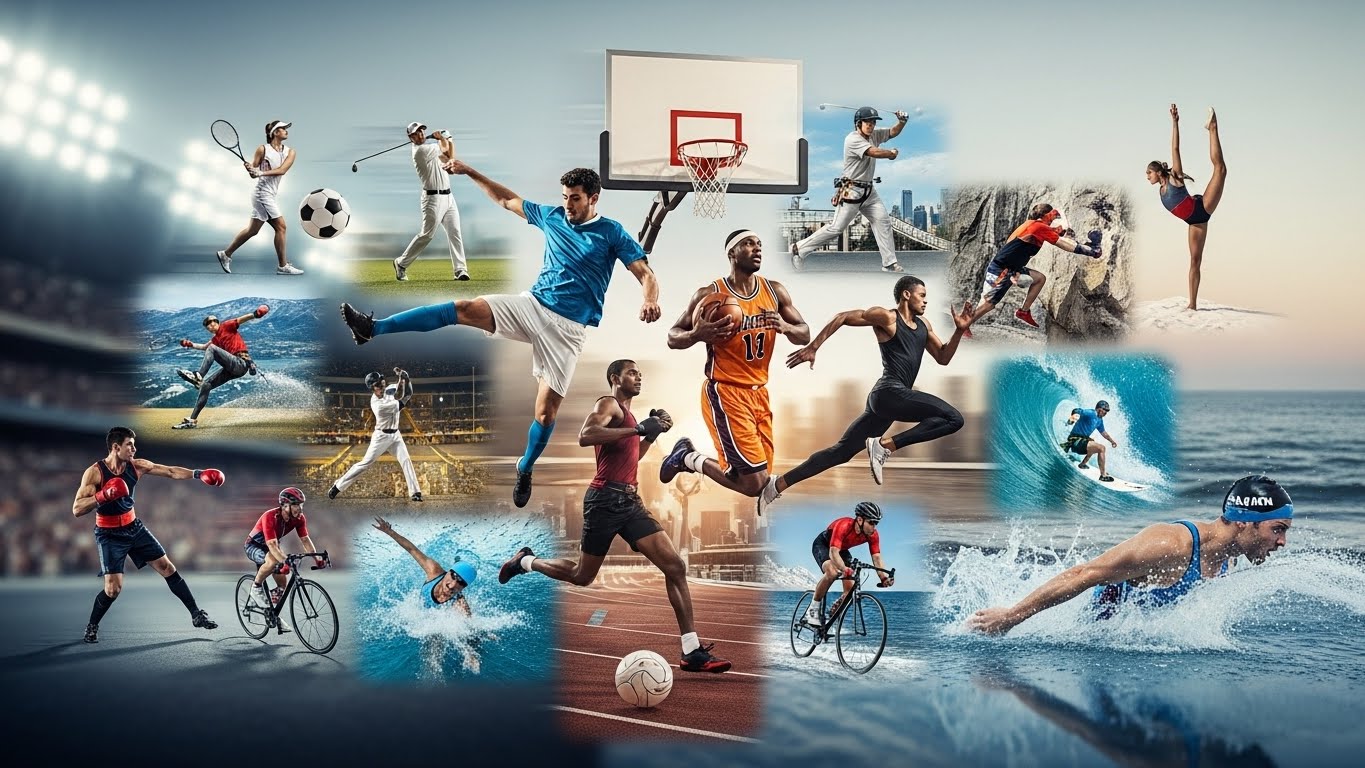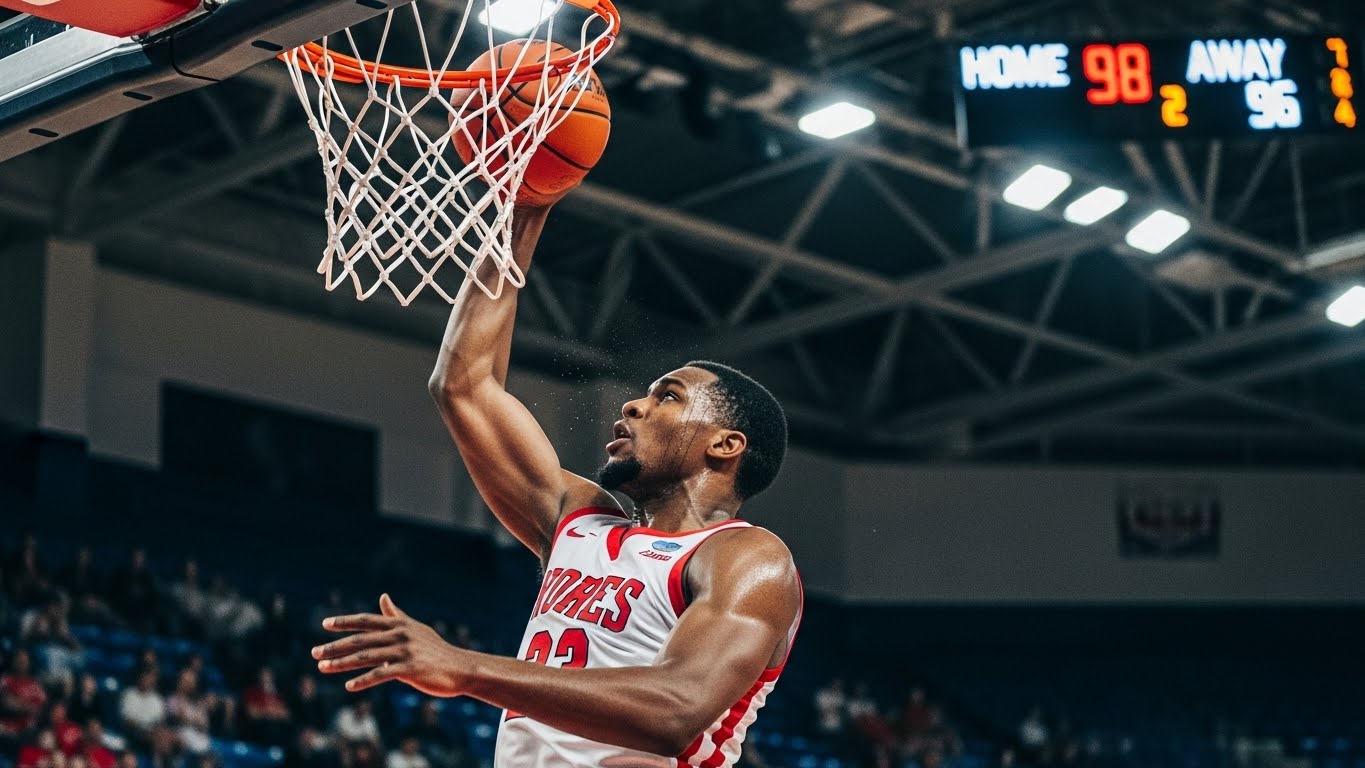
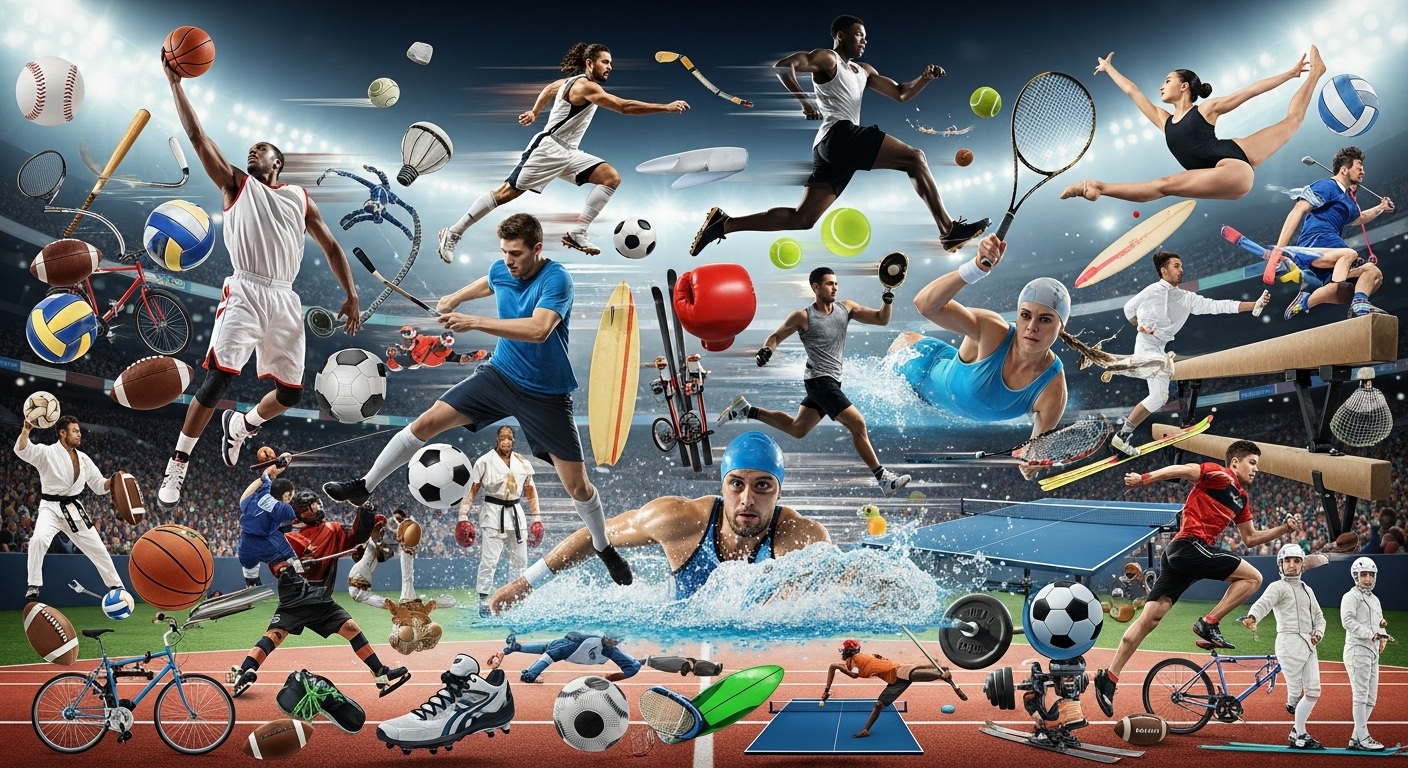
Sports are an integral part of human life, offering a wide range of benefits that extend far beyond the physical aspects of the activity. From improving physical fitness to fostering social connections, sports have a profound impact on individuals and societies alike. They can inspire greatness, instill discipline, and provide a sense of belonging. This blog explores the many ways in which sports play a significant role in our lives, from their health benefits to their impact on culture and the economy.
The Health Benefits of Sports
One of the most obvious reasons people engage in sports is the health benefits they offer. Whether you’re playing a team sport like football, practicing a solo activity such as running, or participating in recreational activities like tennis, the physical advantages of regular participation in sports are immense. Exercise in any form is beneficial for the heart, muscles, and bones, and sports provide an engaging and fun way to stay active. Regular participation in physical activity helps prevent chronic diseases such as heart disease, diabetes, and obesity. It also contributes to mental well-being, reducing stress levels and promoting positive emotions.
Physical activity through sports helps improve cardiovascular health, increasing the efficiency of the heart and lungs. It also strengthens muscles and bones, reducing the risk of osteoporosis later in life. For athletes, muscle tone and coordination become enhanced, while agility and flexibility are improved, making physical activity in sports a comprehensive method for maintaining overall health.
Mental Health Benefits of Sports
While the physical benefits of sports are widely recognized, their mental health benefits are just as important. Exercise triggers the release of endorphins, which are the body’s natural mood boosters. This chemical reaction helps alleviate feelings of anxiety, depression, and stress. Moreover, sports foster an environment of achievement and self-improvement, giving participants a sense of purpose and accomplishment. Whether it’s setting personal records or helping a team win a game, the feelings of success and progress that come with sports contribute to a positive mindset and enhanced self-esteem.
Additionally, sports can teach valuable coping skills. Athletes often face failure, setbacks, and challenges. Learning to navigate these difficulties can make individuals more resilient in other aspects of their lives. The mental toughness that develops in sports often translates into greater confidence and a more optimistic outlook in the face of adversity.
The Social Impact of Sports
Sports are a powerful tool for social interaction. They bring together people from diverse backgrounds, transcending differences in ethnicity, socioeconomic status, and geography. Whether through community-based leagues, school sports, or professional competitions, sports have a unique ability to create shared experiences that foster camaraderie and friendship. Team sports, in particular, emphasize cooperation, communication, and trust. Athletes must work together to achieve a common goal, which helps them form lasting relationships that extend beyond the playing field.
In addition to promoting social connections, sports also offer a platform for individuals to build leadership and teamwork skills. Many athletes, particularly those in competitive team sports, develop a sense of responsibility and accountability to their teammates. Coaches and mentors play an essential role in nurturing these skills, teaching athletes the importance of collaboration and mutual support. These valuable life lessons extend far beyond the sports arena and can influence professional and personal relationships throughout life.
Sports in Education: A Path to Personal Growth
Sports also play a significant role in education. Many schools and universities offer athletic programs that help students develop essential life skills. For instance, time management becomes a critical skill as students balance academic responsibilities with practice schedules and competition. Sports also help foster discipline and focus, as athletes must commit to regular practice and follow strict training regimens to improve their skills. By learning these habits, student-athletes often perform better in their academic pursuits as well.
Moreover, sports provide a valuable outlet for students to express themselves and build confidence. Athletes often discover strengths they never knew they had, such as leadership qualities, the ability to handle pressure, and perseverance in the face of adversity. These personal growth opportunities help students mature and develop into well-rounded individuals. Sports can also be a source of pride for educational institutions, fostering school spirit and encouraging a sense of community and belonging.
Sports as a Career: More than Just Playing
For some, sports become more than just a hobby or extracurricular activity—they turn into a career. Professional athletes in various sports make a living doing what they love, from football and basketball players to tennis stars and soccer icons. The rise of sports sponsorships, advertising deals, and media coverage has elevated athletes to celebrity status, with endorsement deals and sponsorships becoming lucrative sources of income. The career paths of professional athletes go beyond playing on the field. Coaches, sports analysts, commentators, and fitness trainers all play crucial roles in the broader sports industry.
Additionally, sports-related careers extend into fields such as sports management, marketing, event planning, and sports medicine. These careers require a combination of business acumen, interpersonal skills, and industry knowledge. The growing influence of sports has created a global marketplace, with numerous opportunities for those passionate about sports to pursue careers in various sectors of the industry.
The Economic Impact of Sports
Sports also have a significant impact on the economy. Professional sports leagues generate billions of dollars annually through ticket sales, merchandise, media rights, and sponsorships. This economic activity doesn’t just benefit the athletes themselves but also boosts local economies. Major sporting events such as the Super Bowl, the FIFA World Cup, or the Olympic Games provide a massive boost to tourism, creating jobs and bringing in substantial revenue for host cities. Hotels, restaurants, transportation services, and retail businesses all see an increase in activity during major sports events, demonstrating the positive economic ripple effect that sports can generate.
Moreover, sports infrastructure—such as stadiums, arenas, and sports complexes—requires investment and contributes to job creation. These facilities also serve as venues for concerts, community events, and other entertainment activities, making sports-related infrastructure a key driver of local economic development.
Sports as a Tool for Diplomacy and Unity
Beyond economics and health, sports also serve as a tool for diplomacy and international unity. International sporting events like the Olympics, the FIFA World Cup, and the Commonwealth Games bring together countries from around the world in a celebration of athleticism and shared human experience. Sports have the unique ability to transcend political and cultural boundaries, allowing individuals from different nations to connect through a common interest in competition.
The idea of “sports diplomacy” has gained prominence in recent years, where athletes and sporting events are used as a means of fostering relationships between countries. For example, “ping-pong diplomacy” between the United States and China in the 1970s helped thaw relations during the Cold War. Similarly, sporting events can create a platform for peaceful interaction and cultural exchange, as countries showcase their values and traditions while respecting the spirit of competition and mutual respect.
The Role of Technology in Modern Sports
Technology has transformed the sports landscape in numerous ways, enhancing both the way the games are played and how fans engage with them. From advanced data analytics and performance tracking tools to virtual reality (VR) and augmented reality (AR) experiences, technology is constantly reshaping sports. Wearable devices, such as fitness trackers and smart clothing, allow athletes to monitor their physical condition, track performance metrics, and prevent injuries. Coaches and trainers can use this data to optimize training plans and strategies for maximum effectiveness.
On the spectator side, technology has revolutionized the way fans experience sports. High-definition broadcasts, interactive apps, and online streaming platforms have made it easier than ever for fans to follow their favorite teams and athletes from anywhere in the world. VR and AR technologies have taken fan engagement to new heights, offering immersive experiences where fans can feel as if they are at the game, even from the comfort of their homes.
The Future of Sports
As technology continues to evolve, the future of sports looks even more exciting. Innovations in artificial intelligence, wearable tech, and data analytics will enhance athletic performance and provide fans with even more immersive viewing experiences. Esports, or competitive video gaming, is also a growing industry, with millions of fans around the world watching and participating in gaming tournaments. As virtual and augmented reality technologies improve, we may see even more fan interaction opportunities, such as virtual attendance at live events or interactive gaming experiences that blend the physical and digital worlds.
In addition to these technological advancements, there is also a growing movement toward inclusivity in sports. More and more, sports organizations are working to ensure that people of all backgrounds and abilities have access to athletic opportunities. This includes initiatives to encourage female participation in traditionally male-dominated sports, support for athletes with disabilities, and efforts to create more diverse and inclusive sports cultures worldwide.
Conclusion
Sports are much more than just games or entertainment; they are a powerful force that shapes individuals and societies. From their physical and mental health benefits to their economic impact and role in fostering social connections, sports are a driving force in our world. Whether as a participant or a spectator, sports offer something for everyone—opportunities for personal growth, fun, connection, and even professional development. As we look to the future, the continued evolution of sports promises to bring even more excitement, opportunities, and challenges. For now, we can appreciate the many ways in which sports enrich our lives and continue to inspire us to be our best selves.