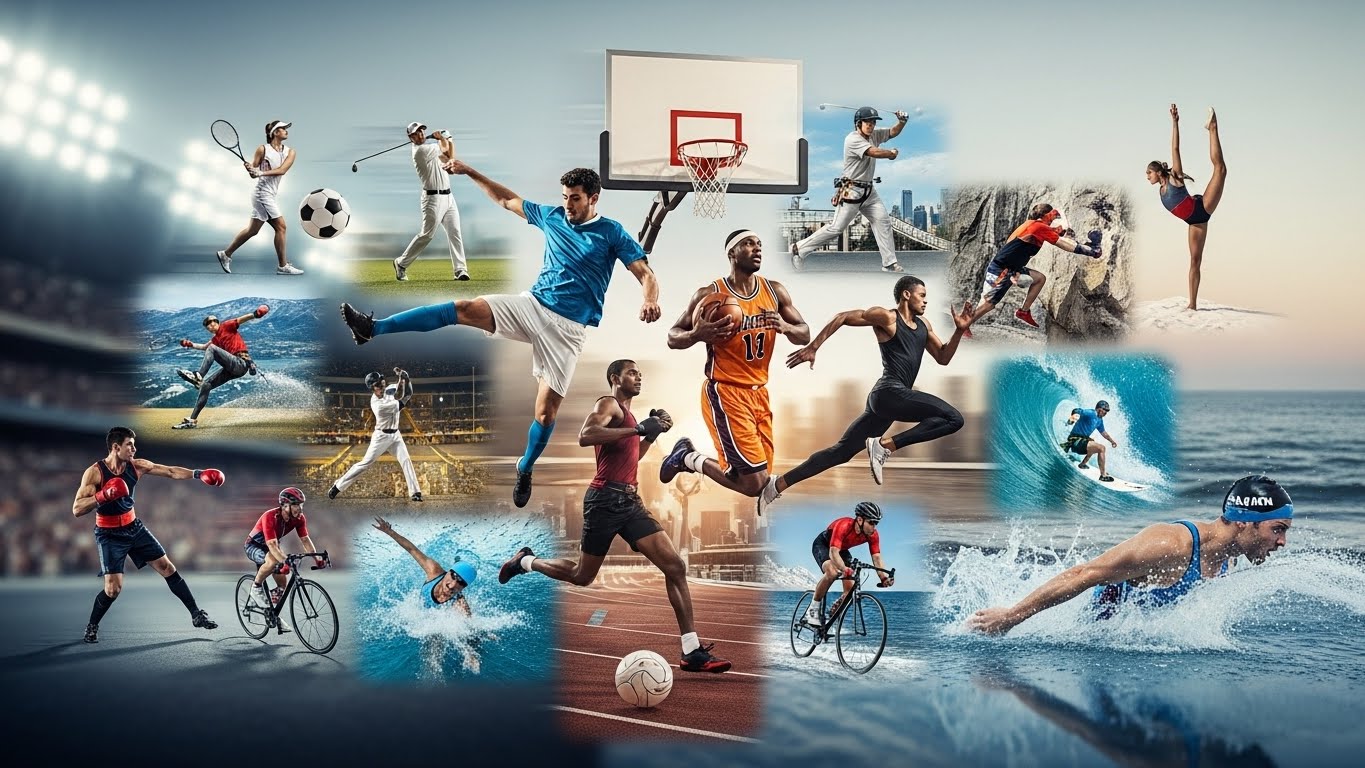

Sports have been a central part of human culture for centuries. From ancient Greece’s Olympic Games to today’s modern professional leagues, sports continue to serve as a medium of entertainment, competition, and personal growth. Their importance goes far beyond the field of play. Sports unite people from different walks of life, create opportunities for social interaction, and serve as an expression of culture and national pride. In this blog post, we will explore the significance of sports in today’s world, the different forms they take, their impact on society, and the challenges they face in the modern era.
The Significance of Sports in Society
Sports play a vital role in shaping societies across the globe. Whether played for recreation or as a professional pursuit, sports offer numerous benefits, ranging from physical fitness to emotional and mental well-being. They serve as a tool for teaching discipline, teamwork, and resilience. But beyond their physical benefits, sports also bring together people of different backgrounds, languages, and cultures, creating an avenue for unity and shared experiences.
Physical and Mental Health Benefits
One of the key reasons sports are so important is the physical health benefits they offer. Regular participation in physical activities such as soccer, basketball, or swimming helps individuals maintain a healthy weight, improve cardiovascular health, and enhance muscular strength. Engaging in sports also boosts flexibility and endurance, while helping reduce the risk of chronic diseases such as diabetes, hypertension, and osteoporosis.
The benefits of sports extend far beyond the body. Engaging in physical activity releases endorphins, often referred to as the “feel-good” hormones. This boosts mood and reduces feelings of anxiety and depression. In fact, many individuals turn to sports as a form of therapy. Whether it’s the endorphins from a hard workout or the social interaction with teammates, sports offer a natural way to alleviate stress and promote mental well-being.
Teaching Discipline, Teamwork, and Leadership
Sports are also crucial in building life skills that are applicable both on and off the field. They teach discipline by requiring athletes to stick to a training regimen, follow a structured schedule, and adhere to rules. In many team sports, athletes learn the importance of working together towards a common goal. They also develop communication and leadership skills as they interact with teammates, coaches, and officials. This teamwork extends beyond sports and influences other areas of life such as the workplace and personal relationships.
Leadership is another important aspect of sports. Whether it’s being a captain of a team or a player who steps up during critical moments, sports teach individuals how to take initiative, motivate others, and make decisions under pressure. These leadership qualities are highly valued in all areas of life, from business to politics, and are often fostered in a sports environment.
The Global Popularity of Sports
Sports transcend borders and bring people together like few other activities. No matter where you are in the world, sports provide a universal language that can unite people, even in the face of political and cultural differences. The love for sports is universal, and its ability to connect people from all corners of the globe is unmatched.
Uniting Nations Through International Competitions
One of the most profound examples of sports bringing nations together can be seen in international sporting events like the Olympics and the FIFA World Cup. These global tournaments unite athletes from all corners of the world to compete in a spirit of friendly competition. The Olympics, for instance, are a celebration of human achievement, where athletes from various countries come together to compete, share their cultures, and support one another.
The FIFA World Cup, held every four years, is another testament to the power of sport in bringing the world together. Millions of fans tune in from all over the world, with countries putting aside differences and rallying behind their national teams. It’s more than just a tournament; it’s a spectacle that represents the joy, passion, and national pride of millions of people.
Sports as a Social Connector
On a more localized scale, sports also serve as a social connector within communities. Local sports leagues, school tournaments, and recreational activities bring together families, friends, and neighbors. It’s an opportunity for individuals to interact, share experiences, and support one another. For many people, playing sports at the community level provides a sense of belonging and purpose, as they bond over a shared love of the game.
Whether it’s watching a local football match or playing in a weekend tennis tournament, these community-level sports offer more than just physical activity. They foster camaraderie, build social networks, and promote inclusivity. At the grassroots level, sports are a way to meet new people and develop long-lasting friendships.
The Evolution of Sports: Traditional to Modern
Over the years, the world of sports has evolved in many ways, influenced by technological advancements, changing societal norms, and new cultural trends. While traditional sports continue to thrive, modern innovations have introduced entirely new sports and altered the way we engage with sports.
Traditional Sports: A Window to Culture and Heritage
Many traditional sports have deep cultural and historical roots. These sports were often created by indigenous communities and passed down through generations. For example, in Japan, sumo wrestling is not just a sport but a tradition that embodies the country’s cultural heritage. Similarly, sports like kabaddi in India, lacrosse in North America, and bullfighting in Spain represent unique aspects of local history and customs.
Traditional sports also serve as an outlet for preserving the identity of a community. For instance, the annual Highland Games in Scotland showcase traditional sports such as caber tossing and tug-of-war, celebrating Scottish heritage. These events not only attract tourists but also bring locals together to celebrate their shared identity.
The Rise of Esports and Emerging Sports
In recent years, we’ve seen the rise of new forms of sports that didn’t exist a few decades ago. Esports, or competitive video gaming, is one of the fastest-growing industries in the world. With major tournaments and leagues drawing millions of viewers online and in-person, esports have become a legitimate part of the sporting landscape. Games like League of Legends, Fortnite, and Counter-Strike have become global phenomena, with professional players earning substantial salaries and sponsorships. Esports are not just limited to video games; they have also created a whole new industry of streaming platforms, merchandise, and fan engagement.
Alongside esports, other new and emerging sports are gaining traction. Extreme sports such as snowboarding, skateboarding, and surfing have become highly popular, especially among younger generations. These sports are often seen as more exhilarating, offering participants a sense of adventure and freedom. The excitement and risk involved in these sports have captured the imaginations of many, and as they continue to grow, they may one day be featured alongside traditional sports in major international events.
Technology’s Influence on Sports
Technology has had a profound impact on sports, from the way games are played to how they are consumed by fans. The development of new equipment has made athletes more efficient, improving performance and safety. For example, advancements in footwear, protective gear, and apparel have enhanced the comfort, speed, and safety of athletes. Similarly, high-tech training tools such as wearable fitness trackers and performance monitoring systems have revolutionized the way athletes train and recover.
In terms of broadcasting, technology has made sports more accessible than ever before. Fans can now watch live games from virtually anywhere in the world, thanks to streaming platforms and social media. The use of virtual reality (VR) and augmented reality (AR) also has the potential to enhance the fan experience by offering more immersive and interactive ways to engage with sports.
Furthermore, technology is playing a significant role in sports analytics. Data-driven approaches are becoming essential for teams and coaches to make informed decisions. Video analysis, player tracking systems, and performance metrics help refine tactics, optimize training, and evaluate player performance.
The Business of Sports
Sports are no longer just about physical activity; they are big business. Professional sports leagues such as the NFL, NBA, and Premier League have become global financial powerhouses, generating billions of dollars in revenue each year. Television rights, ticket sales, sponsorships, and merchandise contribute to the staggering economic impact of sports on a global scale.
The Economics of Professional Sports
The business of professional sports has expanded beyond just the athletes themselves. Major corporations invest heavily in sponsorships and partnerships with teams and athletes. These relationships benefit both parties: athletes receive financial support, while brands gain exposure to millions of fans worldwide. This symbiotic relationship between sports and business is seen across all sports, from Formula 1 racing to tennis, golf, and basketball.
The revenue generated by professional sports is also vital for local economies. Large sporting events such as the Olympics or the Super Bowl can bring millions of dollars into host cities through tourism, local business spending, and job creation. The economic effects of sports reach far beyond the stadium, affecting hotels, restaurants, and transportation services, making sports a key driver of economic growth.
The Role of Sponsorships and Endorsements
One of the most lucrative aspects of the sports industry is sponsorship and endorsement deals. Top athletes often have lucrative endorsement contracts with major brands, sometimes earning more from endorsements than from their actual playing contracts. Companies like Nike, Adidas, and Pepsi have long used athletes as the faces of their products, capitalizing on their global popularity to increase sales and brand recognition.
For example, basketball legend Michael Jordan’s partnership with Nike led to the creation of the Air Jordan brand, which has become one of the most successful and recognizable product lines in sports history. Similarly, tennis superstar Serena Williams has secured deals with brands like Gatorade and Wilson, enhancing her brand and wealth.
The Future of Sports
Sports will continue to evolve in the coming years, driven by changes in technology, societal expectations, and global challenges. One of the key trends shaping the future of sports is inclusivity. Women’s sports, for example, have gained greater visibility and support in recent years, and many expect this to continue. As society becomes more focused on equality, sports will reflect these changes with more opportunities for women, minorities, and people with disabilities to participate at all levels.
Another important factor will be the impact of climate change and sustainability. As concerns about the environment grow, sports organizations and governing bodies are increasingly prioritizing sustainability in their operations. From the construction of eco-friendly stadiums to reducing waste during major sporting events, the sports industry is taking steps to reduce its environmental footprint.
Finally, fan engagement will continue to evolve with the advancement of technology. Virtual reality and augmented reality will provide fans with more immersive experiences, allowing them to feel closer to the action. Esports will continue to rise, attracting younger audiences and redefining the concept of competitive sports. As technology evolves, sports will adapt, and the way we experience and participate in them will be forever changed.
In conclusion, sports are much more than just games played on fields or courts. They represent the spirit of competition, unity, and personal growth. Whether traditional or modern, sports connect us in ways that few other activities can. As the world of sports continues to grow and evolve, it will remain an essential part of our global culture, bringing people together, fostering health and well-being, and providing opportunities for success and joy.