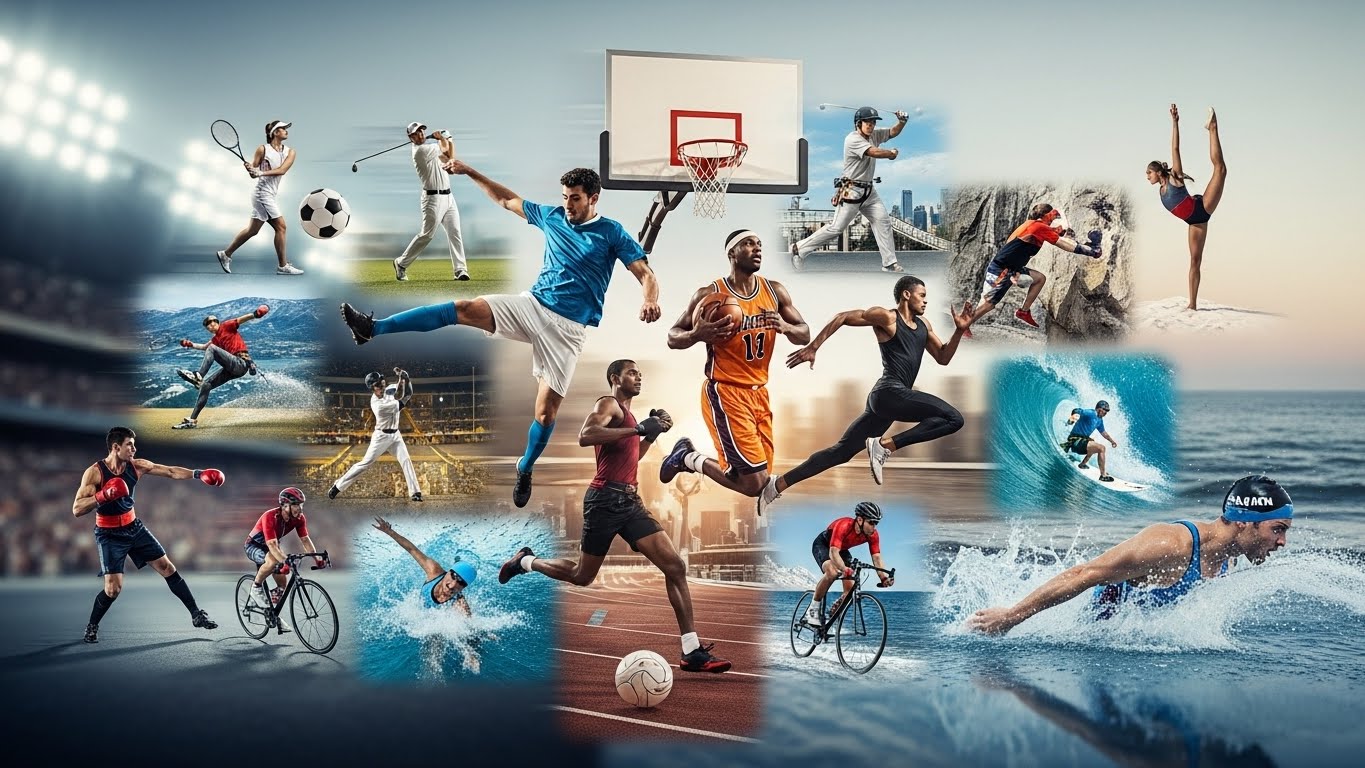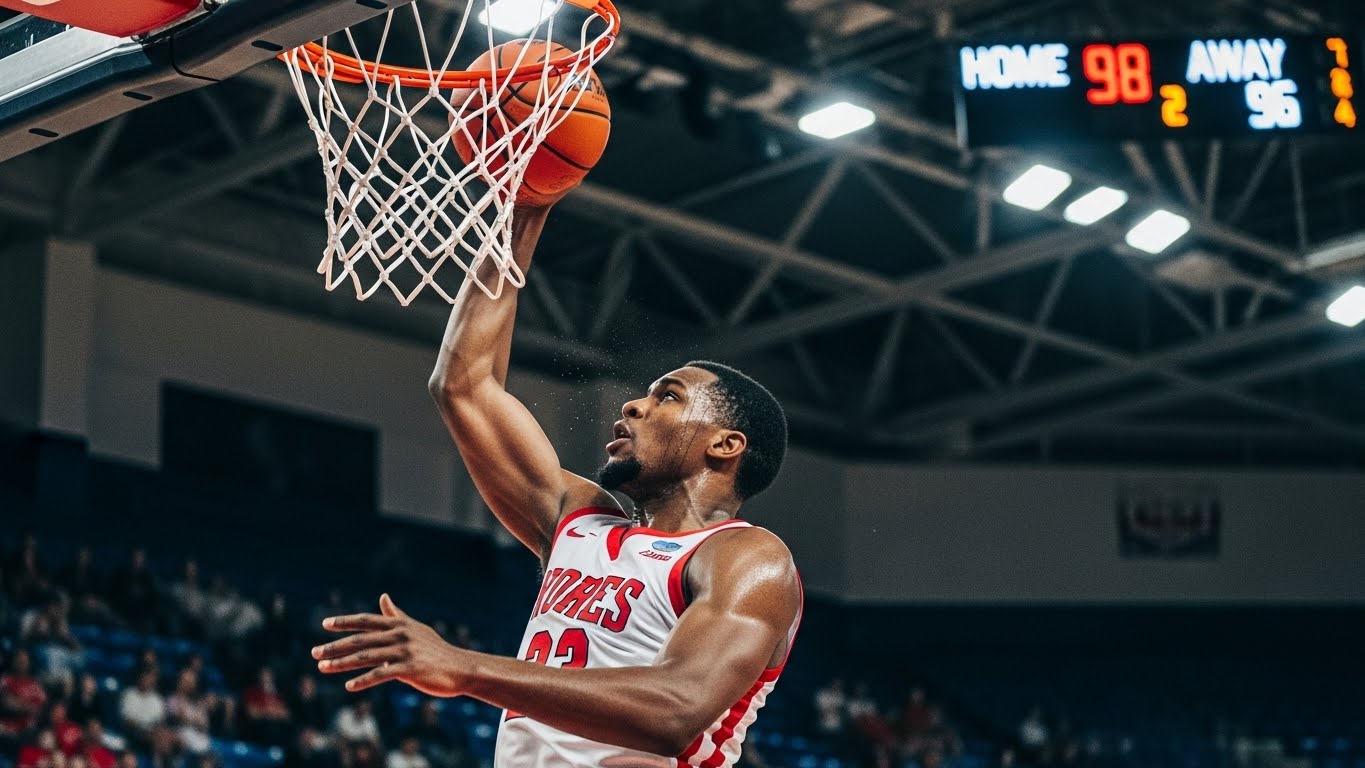
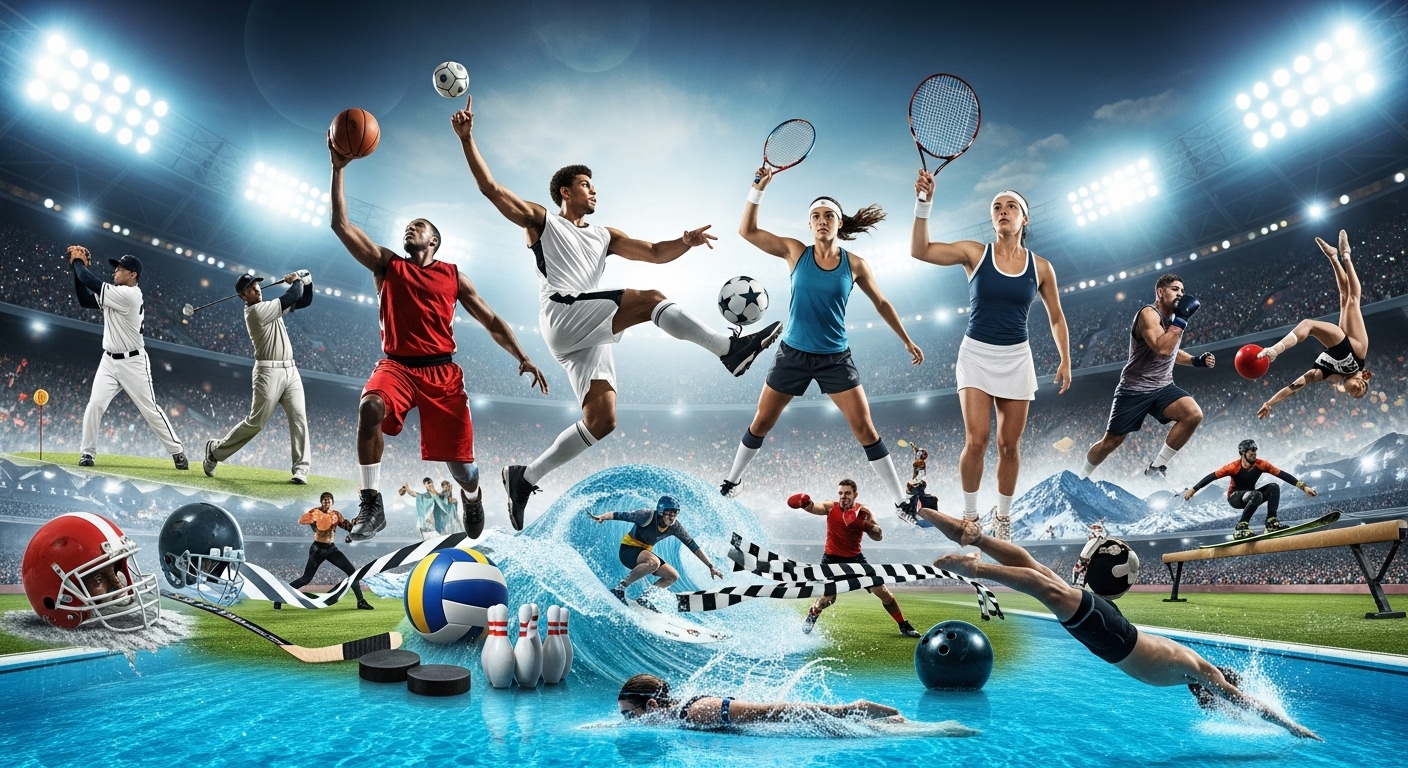
Sports have always been an integral part of human civilization, influencing cultures, societies, and even the course of history. From the ancient Olympic Games to modern-day professional leagues, sports bring together people from diverse backgrounds, creating a universal language of competition, teamwork, and dedication. In this blog post, we will explore the multifaceted world of sports—its history, evolution, impact on society, and the personal lessons it teaches.
The Evolution of Sports: From Ancient Rituals to Global Phenomena
Sports have been around for millennia, with evidence of organized physical competitions dating back to the ancient civilizations of Egypt, Greece, and Mesopotamia. The ancient Greeks, in particular, are often credited with formalizing sports competitions through the Olympic Games, which began in 776 BCE. These games were held in honor of Zeus, the king of the Greek gods, and athletes from across the Greek world gathered to compete in events such as foot races, wrestling, and chariot racing.
As time passed, sports continued to evolve, taking on new forms and diversifying in different cultures. The Romans, for instance, embraced gladiatorial combat and other violent spectacles as a form of entertainment. In medieval Europe, jousting tournaments and archery contests became popular, showcasing both physical prowess and skill.
The modern era of sports, however, began to take shape in the 19th century, with the establishment of organized leagues and competitions across various disciplines. Football (soccer), rugby, cricket, and baseball emerged as key global sports during this period, each creating a unique cultural impact. The formation of the International Olympic Committee in 1896 further solidified the importance of sports as a unifying global force.
The Global Appeal of Sports: A Universal Language
One of the most remarkable aspects of sports is their ability to transcend cultural, linguistic, and geographical boundaries. Whether it’s a local football match in a remote village or the FIFA World Cup final in front of millions of viewers, sports have the power to unite people across the globe. This universal appeal is a testament to the simple yet profound nature of sports—competition and teamwork resonate with people from all walks of life.
Take, for example, the sport of football (soccer). Widely regarded as the world’s most popular sport, football has a fan base that spans continents, cultures, and age groups. From the streets of Rio de Janeiro to the stadiums of Tokyo, people gather to play, watch, and celebrate the beautiful game. The FIFA World Cup, held every four years, attracts billions of viewers, making it one of the most-watched events in the world. The excitement, the passion, and the sense of collective pride that come with supporting one’s country or favorite team illustrate the power of sports to create a shared experience.
Beyond the physical activity itself, sports foster a sense of community and belonging. Fans from different countries and backgrounds can come together in stadiums or online platforms, bonding over their shared love for a team or athlete. This sense of unity is one of the greatest gifts that sports offer to the world.
The Psychological Benefits of Sports: More Than Just Physical Fitness
While the physical benefits of sports are well-known—improved cardiovascular health, strength, endurance, and flexibility—the psychological benefits are just as significant. Sports provide an outlet for stress and anxiety, offering individuals a way to unwind and focus on something positive. Whether it’s through intense training sessions or simply playing for fun, engaging in physical activity has been proven to release endorphins, the body’s natural mood boosters.
Moreover, sports teach valuable life skills that extend beyond the playing field. Discipline, resilience, leadership, and teamwork are just a few of the qualities that athletes develop through their participation in sports. Whether you’re a professional athlete or an amateur player, the lessons learned from both victory and defeat are invaluable. Losing a match, for instance, teaches humility and perseverance, while winning fosters confidence and a sense of accomplishment.
Team sports, in particular, offer unique psychological benefits. Working together towards a common goal fosters collaboration and communication, essential skills in both personal and professional life. Team members learn how to support each other, share responsibilities, and celebrate collective success. These lessons translate into better interpersonal relationships and a stronger sense of social cohesion.
Additionally, sports provide a sense of achievement that enhances self-esteem. Progressing from being a novice to becoming proficient in a sport instills a sense of personal growth. The sense of mastery that comes with developing a skill—whether it’s perfecting a tennis serve or scoring a goal in football—gives individuals a sense of purpose and pride.
The Economic Impact of Sports: A Multi-Billion Dollar Industry
Sports are not only a source of entertainment and personal fulfillment; they also drive significant economic activity. From the salaries of professional athletes to the construction of stadiums and arenas, the sports industry generates billions of dollars globally each year. Major leagues such as the National Football League (NFL), Major League Baseball (MLB), and the English Premier League (EPL) are multi-billion-dollar enterprises, with lucrative broadcasting rights, sponsorships, merchandise sales, and ticket revenues.
The economic impact of sports extends far beyond the players themselves. Cities that host major sporting events such as the Super Bowl or the Olympics often see a surge in tourism, hotel bookings, and local spending. These events create jobs in various sectors, including hospitality, transportation, security, and retail. In fact, the 2022 FIFA World Cup in Qatar generated an estimated $17 billion in economic activity, a testament to the power of sports to stimulate local economies.
Furthermore, sports have become an essential part of branding and advertising. Companies across industries partner with athletes and sports teams to promote their products, capitalizing on the vast global audience that sports attract. From Nike’s iconic endorsement deals with athletes like Michael Jordan to Coca-Cola’s sponsorship of the Olympics, sports have become a prime platform for marketing.
Sports and Social Change: Advocating for Equality and Justice
In recent decades, sports have played a crucial role in raising awareness about social and political issues. Athletes have used their platforms to advocate for equality, human rights, and environmental sustainability. One of the most prominent examples of this is the activism surrounding racial equality.
In the United States, the civil rights movement saw athletes like Muhammad Ali, Jackie Robinson, and Billie Jean King use their visibility to challenge racial segregation and promote justice. Ali’s refusal to fight in the Vietnam War, citing his opposition to racial injustice, made him an international icon of resistance. Similarly, Jackie Robinson’s breaking of the color barrier in Major League Baseball in 1947 was a pivotal moment in the fight for racial equality.
In more recent years, the NFL’s Colin Kaepernick sparked global conversations about racial inequality by kneeling during the national anthem to protest police brutality. Though his actions were met with significant controversy, they sparked widespread protests and led to a broader dialogue about race relations in the U.S.
Women’s sports, too, have become a platform for advocating gender equality. Athletes like Serena Williams, Megan Rapinoe, and Simone Biles have not only excelled in their respective fields but have also spoken out against gender discrimination and inequality in sports. Their advocacy has led to increased recognition of women’s sports and has pushed for fairer treatment, equal pay, and greater visibility.
The intersection of sports and social change continues to evolve, as athletes and fans alike use the power of sport to challenge injustices and demand progress.
The Future of Sports: Technology, Innovation, and Inclusion
Looking forward, the world of sports is poised for exciting developments driven by technological innovation. Virtual reality (VR), augmented reality (AR), and artificial intelligence (AI) are transforming how we experience sports, from immersive fan experiences to data-driven training techniques. Athletes are using cutting-edge technology to analyze their performance, while fans are enjoying more interactive and engaging ways to watch games.
Esports, or competitive video gaming, is one of the fastest-growing sectors in the sports industry. With millions of viewers and professional tournaments offering multi-million-dollar prize pools, esports is redefining the concept of traditional sports. The integration of gaming and traditional sports is likely to continue, creating new opportunities for collaboration and audience engagement.
In terms of inclusivity, there is a growing push for accessibility in sports. Adaptive sports for individuals with disabilities have gained significant traction, with organizations like the Special Olympics offering a platform for athletes with intellectual disabilities to compete. Additionally, there is a concerted effort to make sports more inclusive for women, LGBTQ+ individuals, and other marginalized groups.
As the world becomes more interconnected, sports will continue to evolve, embracing diversity and innovation while preserving the timeless values of competition, teamwork, and personal growth.
Conclusion: The Enduring Power of Sports
Sports have always been more than just games—they are a reflection of the human spirit, capable of inspiring greatness, unity, and social change. From the ancient arenas to modern-day stadiums, sports have provided individuals and communities with a sense of purpose, belonging, and hope. The lessons learned through sports—whether on the playing field or in life—remain invaluable, shaping who we are as individuals and as a society.
As we look to the future, sports will continue to evolve, influenced by technology, culture, and social change. Yet, the essence of sport—the pursuit of excellence, the joy of competition, and the camaraderie of teamwork—will remain as strong as ever, reminding us of the power of sport to bring people together and inspire change.
In the end, sports remind us that it’s not just about winning or losing; it’s about pushing our limits, learning from our experiences, and celebrating the collective human journey. Whether it’s a local game played for fun or an international championship, the world of sports will always be a source of inspiration, excitement, and unity.