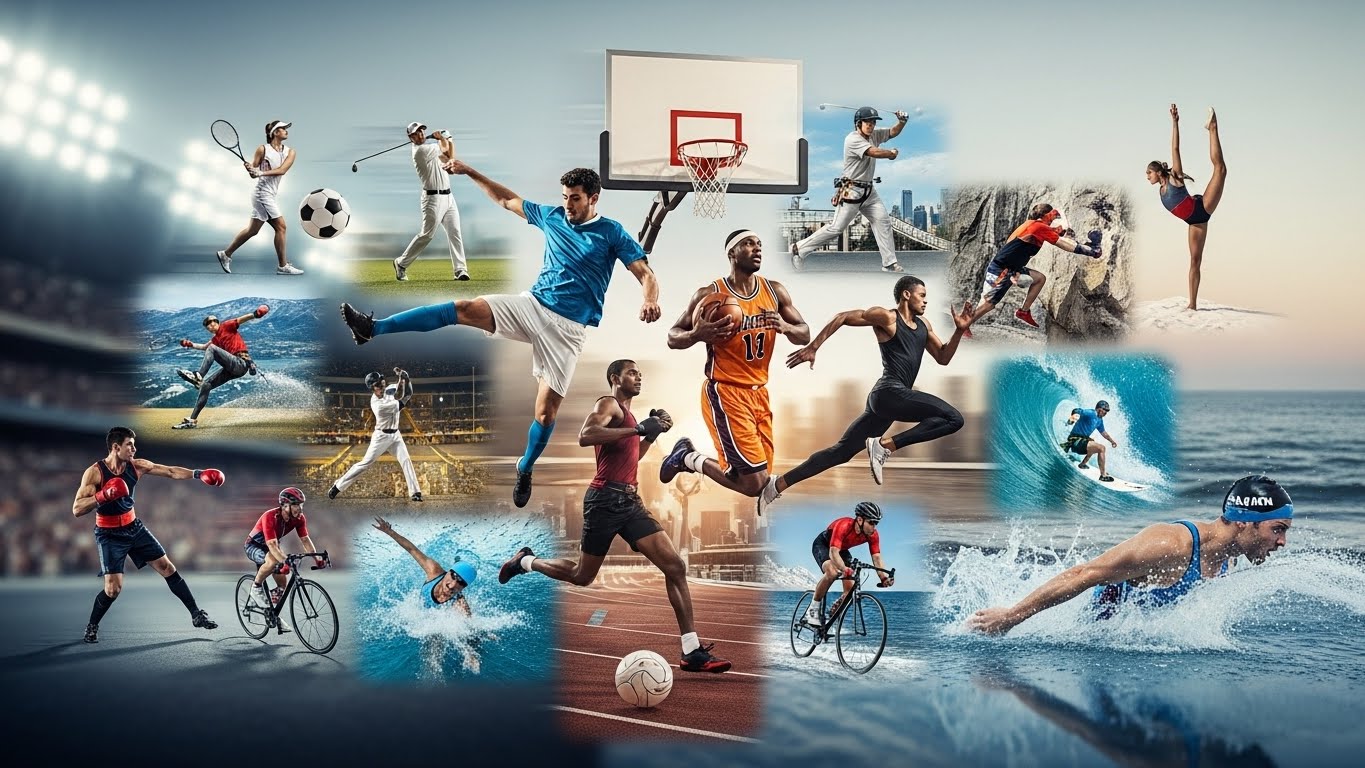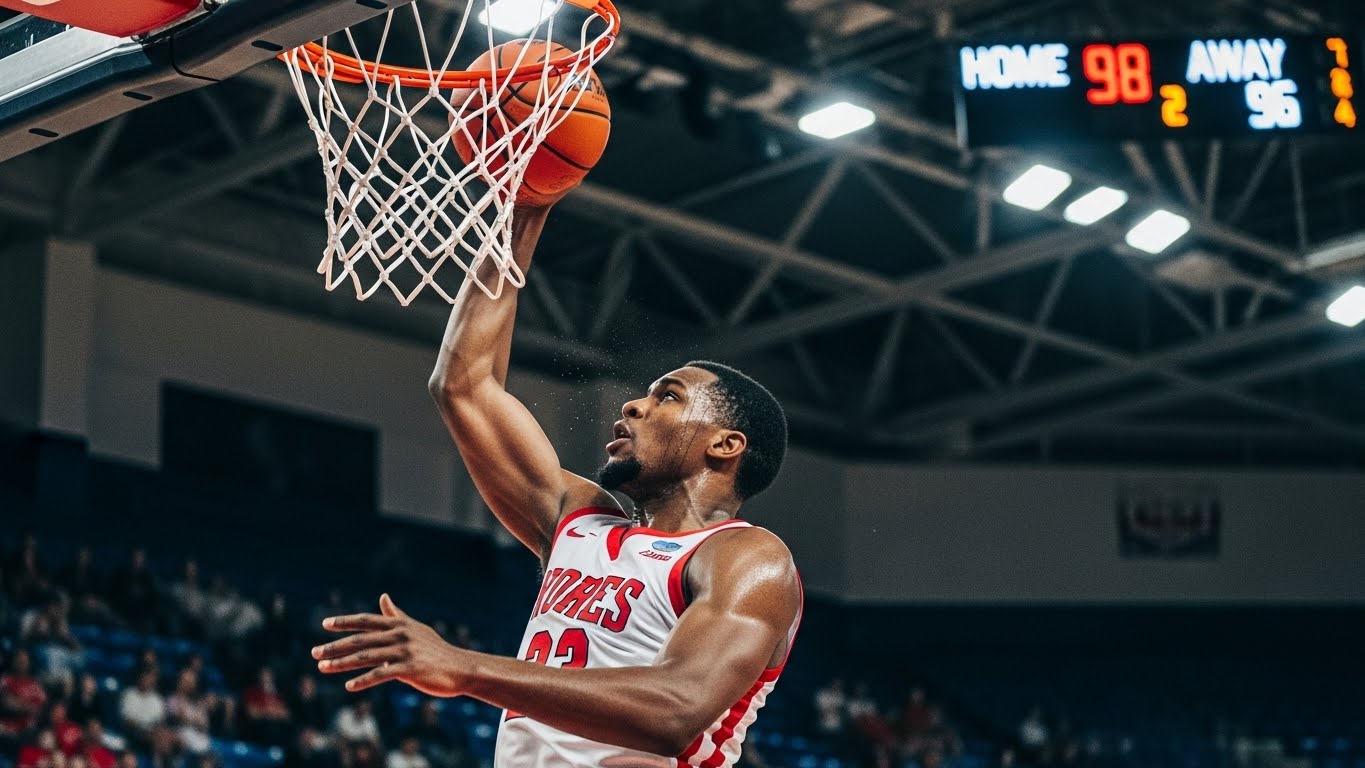

Sports have been an integral part of human civilization for centuries, evolving from primitive forms of physical activity into a global phenomenon that encompasses competition, entertainment, culture, and social cohesion. From the dusty fields of ancient villages to the grand arenas of modern professional leagues, sports play a significant role in shaping societies, fostering teamwork, promoting health, and providing a source of inspiration for millions of people worldwide. This comprehensive blog explores the essence of sports, their history, types, benefits, and their cultural and psychological impact on human life.
The History of Sports
The origins of sports can be traced back to ancient civilizations where physical activities were often intertwined with rituals, survival skills, and military training. In ancient Greece, for instance, sports were not just a pastime but a way to honor the gods and demonstrate physical prowess. The Olympic Games, which began in 776 BC, showcased athletic excellence and became a cornerstone of Greek culture. Events such as running, wrestling, and discus throwing were highly celebrated and reflected the Greek ideal of a sound mind in a sound body.
Similarly, ancient Egypt, Mesopotamia, China, and Mesoamerica had their own forms of sports. In Egypt, wrestling and archery were popular, while in ancient China, activities like archery and martial arts were practiced. Sports often symbolized power, skill, and discipline, reflecting the values of the societies in which they developed. Over time, these early forms of sports evolved, and by the 19th and 20th centuries, organized sports with formal rules, leagues, and international competitions began to emerge, shaping the modern sports culture we know today.
Types of Sports
Sports can be broadly categorized into various types based on their nature, rules, and physical demands. Understanding these types provides a better appreciation of the diversity and complexity of athletic activities.
1. Team Sports
Team sports involve groups of players working together toward a common objective, often competing against another team. Cooperation, strategy, and communication are critical for success. Popular examples include football, basketball, cricket, rugby, and volleyball. Team sports not only test individual skills but also emphasize the importance of collaboration and collective effort.
2. Individual Sports
Individual sports focus on personal performance, discipline, and self-motivation. Athletes compete against themselves or others, relying heavily on skill, endurance, and mental strength. Examples include tennis, athletics, swimming, gymnastics, and martial arts. Individual sports often cultivate personal resilience and accountability since success largely depends on the athlete’s dedication and performance.
3. Adventure and Extreme Sports
Adventure and extreme sports are characterized by high risk, adrenaline-inducing experiences, and often an element of danger. These sports attract thrill-seekers and adventure enthusiasts. Examples include rock climbing, skydiving, surfing, snowboarding, and bungee jumping. Apart from physical challenges, extreme sports demand mental fortitude, risk assessment, and courage.
4. Combat Sports
Combat sports involve direct physical confrontation between athletes, emphasizing strength, technique, and strategy. These sports are rooted in self-defense and martial traditions. Boxing, judo, wrestling, taekwondo, and mixed martial arts are well-known examples. Combat sports teach discipline, control, and respect, as well as physical and mental endurance.
5. Recreational Sports
Recreational sports are primarily for fun, fitness, and social interaction rather than competitive achievement. These activities help individuals maintain physical health and reduce stress. Examples include badminton, cycling, swimming, hiking, and golf. While often less intense than competitive sports, recreational sports contribute significantly to overall well-being.
Benefits of Sports
Sports offer a multitude of physical, mental, and social benefits that contribute to holistic human development. Their impact goes beyond mere entertainment and competition.
Physical Benefits
Engaging in sports enhances overall physical health. It improves cardiovascular endurance, muscle strength, flexibility, and coordination. Regular participation in sports also helps in maintaining a healthy weight, boosting immunity, and reducing the risk of chronic diseases such as diabetes, hypertension, and obesity. Moreover, sports improve bone density, balance, and agility, contributing to a better quality of life across all ages.
Mental Benefits
Sports have a profound impact on mental well-being. Physical activity stimulates the release of endorphins, chemicals in the brain that act as natural mood lifters. Sports participation can reduce stress, anxiety, and depression while enhancing focus, memory, and cognitive function. They also teach essential life skills such as patience, perseverance, problem-solving, and the ability to handle both success and failure with grace.
Social Benefits
Sports foster social interaction and community building. Team sports, in particular, cultivate a sense of belonging, cooperation, and communication. Sporting events, whether local or international, bring people together, transcending cultural, racial, and socioeconomic boundaries. Fans, players, and organizers collectively experience the joy, tension, and celebration associated with sports, creating shared memories and social cohesion.
Character Building
Sports instill discipline, responsibility, and ethical values. Athletes learn to set goals, work hard, and respect rules and opponents. The experiences of winning and losing teach humility, resilience, and determination. For young people, sports can be a powerful tool for character development, nurturing leadership qualities, confidence, and a strong work ethic.
Popular Sports Around the World
While sports vary widely across cultures, certain games have achieved global recognition due to their widespread popularity and influence.
Football (Soccer)
Football is the most popular sport in the world, played and watched by millions across continents. It is simple to play yet highly strategic, requiring teamwork, skill, and endurance. Football has a unique ability to unite people, transcending linguistic and cultural barriers.
Basketball
Basketball is a fast-paced, high-scoring game that demands agility, coordination, and quick decision-making. With its global leagues and international tournaments, basketball has become a symbol of athleticism and entertainment worldwide.
Cricket
Cricket is particularly popular in countries like India, Australia, England, and Pakistan. The sport combines patience, strategy, and precision, offering both long-format and short-format games that appeal to diverse audiences.
Tennis
Tennis is a globally recognized individual sport that emphasizes skill, stamina, and mental toughness. Iconic tournaments like Wimbledon and the US Open showcase elite athletic performance and captivate audiences worldwide.
Athletics
Athletics, including running, jumping, and throwing events, represents the purest form of human physical capability. Track and field events are central to the Olympic Games, highlighting speed, strength, and endurance.
The Role of Sports in Society
Sports are more than just games; they are a cultural, social, and economic force. They influence societal values, national pride, and even politics.
Cultural Significance
Sports reflect and shape cultural identity. Traditional sports often carry historical and regional significance, preserving customs and traditions. Modern sports, meanwhile, provide a shared cultural experience that transcends borders, fostering global connectivity and mutual understanding.
Economic Impact
The sports industry contributes significantly to the global economy. Professional leagues, sponsorships, merchandising, broadcasting, and sports tourism generate billions of dollars annually. Sports also create employment opportunities, from coaching and management to marketing and event planning.
Education and Youth Development
Sports play a crucial role in education by promoting physical activity, teamwork, and leadership skills. Schools and universities encourage participation in sports to cultivate discipline, resilience, and time management. Young athletes often learn to balance academic pursuits with athletic commitments, preparing them for future challenges.
Diplomacy and Unity
Sports have the power to bridge political and social divides. International sporting events like the Olympics and World Cup serve as platforms for diplomacy and global unity. They celebrate human achievement while promoting mutual respect and peaceful competition.
Technology and Sports
Technology has revolutionized the way sports are played, analyzed, and consumed. Advanced training equipment, performance tracking systems, and video analysis tools help athletes optimize their skills. Wearable devices monitor heart rate, calories burned, and movement patterns, enabling precise performance improvement.
Moreover, broadcasting technology, social media, and digital platforms have transformed fan engagement. Fans can now follow live events, interact with players, and access in-depth statistics, enhancing the overall sports experience.
Challenges in Sports
Despite the benefits and global appeal of sports, several challenges persist, affecting athletes, organizations, and fans alike.
Doping and Cheating
The use of performance-enhancing drugs and unethical practices undermines fair competition. Doping scandals in various sports have highlighted the need for strict regulations and ethical enforcement.
Injuries
Sports injuries, ranging from minor sprains to career-ending conditions, are a major concern. Proper training, protective gear, and medical support are essential to prevent and manage injuries effectively.
Commercialization
While commercialization brings economic benefits, excessive focus on profits can compromise the integrity of sports. Sponsorship pressures, media influence, and financial incentives sometimes overshadow the spirit of fair play and athlete welfare.
Accessibility
Not everyone has equal access to sports facilities, coaching, and opportunities. Socioeconomic disparities, gender biases, and regional limitations often restrict participation, preventing talented individuals from realizing their full potential.
The Future of Sports
The future of sports is promising, with continuous advancements in technology, training methods, and global connectivity. Virtual reality and augmented reality may redefine fan experiences, while artificial intelligence could optimize athlete performance and strategy. Additionally, the growing awareness of mental health and inclusivity is shaping a more holistic approach to sports.
Sustainability will also play a key role, with eco-friendly stadiums, reduced carbon footprints, and responsible event management becoming increasingly important. As sports continue to evolve, they will maintain their core purpose: fostering human excellence, unity, and enjoyment.
Conclusion
Sports are an essential part of human life, encompassing physical activity, competition, culture, and social engagement. They enhance physical health, mental well-being, and social interaction while promoting character development, discipline, and resilience. From ancient rituals to modern professional leagues, sports have evolved into a global phenomenon that transcends borders and unites people across diverse backgrounds.
Whether you are an athlete, a fan, or a casual participant, sports offer countless opportunities for growth, enjoyment, and inspiration. They remind us of the limitless potential of human beings, the importance of teamwork, and the joy of shared experiences. In every sprint, goal, or victory, sports celebrate the enduring spirit of humanity and the pursuit of excellence.