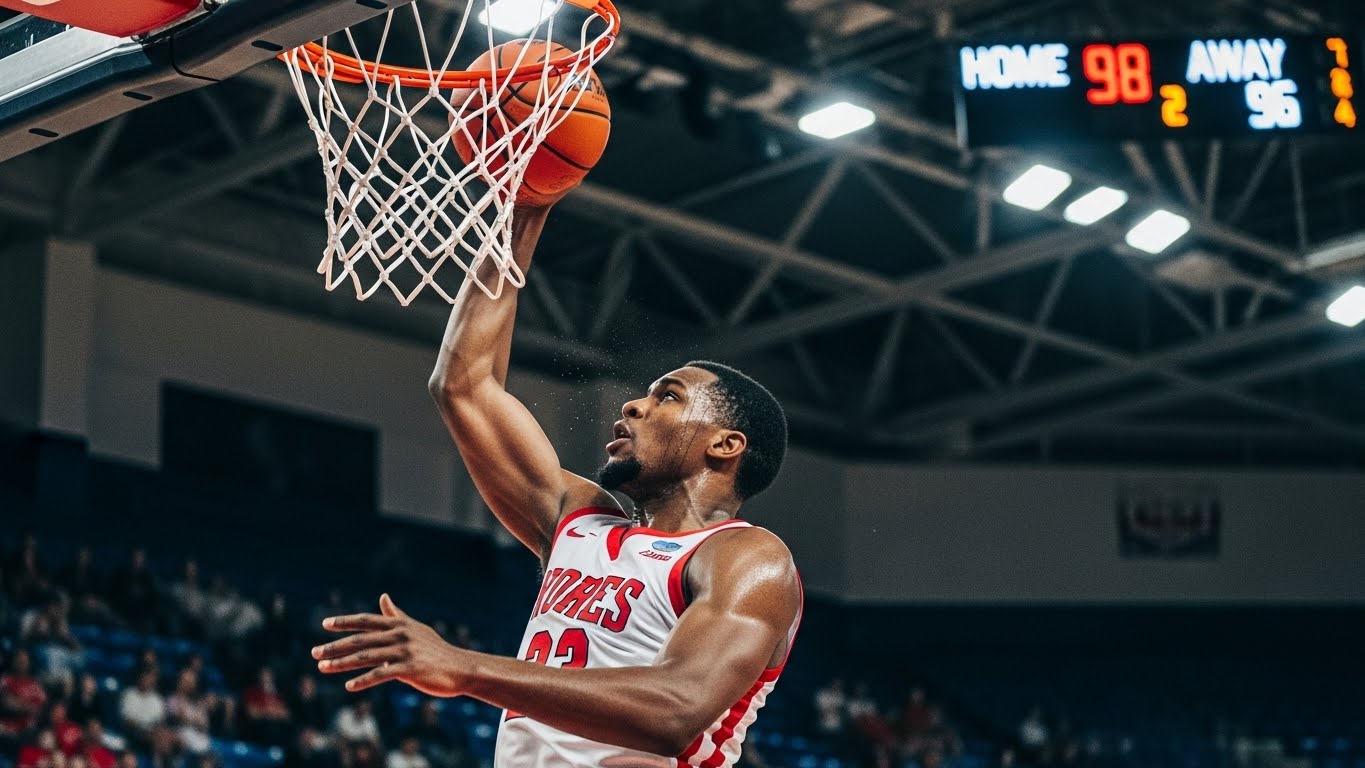

Sports have long been an integral part of human culture, offering not just entertainment but also a sense of community and competition. From the ancient Olympic Games to modern-day esports, the sports world has evolved in ways unimaginable just a few decades ago. While some aspects of sports remain rooted in tradition, there has been an undeniable shift toward innovation. This blog explores how the sports industry is balancing the old with the new and what the future holds for athletes, fans, and the business of sports.
The Roots of Tradition
At the core of every sport lies a tradition, an essence that ties players and fans to the past. Whether it’s the historic Wimbledon tennis tournament or the Olympic Games, these events have deep cultural significance. For many, they are a time-honored part of family gatherings and celebrations. The rituals, the unspoken rules, the atmosphere—these elements help maintain a sense of continuity with previous generations.
For athletes, these traditions offer a connection to the legends that came before them. From the adrenaline-pumping roar of the crowd in a football stadium to the painstakingly precise movements of a gymnast, the history of sports carries a profound sense of pride and accomplishment.
Yet, as sports become more commercialized and technologically advanced, some traditional aspects are evolving, raising questions about whether innovation is overshadowing time-honored values.
The Rise of Technology in Sports
One of the most significant changes in the sports world is the role of technology. Innovations such as instant replay, advanced analytics, and wearable tech are reshaping how sports are played, coached, and consumed.
Data-Driven Sports
In modern sports, data has become an invaluable resource. Coaches and analysts use data to assess everything from player performance to team strategy. The world of professional basketball, for instance, has embraced “advanced stats” to analyze player efficiency, shot selection, and defensive prowess. Football uses analytics for optimal game strategy and even injury prevention.
Athletes themselves are increasingly using wearable devices to monitor health metrics like heart rate, sleep patterns, and muscle recovery. This personalized data helps enhance performance and reduce the risk of injuries.
Virtual Reality and Augmented Reality
Virtual reality (VR) and augmented reality (AR) are also playing pivotal roles in sports training. VR allows athletes to simulate real-game scenarios in a controlled environment, helping them sharpen their skills and strategies without risking physical injury. AR, on the other hand, has been used to enhance fan experiences, creating interactive and immersive game-day environments.
Esports: The New Frontier
Another significant shift in the sports industry is the rise of esports. While traditional sports have always relied on physical prowess, esports have opened up a new avenue for competition. These digital games, from “League of Legends” to “Fortnite,” have attracted millions of viewers, with professional gamers earning lucrative contracts and sponsorship deals. Esports events now fill arenas and are broadcast globally, drawing a new generation of fans who might not traditionally be interested in physical sports.
Esports, while different from traditional sports, shares many similarities—competition, strategy, and community. But unlike traditional sports, esports is not constrained by physical limitations. A person of any age or physical condition can participate, making it more inclusive than ever before.
The Business of Sports: From Sponsorships to Streaming
The sports industry is no longer just about games on the field—it’s a global business with enormous economic power. Sponsorships, endorsements, media rights, and merchandising have turned sports into a multi-billion-dollar industry.
The advent of streaming platforms like Netflix, Amazon Prime, and DAZN has also changed how fans consume sports. Traditional TV broadcasts are no longer the only way to follow a game. Fans now have the ability to watch games from anywhere in the world, on any device. This flexibility has made sports more accessible to a global audience, breaking down barriers related to time zones, geography, and even language.
The Future of Sports: Sustainability and Inclusion
Looking ahead, the future of sports will likely focus on two key themes: sustainability and inclusion.
Sustainability
As the world faces growing environmental challenges, sports leagues and organizations are beginning to take steps toward sustainability. Many stadiums are adopting green practices, such as energy-efficient lighting, waste reduction programs, and water conservation initiatives. Furthermore, athletes are using their platforms to raise awareness about climate change and other global issues.
The International Olympic Committee (IOC) has pledged to reduce the carbon footprint of the Olympic Games, and major leagues like the NFL and NBA are exploring eco-friendly solutions for event production.
Inclusion
Sports are a powerful force for unity, and as societies grow more diverse, inclusivity has become a priority. Women’s sports, in particular, are gaining momentum, with female athletes demanding equal pay, media coverage, and opportunities. LGBTQ+ athletes are also more visible than ever, breaking down stereotypes and advocating for equality in the world of sports.
At the grassroots level, adaptive sports have also seen growth, allowing athletes with disabilities to compete and showcase their talents. Inclusion and diversity are not just buzzwords—they are becoming integral to the future of sports.
Conclusion
The landscape of sports is constantly changing, driven by advancements in technology, shifts in societal values, and evolving business models. While the essence of sports will always lie in competition, tradition, and camaraderie, the industry is embracing innovation in ways that will shape its future for years to come.
From data analytics to esports, from green initiatives to gender equality, the sports world is a microcosm of the broader changes happening in society. The challenge for the future will be to maintain the spirit of sport while ensuring that innovation serves to elevate rather than dilute the experience. Whether you’re an athlete, a fan, or a casual observer, one thing is clear—the game is changing, and it’s an exciting time to be a part of it.