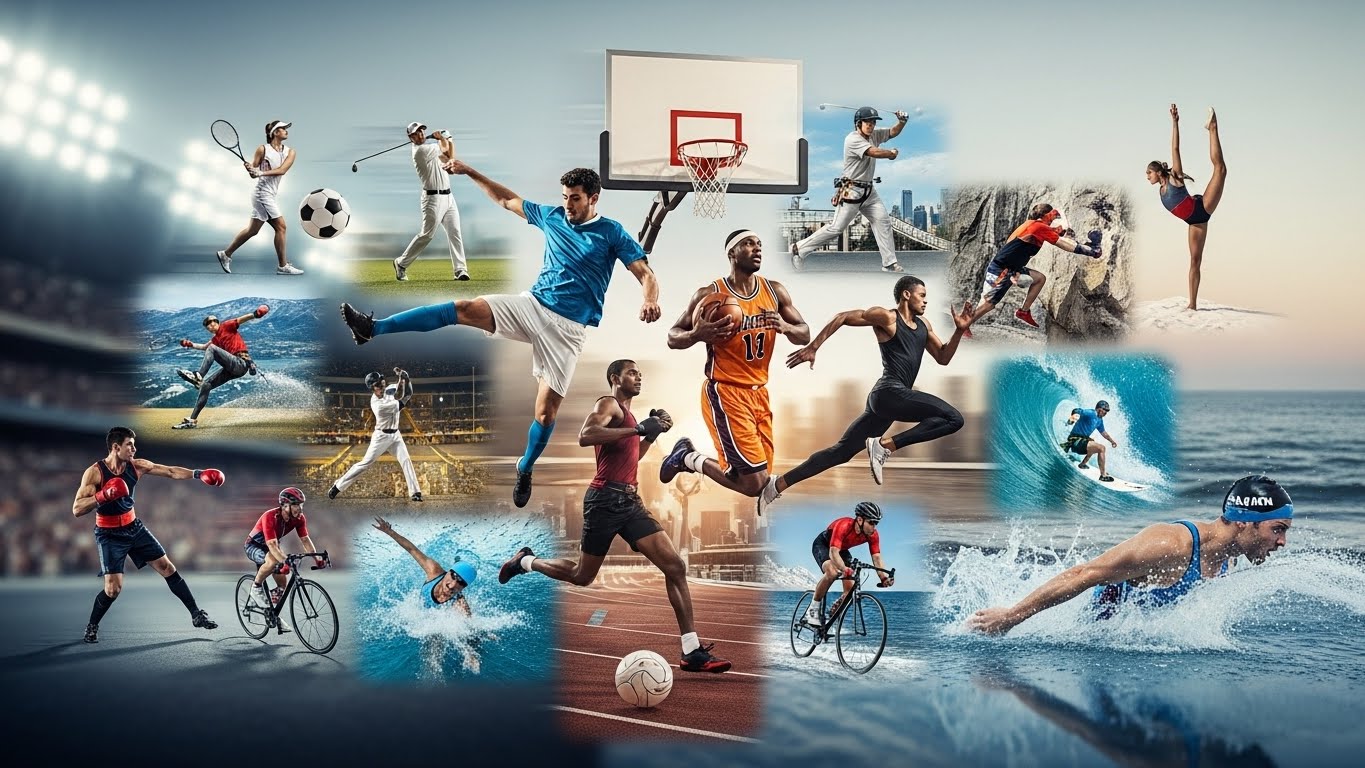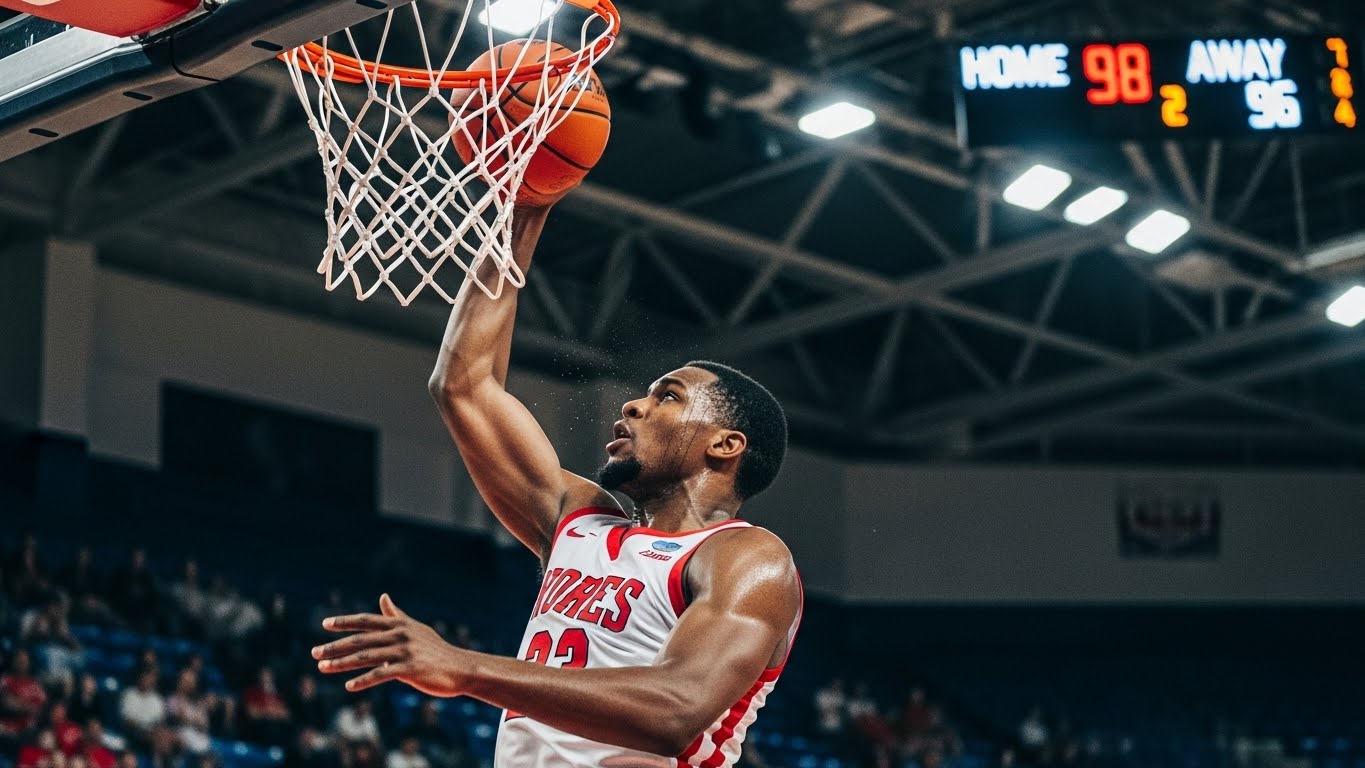
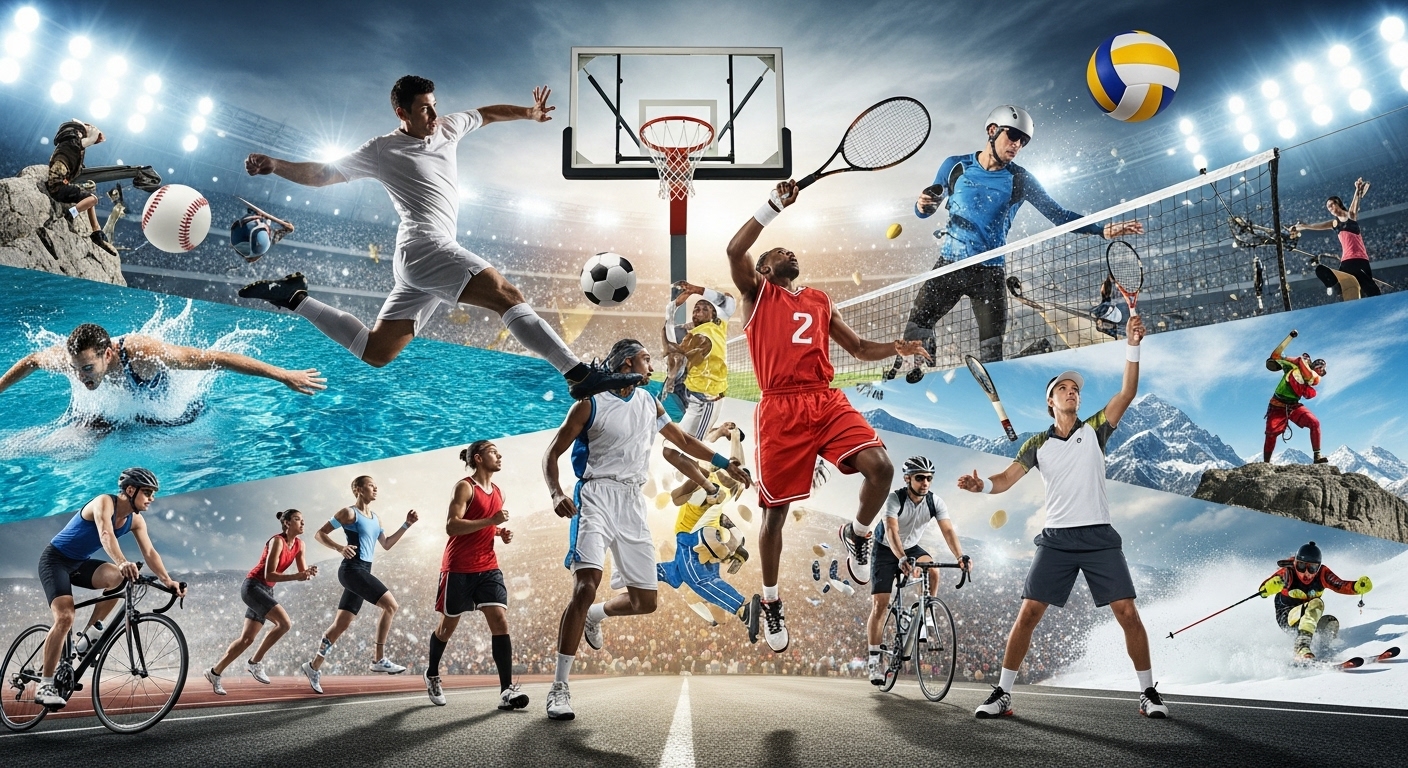
Sports have an undeniable magic that stretches far beyond the playing field. From the exhilaration of a last-minute goal to the discipline required for athletic training, sports shape individuals and cultures in profound ways. They teach us more than just how to win; they teach us how to face failure, how to work as a team, and how to push our limits. In this blog, we’ll explore why sports matter in our lives and why they are much more than just a pastime.
Sports as a Global Language
One of the most striking features of sports is their universal appeal. Regardless of where you are from, the basic principles of sport – competition, teamwork, and physical skill – are understood worldwide. Sports have the power to break down language barriers and bring together people from diverse backgrounds. A football match in Brazil, a cricket game in India, or a rugby tournament in New Zealand are all united by one thing: the love for the game. Sports foster global unity in ways few other activities can.
While the specifics of the games may vary, the thrill of competition remains constant. In a world often divided by political, social, or economic differences, sports serve as a unifying force. Fans cheer together, communities rally around their teams, and athletes represent not just their countries, but the hopes and dreams of millions of people.
Physical and Mental Benefits of Sports
Beyond the global excitement, sports offer significant physical and mental benefits to those who participate. On a physical level, sports help improve cardiovascular health, build muscle strength, enhance flexibility, and boost coordination. Whether it’s swimming, running, or playing basketball, every sport engages different muscle groups, contributing to a well-rounded and healthy body.
However, the benefits aren’t just physical. Sports also have a profound impact on mental health. Engaging in physical activity releases endorphins, which are known as the body’s “feel-good” hormones. These chemicals help reduce stress, combat anxiety, and elevate mood. Moreover, sports can provide a sense of escape, allowing participants to focus on the game and momentarily forget the stresses of everyday life.
The Role of Sports in Character Building
Sports are a powerful tool for character development. From an early age, children who participate in sports learn key life skills such as discipline, perseverance, and time management. The structure and routines required to train and compete in sports teach individuals the importance of setting goals and working hard to achieve them. In this sense, sports provide a framework for developing habits that can translate to success in other areas of life.
One of the most important lessons learned through sports is how to handle failure. No athlete, no matter how successful, is immune to losses and setbacks. Sports teach us how to deal with defeat, learn from mistakes, and bounce back stronger. The resilience built through sports helps individuals face challenges both on and off the field with greater confidence.
The Social Impact of Sports
On a broader scale, sports have the power to shape communities and foster social connections. Local sports clubs and teams serve as gathering points for individuals, creating a sense of belonging and shared purpose. Whether it’s cheering for a local team, volunteering as a coach, or simply watching a game, sports strengthen social bonds.
At the professional level, sports can bring entire nations together. Major events such as the Olympics, the World Cup, or the Super Bowl have the ability to unite people in collective celebration. They inspire pride, loyalty, and passion in fans who come together to support their teams. The shared experience of victory or defeat in these global events reinforces the sense of community and national identity.
Sports as a Gateway to Life Skills
Through teamwork, sports teach collaboration and effective communication. Athletes learn to work towards a common goal, support their teammates, and trust in others’ abilities. This cooperative spirit extends far beyond the field of play and is essential in everyday life. Whether working in a corporate setting, participating in a group project, or simply interacting with others, the lessons of teamwork are invaluable.
Leadership skills are also honed through sports. In team sports, captains often take charge, motivating their teammates and making key decisions during critical moments. The ability to lead, inspire, and manage conflict is a valuable skill set that can be applied in numerous areas of life.
The Inspiration and Joy of Watching Sports
Even for those who don’t participate in sports themselves, the joy of watching others compete is undeniable. Sports bring a sense of excitement and drama that few other forms of entertainment can match. From the underdog team pulling off a surprise victory to the sheer artistry of a world-class athlete’s performance, sports provide a rollercoaster of emotions that captivate audiences.
For fans, watching their favorite teams or athletes achieve greatness can be deeply inspiring. It serves as a reminder that with hard work, dedication, and perseverance, anything is possible. Athletes become symbols of hope and aspiration, proving that greatness is attainable through relentless pursuit.
The Enduring Legacy of Sports
Sports have been a part of human civilization for centuries, and their importance is unlikely to diminish anytime soon. They evolve with time, adapting to new technologies, fan bases, and cultural trends. Yet, the core essence of sports – the competition, the teamwork, and the pursuit of excellence – remains unchanged.
The impact of sports on our lives is far-reaching. They shape our values, influence our communities, and inspire us to be better versions of ourselves. Whether you’re an athlete, a coach, or a fan, the world of sports offers something for everyone. The next time you watch a game or lace up your sneakers for a match, remember that you’re participating in something bigger than yourself, something that has the power to bring joy, teach life lessons, and unite us all.