
Introduction
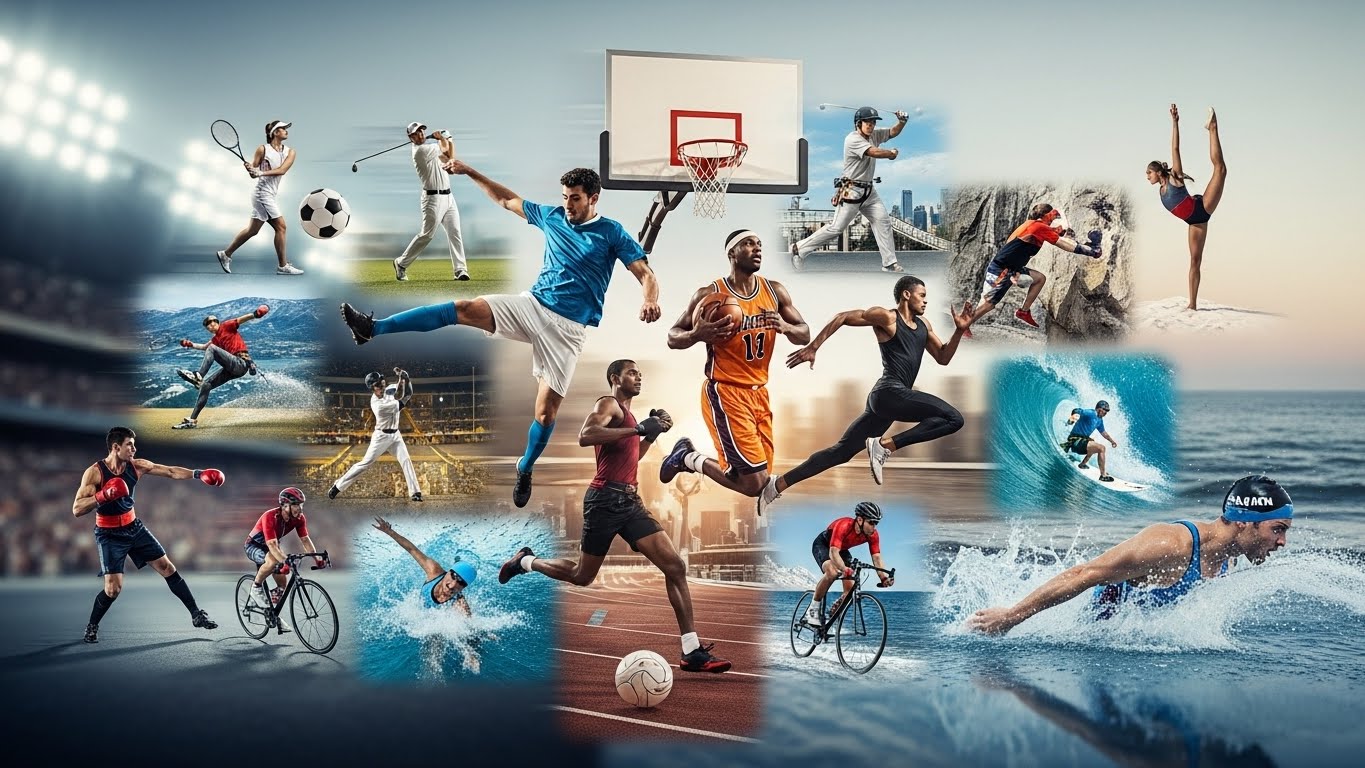
Sports have always been more than just physical contests or sources of entertainment. They are deeply woven into the fabric of human civilization, reflecting our social structures, values, and aspirations. From the ancient Olympic Games in Greece to the grand spectacles of modern tournaments such as the FIFA World Cup and the Olympic Games, sports have continuously evolved, influencing societies in countless ways.
Over time, sports have transitioned from tribal rituals and displays of strength to billion-dollar industries that connect the world through competition, passion, and unity. Whether it’s a local community game or an international championship, sports embody human ambition, teamwork, and resilience.
In this blog, we will explore the evolution of sports from their early beginnings to their role in modern society, their influence on culture and economy, their relationship with technology, and their impact on health, politics, and identity.
The Ancient Origins of Sports
The history of sports can be traced back thousands of years. Archaeological findings reveal that physical competitions were a part of ancient civilizations such as Egypt, Mesopotamia, China, and Greece. In these early societies, sports served religious, social, and military purposes.
In ancient Egypt, tomb paintings depict scenes of wrestling, archery, and swimming, suggesting that sports were both recreational and ceremonial. Similarly, in China, activities like gymnastics and martial arts emerged as a way to promote physical fitness and discipline among soldiers.
However, it was in ancient Greece that sports gained their iconic status. The Greeks believed that a strong body reflected a strong mind, and athleticism became a vital aspect of education and culture. The Olympic Games, first held in 776 BCE, were not only athletic contests but also a celebration of unity among city-states. Victors were honored as heroes, and the games became a symbol of peace and pride.
Sports in the ancient world were more than entertainment—they were expressions of human potential, spirituality, and communal identity. These early traditions laid the foundation for the modern sports we know today.
The Rise of Modern Sports
The transformation of sports into their modern forms began in Europe during the 18th and 19th centuries, coinciding with the Industrial Revolution. As societies urbanized, new social institutions emerged, including organized clubs, schools, and associations dedicated to sports.
Britain played a central role in this evolution. Sports such as football (soccer), cricket, rugby, and tennis were formalized with written rules and structured competitions. The establishment of clubs like the Marylebone Cricket Club and the Football Association standardized gameplay, allowing for organized tournaments.
Schools and universities also became breeding grounds for sportsmanship. Institutions such as Eton and Oxford encouraged students to engage in physical activities to build character, teamwork, and discipline. These values spread globally through colonial expansion, introducing Western sports to Asia, Africa, and the Americas.
By the late 19th century, the idea of international sports competitions gained momentum. The revival of the modern Olympic Games in 1896, led by Pierre de Coubertin, was a landmark event that unified athletes from around the world. Sports were no longer limited to local communities—they became a universal language that transcended borders.
Sports and the Globalization Era
The 20th century marked the true globalization of sports. The invention of radio, television, and later the internet allowed games to reach audiences across continents. Major events like the FIFA World Cup, Tour de France, and Olympic Games turned athletes into global icons and sports into an international phenomenon.
As nations competed for glory, sports also became intertwined with politics and identity. During the Cold War, for example, the Olympics were a stage for ideological rivalry between the United States and the Soviet Union. Victories were seen not just as athletic achievements but as symbols of national superiority.
Sports diplomacy emerged as a tool for peace and communication. The famous “Ping-Pong Diplomacy” between China and the United States in the 1970s exemplified how athletic exchanges could thaw political tensions.
Today, globalization has expanded the reach of sports even further. The English Premier League, the NBA, and the IPL attract fans from all over the world. Streaming services and social media platforms have made it possible for anyone, anywhere, to follow their favorite teams and players in real time. Sports have truly become a global culture.
The Economic Power of Sports
Sports have evolved into one of the most powerful industries in the world. From ticket sales and broadcasting rights to sponsorships and merchandise, the economic influence of sports is immense.
Major sporting events like the Olympic Games and the FIFA World Cup generate billions of dollars in revenue and create millions of jobs. Cities that host these events experience economic booms through tourism, infrastructure development, and global exposure. For example, hosting the Olympics often leads to significant investments in transportation, housing, and urban renewal.
The rise of sports marketing and branding has also transformed athletes into global superstars. Figures like Michael Jordan, Serena Williams, Cristiano Ronaldo, and Lionel Messi have become more than athletes—they are brands worth hundreds of millions of dollars.
Furthermore, sports have stimulated related industries such as sportswear, nutrition, fitness, and media. Companies like Nike, Adidas, and Puma owe much of their success to their connection with top athletes and teams.
The economic power of sports extends beyond the professional realm. Local sports clubs, youth academies, and community tournaments contribute significantly to regional economies by fostering tourism, creating employment, and promoting health and wellness.
The Social and Cultural Impact of Sports
Sports play a crucial role in shaping social values and cultural identity. They bring people together regardless of age, race, gender, or background. A stadium filled with cheering fans represents one of the few spaces where differences disappear, replaced by a shared sense of belonging.
In many countries, sports act as a source of national pride. Victories on the international stage, such as winning the World Cup or Olympic gold, can unify nations and inspire collective celebration. For example, South Africa’s victory in the 1995 Rugby World Cup helped bridge racial divides during the post-apartheid era.
Sports also serve as platforms for social change. Athletes have historically used their visibility to raise awareness about important issues. The raised fists of Tommie Smith and John Carlos during the 1968 Olympics, Colin Kaepernick’s kneeling protest against racial injustice, and Naomi Osaka’s advocacy for mental health are all examples of how sports intersect with activism.
Moreover, sports reflect cultural diversity. Traditional games such as kabaddi, sumo wrestling, and lacrosse highlight the uniqueness of regional heritage, while global sports like football and basketball promote cross-cultural exchange.
Through both competition and cooperation, sports teach essential values such as respect, fairness, teamwork, and perseverance—qualities that extend far beyond the playing field.
Sports and Technology: A New Frontier
The digital age has revolutionized how sports are played, viewed, and experienced. Technology now influences nearly every aspect of athletic performance and fan engagement.
Performance analytics have transformed training methods. Coaches and athletes use data-driven insights to monitor progress, prevent injuries, and improve strategies. Devices such as wearable sensors and smart clothing track metrics like heart rate, speed, and fatigue in real time.
In competitions, video assistant referees (VAR), goal-line technology, and instant replays ensure fairness and accuracy, reducing human error. Fans benefit from high-definition broadcasts, live streaming, and interactive platforms that allow them to engage with games like never before.
Virtual reality (VR) and augmented reality (AR) are also reshaping fan experiences. VR enables viewers to feel as though they’re on the field, while AR enhances real-time data visualization during matches.
The rise of eSports represents another major technological shift. Competitive gaming has become a legitimate sporting industry, with professional players, global tournaments, and massive audiences. Games like League of Legends and Dota 2 attract viewership comparable to traditional sports championships.
Technology has not only made sports more efficient and entertaining but has also made them more inclusive. Digital platforms provide opportunities for people with disabilities to participate in adaptive sports and reach new audiences.
The Role of Sports in Education
Sports are an essential part of education systems worldwide. They teach discipline, cooperation, and leadership—skills that are invaluable both on and off the field.
Physical education programs encourage students to adopt active lifestyles, reducing the risks of obesity and other health-related issues. Beyond physical benefits, sports instill emotional intelligence, helping students manage stress, cope with failure, and celebrate success.
Team sports, in particular, promote collaboration and communication. They teach young people the importance of working toward a common goal, respecting teammates and opponents alike, and developing resilience.
Moreover, many educational institutions use sports scholarships to promote talent and provide access to higher education for underprivileged youth. This integration of sports and academics empowers students to balance physical and intellectual growth.
Health and Wellness Benefits of Sports
The health benefits of sports are universally acknowledged. Regular physical activity strengthens the body, enhances cardiovascular health, and boosts mental well-being.
Participating in sports helps reduce the risk of chronic diseases such as diabetes, obesity, and hypertension. It improves muscle strength, flexibility, and endurance, promoting overall fitness.
Mental health is equally impacted. Engaging in sports releases endorphins, which elevate mood and reduce stress and anxiety. Team sports also foster social connections, combating loneliness and promoting emotional stability.
In modern times, where sedentary lifestyles are increasingly common, sports play a vital role in encouraging active living. Whether it’s running, swimming, or yoga, every form of physical activity contributes to a healthier society.
Women in Sports: Breaking Barriers
For centuries, sports were dominated by men, but the rise of women in athletics has redefined the global sports landscape. Today, female athletes compete at the highest levels, shattering stereotypes and inspiring generations.
Icons like Serena Williams, Simone Biles, Megan Rapinoe, and Sania Mirza have proven that excellence knows no gender. The inclusion of women’s events in major competitions such as the Olympics and World Cups has further promoted equality and representation.
Despite progress, challenges remain—such as unequal pay, limited media coverage, and lack of resources in certain regions. However, growing awareness and advocacy have led to positive changes. Sponsorships, viewership, and participation in women’s sports are on the rise worldwide.
The empowerment of women through sports goes beyond the playing field. It challenges societal norms, promotes confidence, and fosters leadership. When girls are encouraged to play, they learn to believe in their abilities, paving the way for a more equitable society.
The Dark Side of Sports
While sports bring joy and unity, they also face challenges. Issues like doping, corruption, match-fixing, and excessive commercialization have tainted their integrity.
The pressure to win has led some athletes to use performance-enhancing drugs, compromising fairness and health. Scandals in cycling, athletics, and weightlifting have raised concerns about ethics in competition.
Corruption in sports governance, such as bribery in hosting rights or biased officiating, undermines public trust. Additionally, the commercialization of sports sometimes prioritizes profits over athletes’ welfare, leading to exploitation and burnout.
Violence and fanaticism among fans also pose social problems. While passion is integral to sports, extreme behavior can lead to conflict and division.
Addressing these issues requires stronger regulations, transparent governance, and a renewed emphasis on sportsmanship and ethics.
The Future of Sports
As the world continues to evolve, so will sports. Emerging technologies, changing social values, and environmental concerns are shaping the future of athletics.
Sustainability has become a key focus, with major organizations adopting eco-friendly practices in event management, infrastructure, and transportation. The concept of “green sports” aims to reduce carbon footprints and promote environmental responsibility.
The digital transformation of sports will continue, with artificial intelligence and machine learning enhancing performance analytics, fan engagement, and broadcasting. Virtual competitions and hybrid sports experiences will become increasingly common.
Inclusivity will also define the future. Adaptive sports for differently-abled individuals are gaining recognition, ensuring that everyone, regardless of ability, can participate and excel.
Most importantly, the spirit of sports—competition, fairness, and unity—will remain timeless. No matter how advanced our societies become, the essence of sports will continue to remind us of our shared humanity.
Conclusion
Sports are more than games; they are a reflection of human civilization itself. They embody our desires to challenge limits, celebrate diversity, and unite through shared experiences. From ancient rituals to global mega-events, from playgrounds to stadiums, sports have evolved alongside humanity, shaping cultures, economies, and identities.
Their influence extends beyond the physical arena—into politics, technology, education, and social progress. As athletes break records and inspire nations, sports remind us that excellence is not about perfection, but persistence.
In a world often divided by differences, sports remain one of the few universal languages that everyone understands. Whether through the roar of a stadium crowd, the silence before a penalty kick, or the joy of a child scoring their first goal, the power of sports continues to inspire hope, unity, and passion across generations.