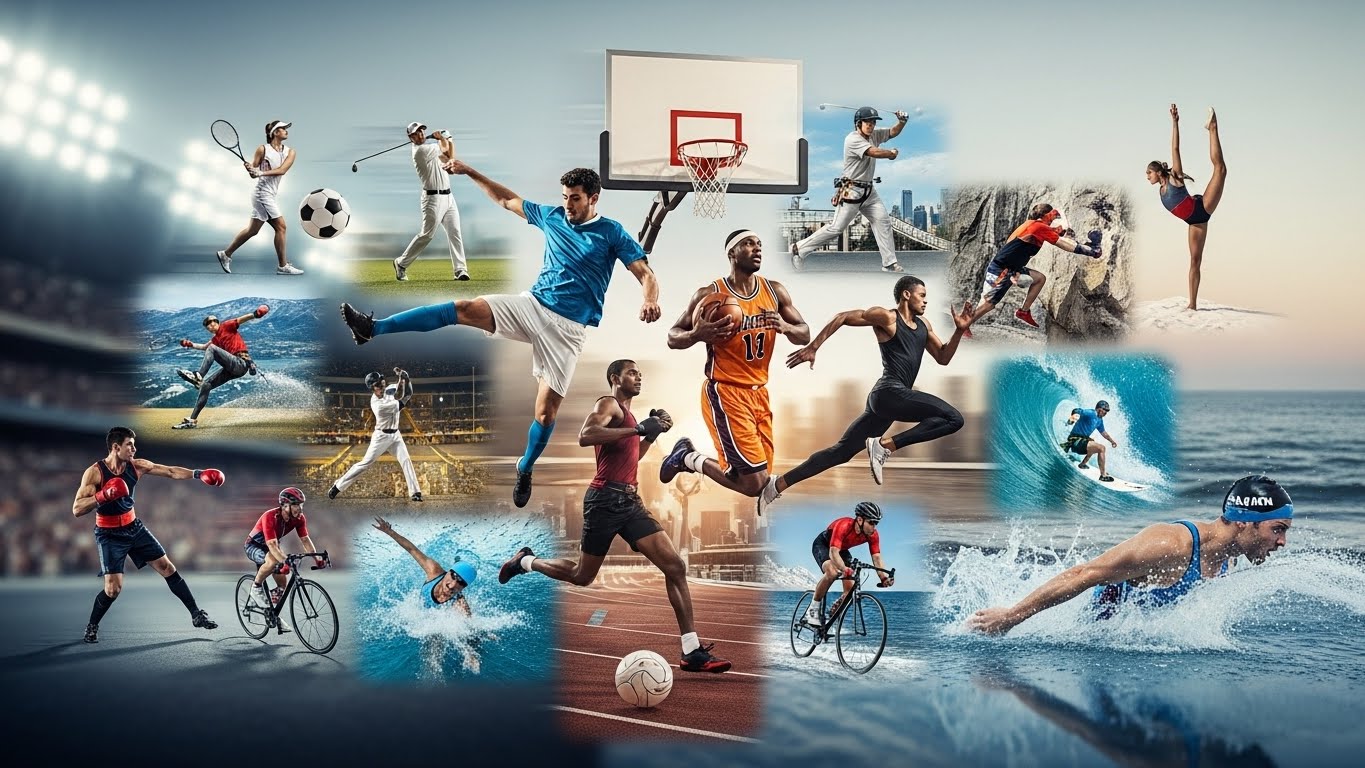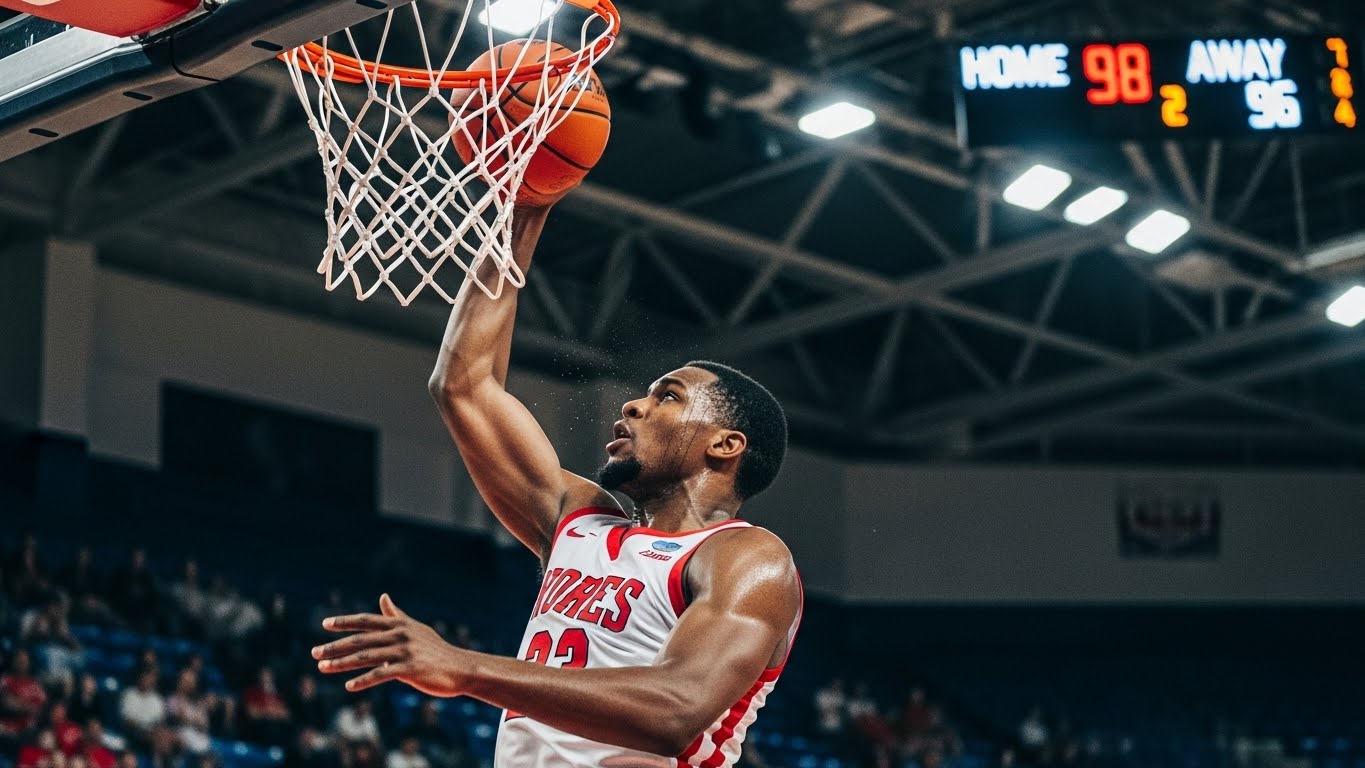

Sports have always been more than just games. They are a mirror reflecting human ambition, teamwork, discipline, and the pursuit of excellence. From ancient arenas to modern stadiums, from dusty playgrounds to digital screens, sports have evolved into a global phenomenon that transcends borders, languages, and cultures. Whether played for recreation, competition, or glory, sports unite people through shared emotions — joy, defeat, hope, and triumph.
This blog explores the vast world of sports: their origins, cultural impact, psychological benefits, and the future shaped by technology and globalization.
The Ancient Roots of Sports
The story of sports begins thousands of years ago. Ancient civilizations such as Egypt, Greece, China, and Rome all valued physical contests as a means of entertainment, military training, and spiritual expression. Archaeological evidence shows that as early as 3000 BCE, Egyptians engaged in wrestling, archery, and swimming. The Chinese practiced forms of gymnastics and martial arts, while the Greeks formalized competitive athletics through the Olympic Games.
The ancient Olympic Games, first recorded in 776 BCE, were held in Olympia, Greece, in honor of Zeus. Events such as running, boxing, discus throw, and chariot racing showcased not only physical prowess but also the idea of sportsmanship and civic pride. Competitors trained rigorously, and winning brought immense honor to their city-states.
Meanwhile, in ancient Rome, gladiatorial combat and chariot racing captivated audiences in vast arenas. Though brutal by modern standards, these spectacles reflected a society that admired courage, strength, and spectacle. The cultural significance of ancient sports laid the foundation for modern athletics — the idea that physical performance can represent personal and societal ideals.
The Evolution of Modern Sports
Modern sports began to take shape in the 19th century with the rise of organized competitions, standard rules, and global tournaments. Britain played a crucial role in codifying sports like soccer (football), cricket, and rugby. With the expansion of the British Empire, these sports spread across continents, becoming part of local cultures worldwide.
The revival of the Olympic Games in 1896 marked the start of international sporting collaboration. Led by Pierre de Coubertin, the modern Olympics promoted unity, respect, and peace through athletic excellence. Since then, sports have become a stage where nations celebrate identity, talent, and achievement.
The 20th century witnessed the birth of professional leagues and international tournaments: the FIFA World Cup, the NBA, the Tour de France, and many more. These competitions transformed sports into a global industry, attracting massive audiences and sponsorships. Television and radio broadcasts made athletes household names, turning sports into one of the most influential cultural forces of the modern age.
The Social and Cultural Power of Sports
Sports are not just physical contests; they are cultural events that shape identities and bridge divides. In many countries, national teams embody collective pride and unity. When Brazil wins a football match or India triumphs in cricket, millions celebrate together, transcending social and political boundaries.
Sports also reflect societal struggles and progress. The civil rights movement in the United States found powerful voices in athletes like Muhammad Ali, who used his platform to protest racial injustice and war. Jackie Robinson broke racial barriers in baseball, paving the way for integration and equality. Billie Jean King fought for gender equality in tennis, inspiring generations of women athletes.
Culturally, sports influence fashion, language, and entertainment. Jerseys, sneakers, and athletic brands have become part of global fashion trends. Phrases like “home run,” “slam dunk,” and “goal” have entered everyday speech. Movies, documentaries, and biographies celebrate legendary athletes, turning their journeys into timeless narratives of courage and determination.
Sports also serve as instruments of diplomacy. International competitions often help ease tensions between countries. For instance, “ping-pong diplomacy” between the United States and China in the 1970s opened new channels of communication. The Olympic Games continue to be a symbol of peace and collaboration, where nations set aside differences to celebrate human potential.
The Psychological and Physical Benefits of Sports
Beyond fame and competition, sports profoundly impact individual health and psychology. Engaging in physical activity strengthens the body, improves cardiovascular health, builds muscle, and enhances endurance. But the benefits extend far beyond the physical.
Sports nurture discipline, resilience, and emotional balance. The routine of practice, teamwork, and goal-setting teaches time management and perseverance. Athletes learn to cope with failure and pressure — essential skills that translate into personal and professional life.
Team sports like soccer or basketball teach cooperation and communication. Individual sports like running, swimming, or tennis foster self-reliance and focus. Even recreational sports offer therapeutic benefits: reducing stress, combating depression, and boosting confidence.
For children and adolescents, sports play a vital role in development. They promote social interaction, improve concentration, and reduce behavioral problems. For adults, regular participation in sports combats lifestyle diseases and enhances mental well-being. Among older adults, light sports and exercises maintain mobility and cognitive health, proving that the spirit of sports has no age limit.
The Role of Women in Sports
The journey of women in sports is one of resilience and triumph. For centuries, female athletes faced social, cultural, and institutional barriers. The early Olympic Games excluded women entirely. Even when women began participating, they were often restricted to “appropriate” events like tennis or figure skating.
However, over the past century, women have shattered stereotypes and claimed their rightful place in the sports arena. Icons like Serena Williams, Simone Biles, Mia Hamm, and Megan Rapinoe have shown that excellence knows no gender. Women’s leagues in soccer, basketball, and cricket are gaining recognition, audiences, and financial support.
Title IX legislation in the United States, passed in 1972, was a landmark moment that ensured equal opportunities for women in sports and education. Today, female athletes are celebrated globally, yet disparities in pay, sponsorship, and media coverage persist. The fight for equality continues, reminding the world that inclusion in sports is not just a moral obligation but a source of strength and progress for all societies.
The Business of Sports: A Billion-Dollar Industry
Modern sports have evolved into a colossal industry encompassing media, merchandise, tourism, and technology. Major events like the FIFA World Cup, Super Bowl, and Olympics generate billions in revenue. Athletes are not only competitors but global brands. Endorsements, sponsorships, and social media presence make them cultural icons.
Sports management, marketing, and analytics have become specialized professions. Corporations invest heavily in sports advertising to reach diverse audiences. Broadcasting rights for major tournaments are sold for astronomical sums, reflecting the massive global appetite for live sports.
At the same time, commercialization brings challenges. The pressure for profit sometimes overshadows fair play. Corruption scandals, doping, and match-fixing threaten integrity. Balancing entertainment and ethics remains a central issue in the business of sports. Still, responsible governance, fan engagement, and technological innovation continue to shape the industry positively.
Technology and Innovation in Sports
The digital age has transformed sports in ways unimaginable just decades ago. From athlete performance analysis to fan experience, technology is redefining how sports are played, watched, and understood.
Wearable technology and biometric sensors track heart rate, speed, and fatigue levels, enabling personalized training and injury prevention. Video replay systems like VAR (Video Assistant Referee) and Hawk-Eye have made officiating more accurate, reducing controversies and improving fairness.
Virtual reality and augmented reality allow fans to experience sports immersively, from 360-degree replays to interactive simulations. Esports, or competitive video gaming, has emerged as a new frontier, attracting millions of viewers and blurring the line between digital entertainment and traditional athletics.
Artificial intelligence and data analytics are revolutionizing strategies. Coaches analyze massive datasets to optimize player performance, anticipate opponents’ tactics, and manage game plans. Even recruitment and scouting now rely heavily on algorithms and predictive models.
The integration of technology ensures that sports remain dynamic, inclusive, and future-ready. It enhances safety, transparency, and engagement — essential pillars for sustaining global interest.
The Spirit of Sportsmanship
At the heart of all sports lies an invisible thread: sportsmanship. It represents the ethical foundation of fair play, respect, and humility. True champions are not defined solely by victories but by integrity, perseverance, and compassion.
Moments of sportsmanship often leave deeper impressions than triumphs. When one athlete stops to help another injured competitor, when a losing team congratulates the winner sincerely, or when fans applaud an opponent’s performance — these moments remind us of the essence of humanity within competition.
Sportsmanship teaches that success is meaningful only when achieved honorably. It fosters empathy, unity, and moral growth. In a world often divided by politics or prejudice, sports remain a powerful example of mutual respect and shared joy.
Sports and Education: Building Future Leaders
Integrating sports into education is essential for holistic development. Schools and universities worldwide recognize that physical education complements academic excellence. Students who participate in sports often display higher levels of discipline, leadership, and teamwork.
Sports scholarships provide life-changing opportunities for talented youth. Many athletes come from humble backgrounds, using their skills to pursue education and careers. The lessons learned on the field — perseverance, communication, goal-setting — prepare individuals for challenges beyond sports.
Moreover, educational institutions increasingly promote inclusivity in sports programs, ensuring access for children with disabilities. Adaptive sports such as wheelchair basketball or Paralympic swimming celebrate human capability and redefine perceptions of strength and achievement.
Sports and the Media Revolution
Media has been the greatest amplifier of sports’ global reach. From the first radio broadcasts to live television coverage, and now streaming platforms, the way we consume sports has transformed dramatically.
In the digital age, fans are no longer passive viewers; they are active participants. Social media platforms allow instant interaction with athletes and teams. Highlights, interviews, and behind-the-scenes clips bring audiences closer to the action. This interactivity builds emotional connections and loyalty.
However, media also shapes narratives, sometimes emphasizing controversy over competition. Responsible journalism is vital to maintain balance, celebrate achievements, and uphold the true spirit of sports.
The Globalization of Sports
Sports today transcend borders like never before. A football club in England has fans in Asia, Africa, and the Americas. The NBA’s global fanbase spans every continent. The Olympics bring together athletes from over 200 nations, symbolizing human unity.
Globalization has diversified talent pools. African runners dominate marathons, Asian athletes excel in badminton and gymnastics, and Latin American players enrich global football. This cultural exchange enriches sports and promotes cross-cultural understanding.
However, globalization also brings issues such as athlete migration, cultural appropriation, and uneven resource distribution. Ensuring that sports remain accessible and inclusive for all nations is crucial for sustainable global growth.
The Challenges Facing Modern Sports
Despite its triumphs, the world of sports faces complex challenges. Corruption, doping, and financial exploitation threaten credibility. Athletes often endure immense physical and mental pressure, leading to burnout, anxiety, or depression. Mental health awareness in sports has become an urgent topic, with stars like Naomi Osaka and Simone Biles speaking openly about their struggles.
Climate change also affects sports. Extreme weather disrupts events and endangers outdoor activities. The push for sustainable stadiums, eco-friendly practices, and reduced carbon footprints is gaining momentum across the industry.
Inclusivity remains another challenge. Athletes from underprivileged backgrounds often lack access to quality facilities or funding. Efforts to democratize sports — through community programs, grassroots training, and digital platforms — are essential to ensure equal opportunity for all.
The Future of Sports: Where Passion Meets Progress
As we look ahead, the future of sports seems boundless. The fusion of technology, science, and creativity will continue to redefine human potential. From smart arenas powered by renewable energy to AI-driven training programs, innovation will enhance both performance and experience.
Virtual competitions and esports will coexist with traditional games, expanding what we define as “sport.” Gender equality and inclusion will gain even greater momentum, as more institutions commit to fair representation and pay equity.
Most importantly, the spirit of sports — unity, discipline, and joy — will endure. No matter how digital or commercialized the world becomes, the core emotion of standing on a field, hearing a crowd’s roar, or feeling the thrill of victory will remain timeless.
Conclusion: Sports as the Heartbeat of Humanity
Sports are humanity’s shared heartbeat — a living expression of struggle, hope, and triumph. They teach us to dream boldly, to respect our opponents, and to rise after every fall. Whether on a local playground or the grand stage of the Olympics, sports reveal the best of who we are and who we can become.
From ancient warriors to modern athletes, from village games to world championships, the journey of sports is the story of human evolution itself — the constant pursuit of excellence and meaning. As long as there are people who run, jump, swim, and strive, sports will continue to unite the world in one powerful rhythm: the rhythm of passion, perseverance, and play.