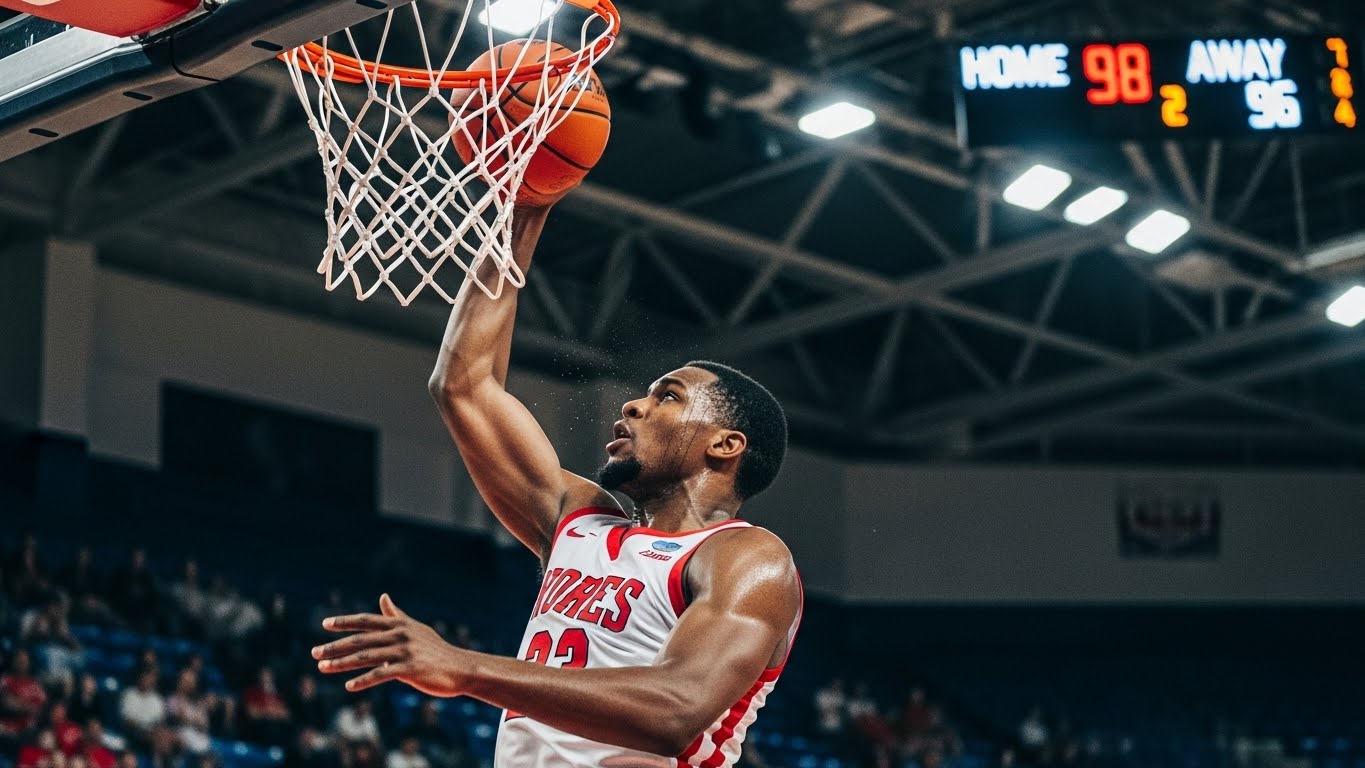

Sports have long been a significant part of human culture, a way to celebrate physical achievement, foster community spirit, and bring people together across borders. Whether you’re a player or a fan, sports have a way of captivating our hearts and minds. However, the world of sports is no longer just about raw talent and physical prowess. Technology, data analytics, and innovation are playing an increasingly important role in how we train, watch, and engage with our favorite sports. Let’s explore the ways in which the sports landscape is evolving and how these innovations are shaping the future of the games we love.
The Role of Technology in Athlete Performance
Over the years, the way athletes train has transformed dramatically, thanks to technological advancements. In the past, training was mostly about physical conditioning, practicing techniques, and learning from coaches. Today, technology has added a whole new dimension to training, making it more scientific, data-driven, and precise.
Wearable technology, such as smartwatches and fitness trackers, is now commonplace in sports, enabling coaches and athletes to gather real-time data on metrics like heart rate, sleep quality, movement patterns, and muscle recovery. For example, in soccer, players wear GPS trackers to monitor their speed, distance covered, and intensity during training and matches. This data helps coaches adjust training loads to prevent overexertion and improve overall performance.
In addition to wearables, advanced video analysis tools are used to break down an athlete’s technique in minute detail. For instance, tennis players can use high-speed cameras to analyze their swing and ball contact, allowing them to make small adjustments that could lead to big improvements in performance. This technology not only boosts performance but also reduces the risk of injury, helping athletes maintain their peak physical condition for longer.
Big Data and Analytics: A New Era of Strategy
Data is now at the heart of nearly every aspect of sports, from player recruitment to in-game strategies. The use of big data has revolutionized how teams approach decision-making, offering insights into player performance, opponent behavior, and even fan engagement.
In sports like baseball, basketball, and football, coaches and managers now use complex algorithms to analyze vast amounts of data collected from games. These analyses provide a deeper understanding of player strengths, weaknesses, and potential matchups. For example, in baseball, sabermetrics (advanced statistics) are used to assess player value, determine batting order, and even predict the likelihood of a player hitting a home run against a particular pitcher.
In football, teams use data analytics to break down opposing team strategies, evaluate player tendencies, and even predict in-game situations like when a quarterback might be most likely to throw an interception. This data-driven approach allows teams to make more informed decisions, both in terms of strategy and recruitment.
This shift to data analytics has also affected the fan experience. Fans now have access to detailed stats during live games, giving them a more in-depth understanding of what’s happening on the field. Stats such as player tracking, shooting efficiency, and play-by-play breakdowns have become part of the everyday conversation among sports fans, enriching the overall viewing experience.
Virtual Reality: Reimagining Training and Fan Engagement
While virtual reality (VR) is often associated with gaming, it has begun to make waves in the world of sports, particularly in training and fan engagement. For athletes, VR offers an immersive environment to simulate game scenarios, helping them improve their skills without the need for physical practice. In sports like football, basketball, and even baseball, VR is used to replicate real-game situations, such as facing an opponent or practicing certain plays, all within a virtual setting.
For example, quarterbacks in American football can use VR to practice reading defenses and making split-second decisions without stepping onto the field. Similarly, basketball players can simulate shooting from various angles and distances, fine-tuning their technique without the wear and tear of repetitive physical practice.
On the fan side, VR is enhancing how we watch and experience live events. Fans can now “attend” games virtually, experiencing them as if they were in the front row, no matter where they are in the world. Virtual seats provide panoramic views of the game, giving fans an experience that feels almost as good as being there in person. Some sports venues are even experimenting with VR to allow fans to explore stadiums or interact with players during halftime shows, opening up new possibilities for fan engagement.
Esports: The Digital Arena of the Future
Esports, or competitive video gaming, is another area that has seen explosive growth in recent years. What was once considered a niche activity is now a global phenomenon, with millions of fans tuning in to watch their favorite gamers compete in tournaments for massive cash prizes. Esports leagues and teams have popped up all over the world, attracting sponsorships, media deals, and a dedicated fanbase that rivals that of traditional sports.
Esports tournaments are now broadcast on major networks and streaming platforms like Twitch, drawing large audiences who are just as passionate about their teams as fans of traditional sports. Popular games like “League of Legends,” “Fortnite,” and “Counter-Strike” have created a new type of sporting event, with professional players who train for hours each day, similar to athletes in traditional sports.
What’s particularly exciting about esports is its accessibility. Unlike traditional sports, where physical skill and infrastructure can limit participation, esports allows anyone with a computer or gaming console to compete, regardless of location or physical ability. This opens the door for more diverse participation and fans, making esports one of the fastest-growing areas in the entertainment and sports industries.
The Future of Sports: Integrating Technology and Tradition
As we look to the future, it’s clear that technology will continue to influence how we experience and engage with sports. From advanced wearables and data-driven strategies to virtual reality and esports, the next generation of sports will be a hybrid of tradition and innovation.
However, it’s important to remember that technology is an enabler, not a replacement for the fundamental elements of sports. No matter how advanced the tools become, the excitement of a last-minute goal, a game-winning touchdown, or a buzzer-beater will never be replaced by data or virtual simulations. The human element—athletes pushing their physical and mental limits—will always be at the heart of sports.
The future will likely see more personalized experiences for fans, with AI-powered apps and VR headsets offering deeper interaction and immersion. Augmented reality (AR) could change how we watch games, with overlays of stats and player data projected directly into our field of view during live broadcasts. Even stadiums might evolve, offering more interactive and tech-driven experiences, such as smart seats with built-in screens or augmented reality games during breaks.
Conclusion: The Intersection of Innovation and Passion
Technology has undeniably transformed the world of sports, bringing new tools and opportunities for athletes, coaches, and fans alike. From enhancing performance and strategy to revolutionizing fan engagement, innovation continues to shape the way we think about and experience sports. But as much as technology improves and changes the game, the passion, excitement, and emotional connection that sports provide will always remain central to the experience.
As we look ahead, the integration of technology with traditional sports will create new ways for fans to connect with their favorite games and for athletes to elevate their performances. The future of sports is bright, and it’s an exciting time to witness how these innovations will unfold and further redefine the world of sports as we know it.