
Introduction
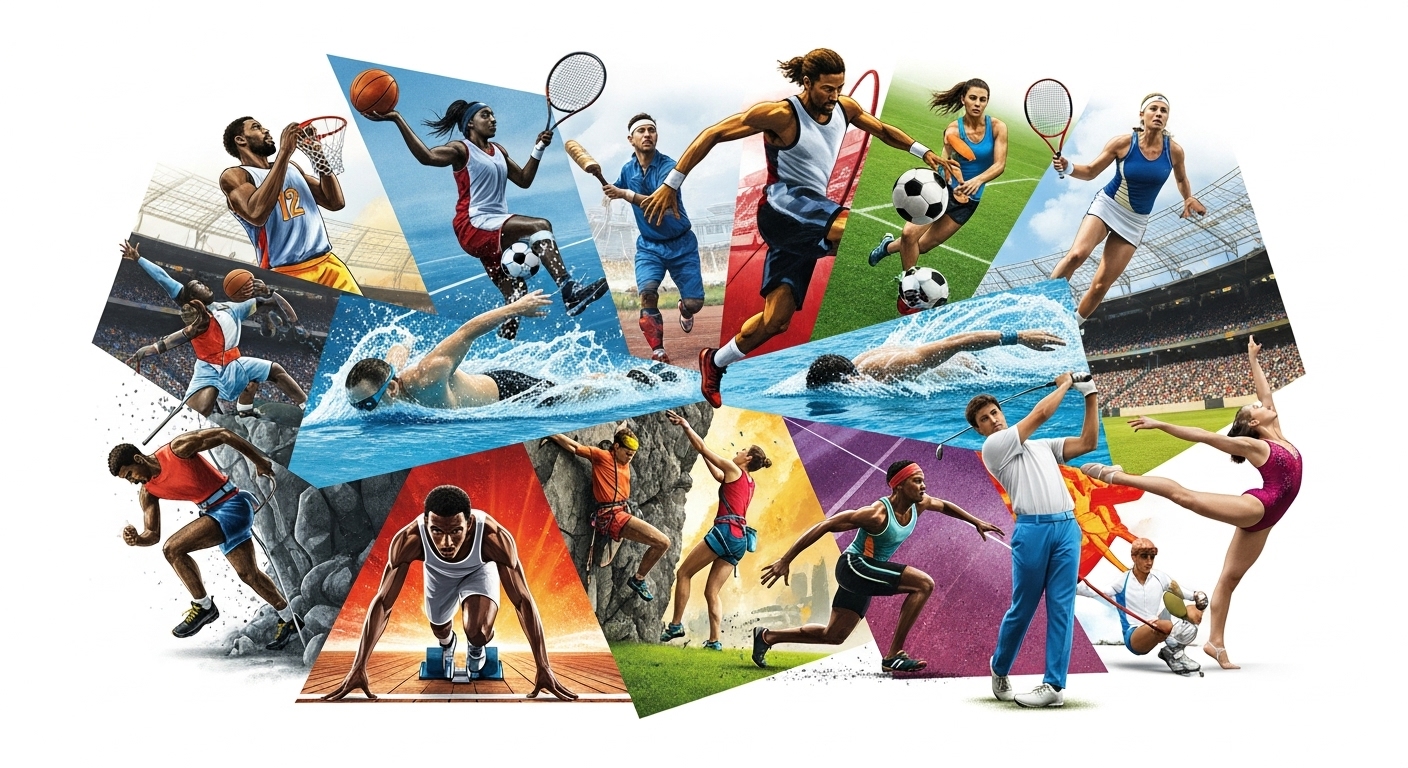
Sports have always been an integral part of human culture. Beyond the thrill of competition, sports teach valuable life lessons, encourage physical fitness, and create communities. They unite people from different backgrounds and inspire individuals to push their limits, making sports a universal language of passion and perseverance.
The History and Evolution of Sports
Sports have evolved over thousands of years. Ancient civilizations engaged in wrestling, running, and archery to test strength and skill. The Olympic Games in Greece formalized competitive sports, creating a legacy that continues today. Modern sports have expanded to include everything from football and basketball to swimming, athletics, and emerging fields like esports. Each evolution reflects society’s changing interests and technological advancements.
Life Lessons from Sports
Participation in sports teaches discipline, dedication, and resilience. Athletes learn to set goals, handle victories and defeats, and develop mental toughness. The principles learned on the field often translate into everyday life, helping individuals face challenges, make decisions under pressure, and maintain focus on long-term objectives.
Teamwork and Collaboration
Team sports highlight the importance of cooperation. Players must communicate, trust each other, and work toward a common goal. These experiences teach collaboration, leadership, and empathy. The lessons of teamwork extend beyond sports, fostering stronger relationships in schools, workplaces, and communities.
Health Benefits of Sports
Regular involvement in sports promotes physical and mental health. Exercise strengthens muscles, improves cardiovascular fitness, and enhances flexibility. Sports also release endorphins, which reduce stress and elevate mood. Engaging in sports from a young age encourages lifelong habits that support a healthier lifestyle.
Sports as a Social Connector
Sports have the power to bring people together. Fans gather to cheer for teams, creating a shared sense of excitement and unity. Community sports programs encourage participation, build social bonds, and provide opportunities for mentorship. Globally, sports events foster cultural exchange, national pride, and international camaraderie.
Technology in Modern Sports
Technology has transformed the world of sports. Wearable devices, performance analytics, and advanced training equipment help athletes improve efficiency and safety. Broadcast technology and live streaming allow fans to experience events from anywhere in the world, while virtual reality and esports are creating entirely new ways to play and watch sports.
The Future of Sports
The future of sports is dynamic and inclusive. Emerging fields like esports and adaptive sports are opening doors for broader participation. Innovations in training, performance tracking, and fan engagement are creating new experiences for players and audiences alike. As sports continue to evolve, they will remain a vital part of culture, health, and community life.
Conclusion
Sports are more than games—they are a way of life. They inspire, educate, and unite people while promoting physical and mental well-being. From grassroots leagues to global tournaments, sports have the power to shape character, foster teamwork, and create lasting memories. The essence of sports lies in its ability to bring people together, celebrate human achievement, and push the boundaries of what is possible.
If you want, I can also create a more engaging, casual version filled with examples of popular sports, iconic athletes, and trending global tournaments to make it appeal to a wider audience.