
Introduction
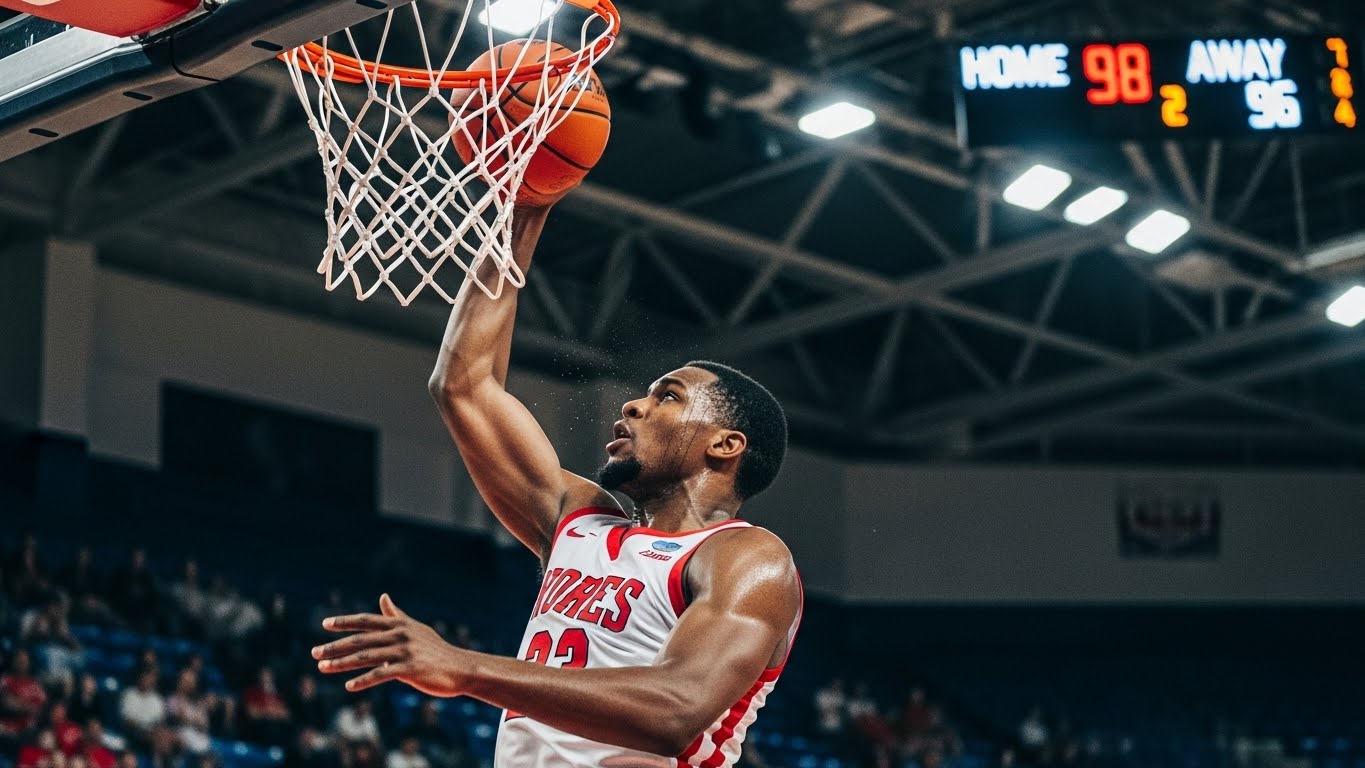
Sports are more than competition—they are a celebration of human strength, determination, and teamwork. They inspire individuals to push boundaries, develop discipline, and achieve personal growth. From local playgrounds to international arenas, sports create shared experiences that unite people and leave lasting impressions on communities worldwide.
Physical and Mental Benefits of Sports
Participating in sports strengthens both the body and mind. Regular physical activity improves endurance, flexibility, and overall fitness. Beyond the physical, sports enhance mental health by reducing stress, improving focus, and boosting self-confidence. Facing challenges on the field teaches resilience, patience, and the ability to handle both success and failure gracefully.
Teamwork and Leadership Skills
Sports teach invaluable lessons in collaboration and leadership. Team games such as football, basketball, and cricket emphasize communication, trust, and coordination. Players learn to work toward a common goal, support teammates, and respect individual roles. Leadership skills naturally develop as athletes guide others, motivate their peers, and take responsibility during critical moments.
Inspiration and Motivation Through Sports
Athletes serve as powerful sources of inspiration. Their dedication, perseverance, and determination to overcome obstacles motivate millions of fans and aspiring players. Sports demonstrate that achieving success requires consistent effort, focus, and belief in oneself. These lessons extend beyond the field, encouraging individuals to pursue goals in academics, careers, and personal life.
Sports and Community Impact
Sports unite communities and foster social connections. Local leagues, school competitions, and professional events bring people together, creating a sense of belonging. National and international tournaments inspire pride, cultural exchange, and global camaraderie. Moreover, sports open opportunities for education, social development, and personal empowerment, reinforcing their role as a positive force in society.
The Role of Sports in Mental Health
Sports are vital for mental well-being. Engaging in physical activity releases endorphins, reducing stress and enhancing mood. Overcoming challenges and achieving milestones builds resilience and confidence. Sports offer a healthy outlet for energy, providing balance in an increasingly busy and demanding world.
Challenges Facing Modern Sports
Despite their benefits, sports face challenges that cannot be ignored. Doping, corruption, and unfair practices threaten the integrity of competitions. The pressure to perform at high levels can lead to burnout, anxiety, or physical injuries. Promoting ethical practices, equal opportunities, and proper support systems is essential to preserve the true essence of sports.
The Future of Sports
The future of sports is dynamic and promising. Technology is enhancing training, performance analysis, and fan engagement. Inclusivity is expanding, providing opportunities for women, differently-abled athletes, and marginalized groups. Sports will continue to inspire, unite, and empower people, creating healthier and stronger communities worldwide.
Conclusion
Sports are a powerful tool that goes far beyond physical activity. They shape character, build life skills, and foster connections that transcend borders. Their true impact lies not only in winning but in participation, perseverance, and the lessons learned along the way. Through sports, individuals and communities grow stronger, healthier, and more connected every day.