
Introduction: The Universal Language of Sports
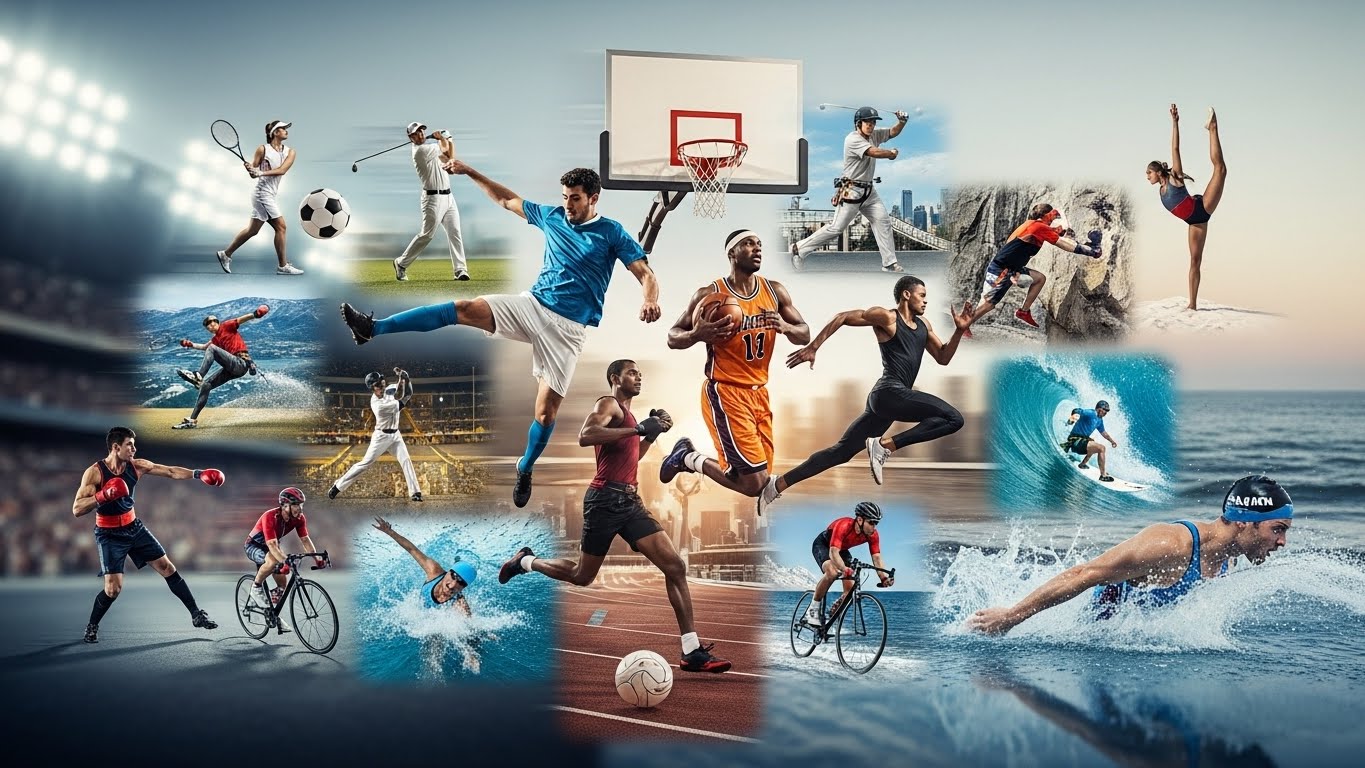
Sports have always held a special place in human civilization. From ancient times when societies held games to celebrate strength and skill, to modern stadiums brimming with fans, sports serve as a universal language connecting people across cultures. They are not merely competitions but reflections of human determination, creativity, and social cohesion. Whether through the thrill of victory or the agony of defeat, sports inspire emotions, teach lessons, and bring communities together in ways few other activities can.
The Historical Significance of Sports
Sports are as old as civilization itself. Ancient Greece celebrated the Olympic Games, not only as a display of athletic skill but as a unifying cultural event. Similarly, in other ancient societies, games were used to honor gods, strengthen warriors, and foster social cohesion. Over centuries, sports have evolved in style and form, adapting to the cultural and technological changes of the world. Today, professional sports dominate global entertainment, but the underlying principles—teamwork, discipline, and resilience—remain timeless.
Physical and Mental Benefits of Sports
Engaging in sports is about more than winning trophies. Regular participation improves physical health by enhancing cardiovascular fitness, building strength, and promoting flexibility. But the benefits extend beyond the physical. Sports nurture mental resilience, boost concentration, and cultivate emotional intelligence. Athletes learn to handle pressure, recover from setbacks, and maintain focus on long-term goals. Even casual participants experience improved mood, reduced stress levels, and a sense of accomplishment, making sports a holistic approach to personal well-being.
Sports as a Teacher of Life Skills
Beyond the health benefits, sports are powerful teachers of life skills. Team sports, such as football, basketball, and volleyball, foster collaboration and communication. Players learn to trust one another, recognize individual strengths, and work collectively toward a common goal. Individual sports, like tennis, swimming, or athletics, teach self-discipline, strategic thinking, and perseverance. These lessons extend into everyday life, helping people navigate professional challenges, personal relationships, and societal responsibilities with greater confidence.
The Role of Sports in Social Integration
Sports have a unique ability to bridge social divides. They create common ground for people of different backgrounds, religions, and nationalities. Stadiums become melting pots where cultural differences fade in the face of shared enthusiasm for a game. Community leagues and school sports programs promote inclusivity, offering opportunities for individuals who might otherwise feel marginalized. On a global scale, international competitions such as the World Cup or the Olympics highlight the power of sports to foster diplomacy, mutual respect, and understanding among nations.
Economic Impact of Sports
While often celebrated for cultural and personal benefits, sports also wield immense economic influence. Professional leagues, sporting events, merchandise, and sponsorships generate billions of dollars annually worldwide. Local economies thrive when major events draw tourism and investment. Moreover, sports create employment opportunities, ranging from coaching and athletic training to media and event management. The economic footprint of sports extends far beyond stadiums, underscoring its significance as both an entertainment and business powerhouse.
The Evolution of Technology in Sports
Technology has transformed the way sports are played, viewed, and analyzed. Innovations like video replay, wearable fitness trackers, and data analytics have enhanced both performance and fairness. Athletes now train with precision, monitoring everything from heart rate to biomechanics, while referees use technology to make more accurate decisions. Fans benefit too, enjoying immersive experiences through high-definition broadcasts and virtual reality. Technology continues to reshape sports, creating new possibilities for athletes, coaches, and audiences alike.
Sports and Personal Identity
For many, sports are integral to personal identity. Athletes dedicate years to refining their craft, and fans often align themselves with teams or players who reflect their values and aspirations. Sports provide a sense of belonging, pride, and inspiration. They can define careers, shape childhood memories, and influence life decisions. The emotional connection is powerful, often transcending rational considerations, as individuals celebrate victories, mourn losses, and share collective experiences with fellow enthusiasts.
The Psychological Dynamics of Competition
Competition is at the heart of sports, driving performance and growth. The psychological dynamics of competition are complex, involving motivation, confidence, focus, and emotional control. Athletes must manage the pressures of expectation while maintaining clarity of thought and adaptability under stress. Sports psychologists emphasize mental preparation as much as physical conditioning, teaching visualization, goal-setting, and mindfulness to optimize performance. Understanding these psychological elements highlights why sports are as much a mental battle as a physical one.
Women in Sports: Breaking Barriers
Historically, women faced significant barriers in sports, yet today, female athletes are rewriting narratives and inspiring generations. From tennis legends to track and field champions, women demonstrate skill, endurance, and strategic brilliance. Increased visibility and support for women’s sports have challenged stereotypes and promoted gender equality. Initiatives encouraging female participation in traditionally male-dominated sports continue to expand opportunities, ensuring that talent and determination are recognized, regardless of gender.
Youth Engagement and Sports Development
Encouraging youth to participate in sports lays the foundation for healthier, more engaged communities. Sports programs in schools and neighborhoods instill discipline, teamwork, and leadership skills from an early age. They also provide constructive outlets for energy and creativity, reducing the likelihood of negative behaviors. Mentorship from coaches and senior athletes helps young people navigate challenges both on and off the field. Investing in youth sports is not merely about producing professional athletes; it is about fostering well-rounded individuals who contribute positively to society.
The Globalization of Sports
Sports today transcend borders, creating a global community of enthusiasts. International competitions allow athletes to showcase their talents on the world stage, while fans connect across continents through shared passion. Cultural exchanges occur organically as teams and players travel, bringing unique styles, techniques, and traditions to new audiences. The globalization of sports has also increased accessibility, with broadcasting and digital platforms ensuring that people everywhere can witness extraordinary feats and celebrate athletic excellence together.
Challenges Facing Modern Sports
Despite its many benefits, sports face challenges. Issues like doping, corruption, and commercialization threaten the integrity of competitions. Excessive focus on winning can overshadow values like sportsmanship, fairness, and personal growth. Additionally, access remains unequal, with marginalized communities often facing barriers to participation. Addressing these challenges requires a commitment to ethical practices, equitable opportunities, and a balance between competitive success and holistic development. Sports thrive best when integrity, inclusivity, and passion remain at the core.
The Future of Sports
Looking ahead, sports are poised to evolve in exciting ways. Advances in technology, medicine, and training techniques will enhance athlete performance and fan engagement. Virtual and augmented reality may redefine how spectators experience games, while artificial intelligence could provide deeper insights into strategies and outcomes. Importantly, the ethos of sports—teamwork, perseverance, and joy of play—will continue to inspire new generations. As societies change, sports will adapt, yet their fundamental role in uniting people, shaping character, and celebrating human potential will remain steadfast.
Conclusion: Beyond the Game
Sports are far more than games; they are reflections of human ambition, resilience, and creativity. They teach us about ourselves, connect us with others, and inspire us to push boundaries. Whether on the streets, in community fields, or under stadium lights, sports bring energy, purpose, and joy into lives. In celebrating sports, we celebrate the essence of human spirit—the pursuit of excellence, the power of connection, and the enduring thrill of play.