Sports: A Universal Language
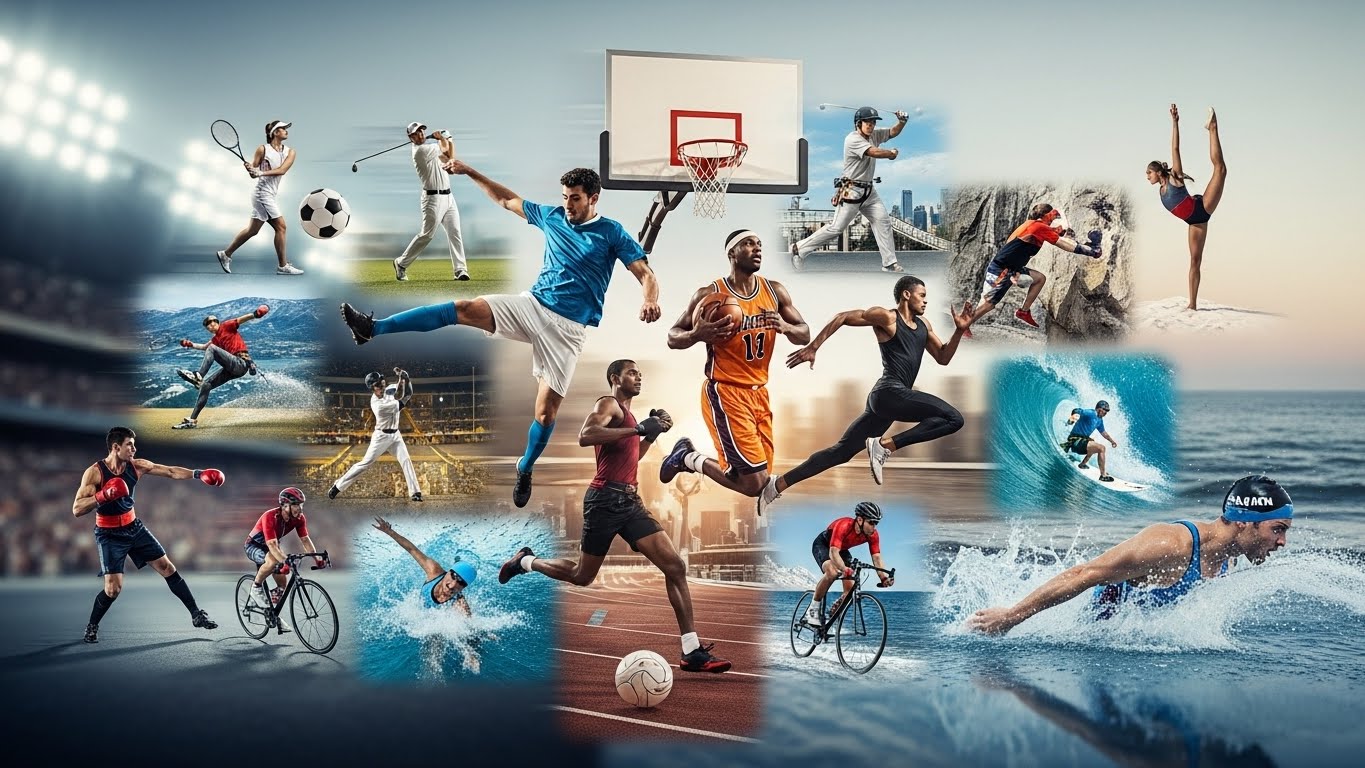
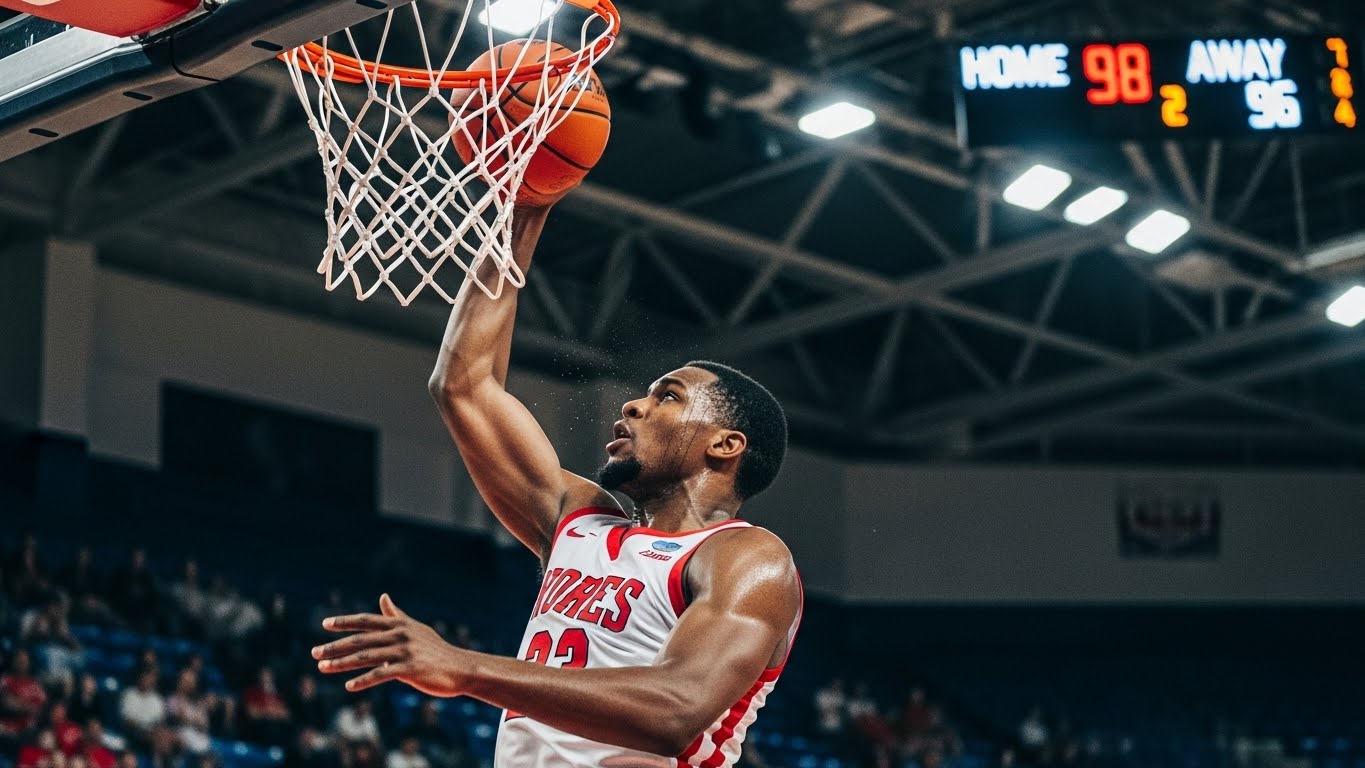
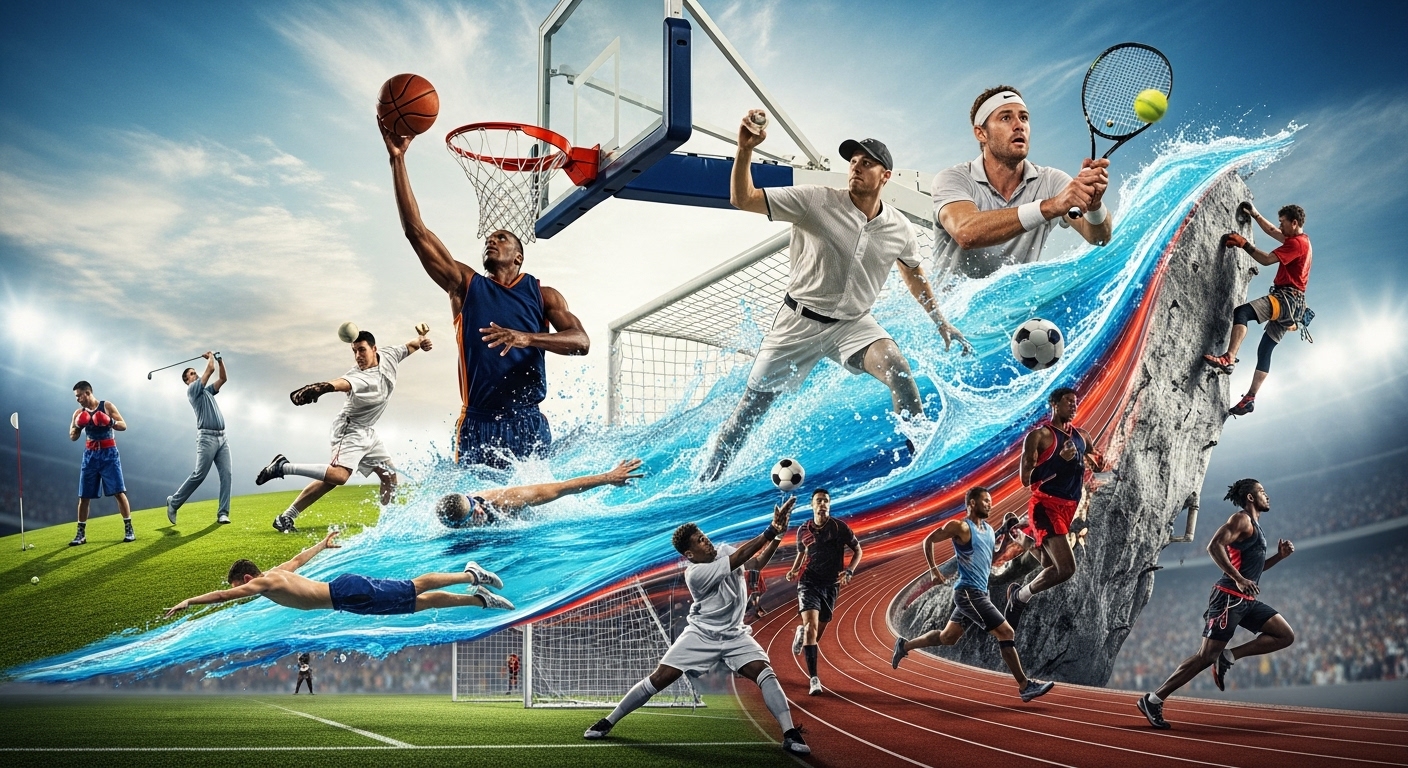
Sports have always been more than just games; they are a universal language that transcends borders, cultures, and languages. From soccer in Europe to cricket in South Asia, basketball in North America to rugby in Oceania, sports connect people through shared passion and experience. The thrill of competition, the joy of teamwork, and the exhilaration of victory are feelings recognized by everyone, regardless of background.
Sports are also a reflection of society. They mirror cultural values, traditions, and social structures. Whether played at local fields or international stadiums, sports have the power to unite communities, create memories, and inspire generations. They teach lessons about effort, discipline, and resilience that extend far beyond the playing field.
The History and Evolution of Sports
The history of sports dates back thousands of years. Ancient civilizations often incorporated athletic competitions into religious and social rituals. The Greeks, for example, developed the Olympic Games to celebrate physical excellence, discipline, and honor. Over time, games became organized competitions with standardized rules, teams, and rankings.
The industrial revolution and technological advancements accelerated the growth of sports. Transportation made it easier for teams to travel and compete, while media coverage, from newspapers to television and now digital platforms, brought sports to a global audience. Today, sports are not only recreational but also professional industries that generate economic, social, and cultural value.
Physical Benefits of Sports
Engaging in sports offers a multitude of physical benefits. Regular participation improves cardiovascular health, strength, endurance, flexibility, and coordination. It helps prevent lifestyle-related illnesses such as diabetes, obesity, and heart disease. Sports also play a crucial role in children’s development, promoting motor skills, growth, and overall physical fitness.
Sports are more than exercise; they encourage active lifestyles that can lead to lifelong health benefits. Recreational sports, whether cycling, swimming, or running, provide opportunities for individuals to maintain fitness while enjoying themselves. For adults, consistent physical activity enhances energy levels, reduces fatigue, and improves overall quality of life.
Mental and Emotional Benefits
The impact of sports extends to mental and emotional well-being. Participation fosters discipline, focus, and self-confidence. Athletes learn to handle pressure, manage setbacks, and remain motivated toward achieving goals. Sports can reduce stress, alleviate anxiety, and improve mood through the release of endorphins during physical activity.
Being part of a team also builds social skills and emotional intelligence. Players learn communication, empathy, and collaboration while navigating the challenges of competition. Even spectators experience emotional benefits, connecting with communities and sharing the highs and lows of games, creating a sense of belonging and shared experience.
Teamwork and Social Development
Team sports, in particular, teach invaluable lessons about cooperation and collaboration. Players learn to work toward a common goal, understand the importance of each member’s role, and develop leadership skills. These experiences cultivate interpersonal abilities that extend to personal and professional life.
Sports also create social cohesion within communities. Local teams, school leagues, and recreational clubs provide opportunities for interaction, friendship, and mentorship. Fans rally around teams, celebrating victories and supporting players through challenges. Sports, therefore, are a platform for building social networks and fostering community pride.
Sports and Education
Sports play an important role in education, providing practical lessons alongside academic learning. Participation teaches discipline, time management, goal-setting, and perseverance. Students learn to balance academics with athletic commitments, enhancing organizational and problem-solving skills.
School sports programs foster leadership, teamwork, and strategic thinking. They provide a structured environment where students can explore their potential, develop confidence, and experience the value of hard work. Extracurricular sports activities also encourage inclusivity, giving students from diverse backgrounds the opportunity to participate and thrive.
Technology in Modern Sports
Technology has revolutionized the way sports are played, coached, and watched. Wearable devices monitor physical activity, track performance, and prevent injuries. Data analytics helps coaches optimize strategies and improve team performance. Video analysis allows players to refine techniques and correct mistakes, while sports science enhances training, nutrition, and recovery.
For spectators, technology has enhanced engagement. High-definition broadcasts, instant replays, and virtual reality provide immersive experiences. Social media allows fans to interact with athletes and teams, sharing insights and building communities. Technology has not only improved athletic performance but also transformed the fan experience and accessibility of sports.
Professional Sports and Economic Impact
Professional sports are a major contributor to global economies. Leagues, tournaments, sponsorships, broadcasting rights, and merchandise generate billions of dollars annually. Athletes, coaches, medical staff, and support personnel contribute to a thriving industry that sustains millions of jobs worldwide.
Sports also stimulate local economies. Hosting tournaments, championships, or international events creates revenue for hotels, restaurants, and tourism industries. Youth sports programs and sports academies provide employment opportunities and contribute to community development. The commercialization of sports demonstrates the intersection of athletic performance, entertainment, and economic growth.
Gender Equality in Sports
Historically, sports have been male-dominated, but significant progress has been made toward gender equality. Female athletes are gaining recognition for their talent, skill, and determination. Women’s leagues, tournaments, and events are increasingly visible, inspiring future generations of athletes.
Promoting equality in sports requires equal access, resources, pay, and representation in leadership roles. Women athletes continue to challenge stereotypes and break barriers, using sports as a platform for empowerment and social change. The success of female athletes demonstrates that talent and dedication are not limited by gender.
Sports and National Identity
Sports have the unique ability to evoke national pride. International competitions such as the FIFA World Cup, Olympics, and cricket World Cup bring citizens together to celebrate achievements and support athletes. Victories are shared experiences that unify communities and boost morale.
Athletes serve as ambassadors for their countries, showcasing values such as resilience, integrity, and teamwork. International sports events promote cultural exchange, diplomacy, and understanding. They allow nations to engage in friendly competition, strengthening relationships and fostering global unity.
Health and Wellness Beyond Competition
Sports contribute to health and wellness for people of all ages. Recreational sports, including cycling, swimming, running, and hiking, promote physical fitness, mental clarity, and emotional stability. They reduce stress, improve mood, and increase energy levels.
Sports also encourage long-term healthy habits. Communities with accessible sporting facilities tend to experience better overall public health outcomes. By promoting regular physical activity, sports help prevent chronic illnesses and contribute to a higher quality of life for individuals and communities alike.
Challenges in Sports
Despite the benefits, sports face challenges. Doping, corruption, and commercialization threaten the integrity of competition. Ethical governance, transparency, and regulation are essential to maintain fairness and credibility in sports.
Accessibility remains a major concern. Socioeconomic factors, cultural barriers, and limited infrastructure prevent some groups from participating. Addressing these challenges requires investment in inclusive programs, policies that support participation, and community initiatives to ensure that the benefits of sports are accessible to all.
The Emergence of Esports
Esports, or competitive video gaming, has emerged as a modern branch of sports. Professional tournaments attract global audiences and offer career opportunities for skilled players. Esports emphasizes strategy, teamwork, and skill, similar to traditional sports.
Digital platforms allow fans to watch, interact, and participate in esports communities. The rise of esports demonstrates how technology and competition intersect, expanding the definition of sports and engaging younger generations in new ways.
Lessons Learned from Sports
Sports teach lessons that extend far beyond the field. Discipline, perseverance, teamwork, and resilience are core values that athletes internalize. Learning to handle both success and failure equips individuals for challenges in everyday life.
Spectators also gain valuable insights. Watching athletes overcome obstacles, perform under pressure, and demonstrate sportsmanship inspires personal growth and motivation. Sports provide a blueprint for dedication, strategic thinking, and ethical conduct in both personal and professional arenas.
The Future of Sports
The future of sports is dynamic and innovative. Emerging technologies like virtual reality, augmented reality, and performance analytics will continue to transform training, competition, and fan engagement. Sustainability, inclusivity, and accessibility will shape the development of sports infrastructure and policies.
Sports will continue to inspire, educate, and connect people worldwide. While traditional sports maintain their cultural significance, digital platforms and esports will expand the reach and definition of sports. The combination of tradition, technology, and social responsibility ensures that sports remain relevant for generations to come.
Conclusion
Sports are more than entertainment; they are a cornerstone of human development, culture, and society. They build character, foster health, unite communities, and inspire excellence. From local playgrounds to international arenas, sports teach discipline, teamwork, resilience, and strategic thinking.
As technology advances, inclusivity improves, and awareness of sustainability grows, sports will continue to evolve. They will remain a platform for education, personal development, and global connection. Ultimately, sports remind us that the lessons learned on the field—dedication, collaboration, and perseverance—are lessons for life itself.