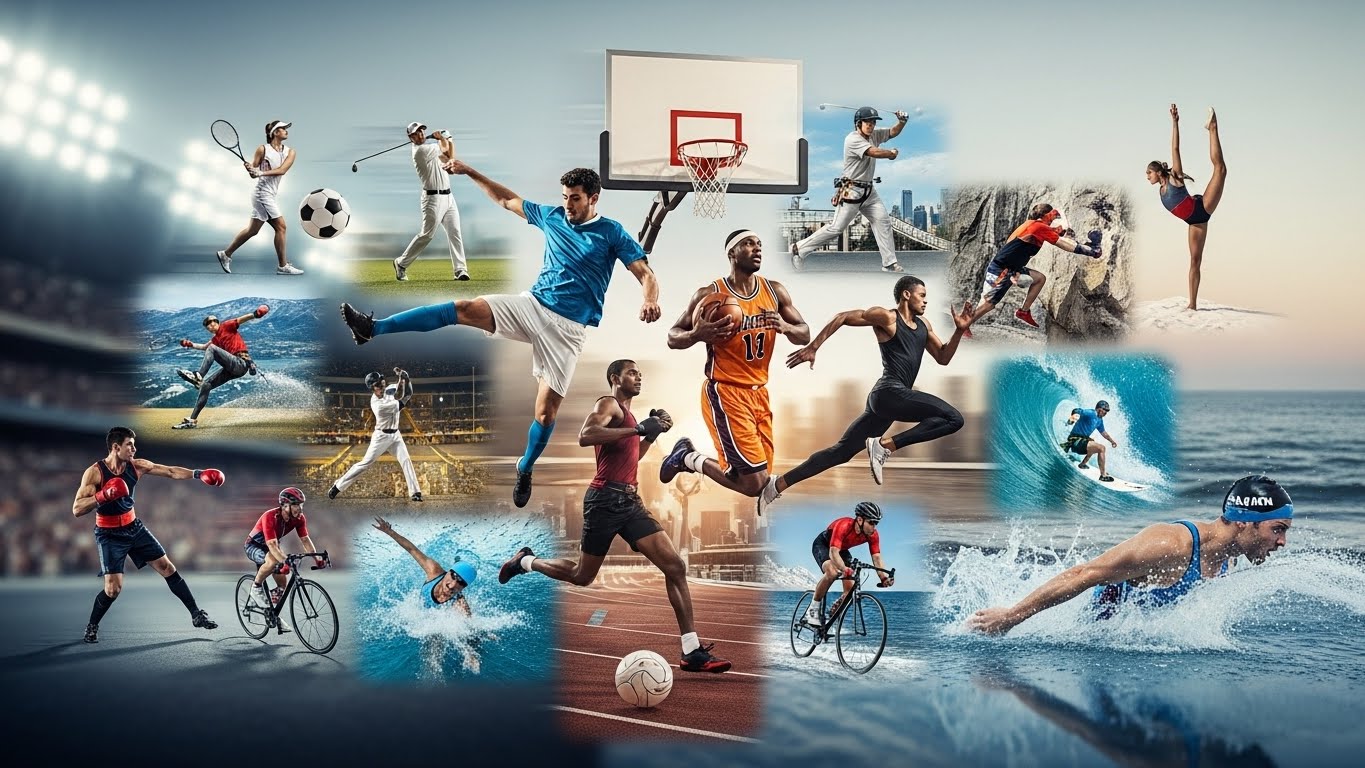
Sports have long been a cornerstone of human culture, providing entertainment, fostering competition, and promoting physical well-being. But the impact of sports goes beyond what happens on the field. The lessons learned through sports resonate in our daily lives, shaping character, building communities, and enhancing personal growth. In this post, we’ll explore the diverse ways in which sports are more than just a pastime.
The Social Impact of Sports
One of the most significant roles sports play is in building social connections. Whether it’s through team sports, community leagues, or international competitions, sports create a unique space where individuals from different backgrounds can come together with a common purpose. The shared experience of playing or supporting a team cultivates a sense of belonging, fostering relationships that often extend beyond the game.
In every corner of the world, sports create opportunities for people to meet, interact, and celebrate a shared passion. From grassroots efforts to professional leagues, the social fabric woven by sports contributes to stronger communities and greater cultural understanding.
Health Benefits Beyond the Physical
While the physical benefits of playing sports—such as improved fitness, strength, and coordination—are well-known, the mental health benefits are equally profound. Engaging in regular physical activity through sports reduces stress, anxiety, and depression. The focus required during a game provides a mental break from life’s pressures, allowing players to enter a state of flow, where concentration and enjoyment go hand in hand.
Furthermore, sports teach resilience and perseverance. Athletes often face setbacks, injuries, or tough losses. Yet, they learn to bounce back, adapt, and grow stronger, qualities that can be applied to various life challenges. For many, the lessons of discipline and patience learned through sports are invaluable in their personal and professional lives.
Sports as a Catalyst for Personal Development
Beyond the physical and mental benefits, sports also act as a powerful tool for personal development. Discipline, teamwork, leadership, and time management are just a few of the skills athletes develop through their involvement in sports. These life skills translate seamlessly into many areas of life, from the workplace to personal relationships.
For young people, sports often serve as a structured environment where they can build confidence and a strong sense of self. Through competition, athletes learn the importance of hard work, overcoming obstacles, and setting goals. These experiences foster a growth mindset, equipping them to face challenges with determination.
The Role of Sports in Promoting Equality
Sports have also played a key role in breaking down barriers and promoting equality. Over the years, athletes have used their platform to challenge societal norms and push for social change. From the civil rights movement to the modern fight for gender equality, sports have provided a stage for raising awareness about important social issues.
Iconic figures like Jackie Robinson, Billie Jean King, and Muhammad Ali have not only achieved greatness in their respective sports but have also become symbols of resilience and activism. Their stories show how sports can transcend the game, becoming a force for positive change in society.
The Global Appeal of Sports
What makes sports truly unique is their universal appeal. Unlike other forms of entertainment or activities, sports can be enjoyed by people of all ages, from all walks of life, and across all cultural boundaries. A soccer game in Europe, a cricket match in India, or an Olympic event brings people together, transcending language, geography, and socioeconomic status.
The ability to unite and inspire people worldwide is one of sports’ most powerful attributes. Major sporting events such as the FIFA World Cup, the Olympics, and the Super Bowl become global celebrations, where individuals can forget their differences and bond over a shared love for the game.
Conclusion: The Everlasting Legacy of Sports
While sports will always remain a form of entertainment and competition, their true value lies in the lessons they teach, the relationships they foster, and the lasting impact they have on both individuals and society. From improving health to promoting equality, sports are far more than just games—they are vehicles for personal and social change.
Whether played professionally or recreationally, sports offer countless opportunities for growth, connection, and inspiration. So next time you lace up your shoes or sit down to watch a game, remember that sports are about much more than the final score—they are about building a better world, one play at a time.