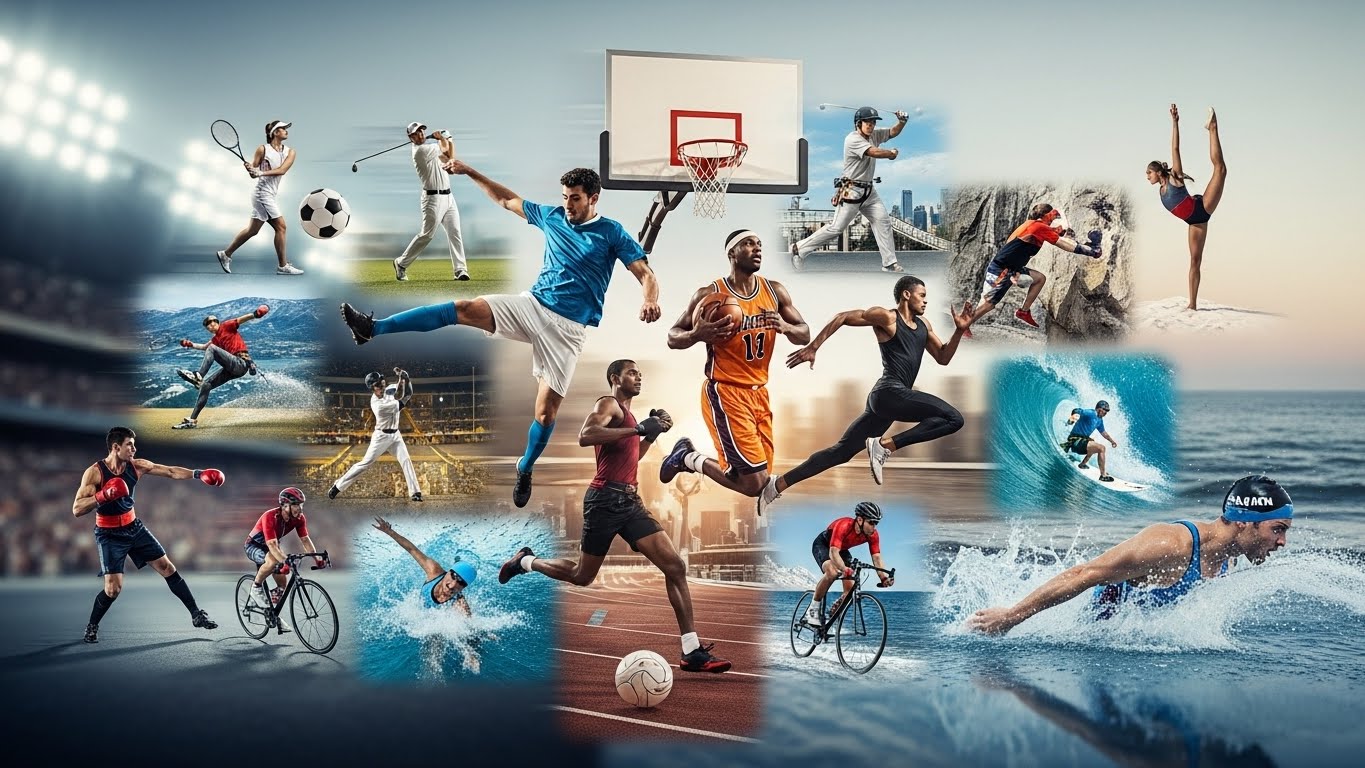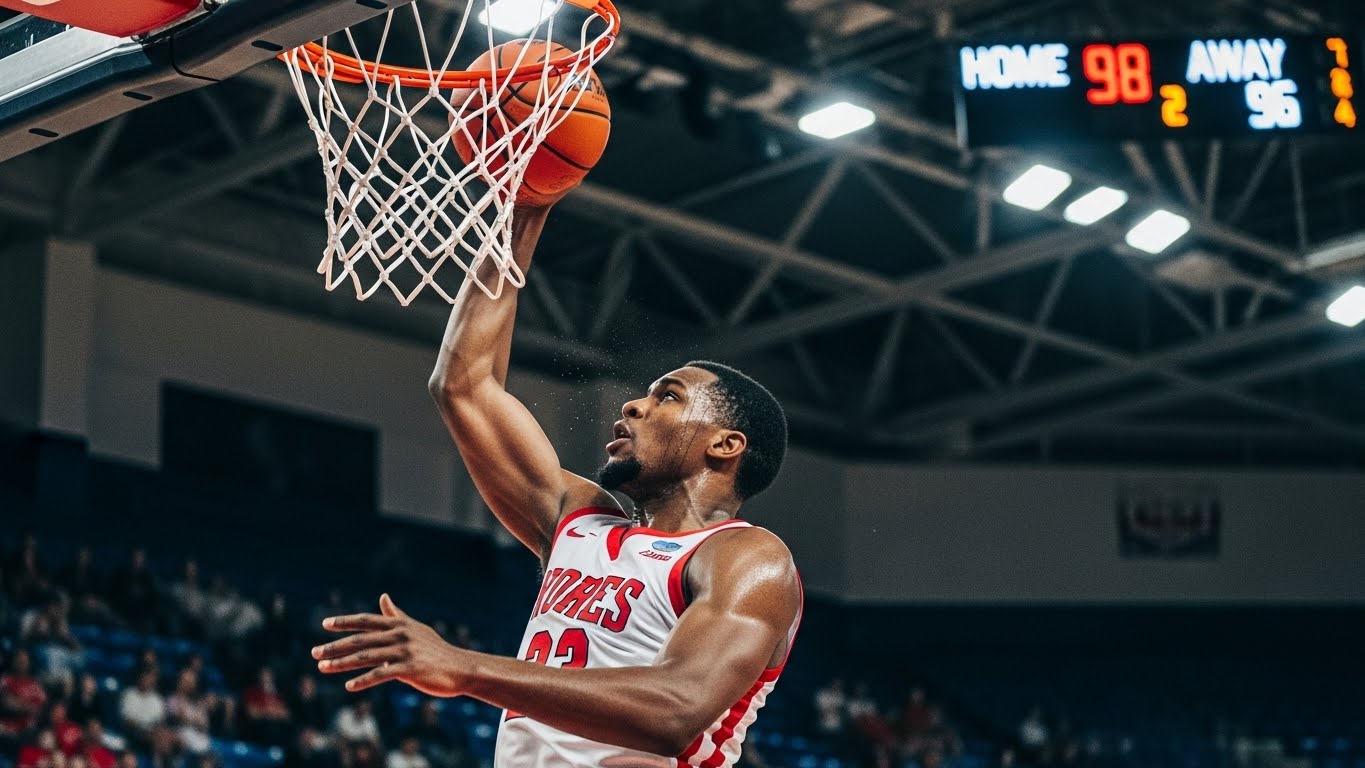
Sports are often seen as an activity reserved for the competitive, the athletic, or the physically gifted. However, their significance stretches far beyond the playing field. From enhancing mental health to fostering community spirit, sports play a crucial role in shaping our lives. In this post, we’ll explore the profound impact that sports can have on individuals and societies, highlighting the lessons, benefits, and personal growth that come from active participation in sports.
The Power of Physical Fitness
Physical health is one of the most immediate and obvious benefits of engaging in sports. Regular participation in sports activities such as running, swimming, soccer, or tennis has a wide range of positive effects on the body. Not only does it improve cardiovascular health, but it also helps to regulate weight, strengthen muscles, and improve flexibility. These health benefits are essential in preventing chronic conditions like diabetes, heart disease, and obesity.
What’s more, sports encourage consistency in physical activity, which is key to maintaining long-term health. A daily or weekly commitment to exercise through sports can contribute to a longer, healthier life. Whether you’re running a marathon or simply enjoying a game of basketball with friends, the physical benefits are undeniable.
Mental Health: Boosting Confidence and Reducing Stress
Beyond the physical aspect, sports have a profound impact on mental health. For many, physical exercise through sports is a natural way to release stress and anxiety. When we engage in physical activities, the brain releases endorphins, which are known to reduce stress and improve overall mood. This phenomenon is often referred to as the “runner’s high” or the feeling of euphoria that follows a strenuous workout.
Sports also provide an opportunity for individuals to build self-confidence. Whether through mastering a new skill, improving one’s fitness, or achieving a personal goal, sports help foster a sense of accomplishment and pride. Furthermore, sports encourage the development of mental resilience—learning how to handle failure, disappointment, and setbacks. In this way, sports become a tool for emotional growth, helping individuals manage life’s challenges in a healthier and more positive manner.
Building Teamwork and Social Connections
One of the most significant social benefits of sports is their ability to build teamwork and cooperation. Whether playing in a team sport or participating in group activities, individuals learn how to communicate, collaborate, and trust one another to achieve a common goal. The skills developed through teamwork are transferable to many aspects of life, including the workplace, family dynamics, and community involvement.
Furthermore, sports often bring people together from different walks of life, creating opportunities for socializing and building new relationships. Local community leagues, fitness classes, or sports clubs allow people to bond over a shared interest. For many, these interactions can lead to lasting friendships and a deeper sense of belonging within a community. Even for individuals who prefer solo sports, the environment of camaraderie and mutual support found in sports settings helps foster a sense of connection and inclusion.
The Role of Discipline in Personal Growth
Discipline is a cornerstone of sports, and the lessons learned from this structured environment extend far beyond the field. To succeed in any sport, individuals must commit to regular practice, adhere to routines, and push themselves beyond their comfort zones. The perseverance required to master a sport teaches individuals valuable life skills such as time management, consistency, and self-motivation.
In the competitive world of sports, athletes often face immense pressure to perform, and this can instill a sense of mental toughness and resilience. The ability to remain focused and composed under stress is a trait that serves athletes well in other areas of life, from professional endeavors to personal relationships. The discipline learned through sports ultimately shapes a person’s character, helping them to develop a strong sense of responsibility and accountability.
Sports as a Vehicle for Social Change
Sports have the power to unite people from diverse backgrounds and foster a spirit of global solidarity. Major international sporting events such as the Olympics and the FIFA World Cup transcend political and cultural boundaries, bringing people together to celebrate human achievement. In these moments, sports become a universal language, enabling individuals from different countries, races, and religions to connect on a shared basis of respect and admiration for the athletic spirit.
Sports have also been an important vehicle for social change. From Jackie Robinson breaking the color barrier in Major League Baseball to the global advocacy for gender equality in sports, athletes have often used their platforms to challenge societal norms and bring about lasting change. These actions highlight how sports can influence not just individual lives, but entire communities and even national conversations about issues of justice and equality.
The Future of Sports: Innovation and Inclusion
As we look toward the future, sports continue to evolve in exciting ways. Technological advancements are changing the way we train, compete, and experience sports. From virtual reality training to AI-driven performance analytics, technology is enhancing athletes’ abilities to reach new heights. Additionally, the rise of eSports has introduced a new wave of competition and entertainment, attracting a whole new generation of fans and participants.
Equally important is the ongoing push toward inclusivity in sports. Efforts are being made to ensure that everyone, regardless of gender, race, or ability, has access to sports and is able to participate on equal footing. This movement is driving changes in professional sports leagues, community programs, and school curricula to make sports more accessible and representative of all people.
Conclusion: Sports as a Life-Changing Force
The importance of sports in shaping our physical, mental, and social well-being cannot be overstated. From the obvious health benefits to the less tangible but equally important lessons in discipline, teamwork, and resilience, sports offer valuable life lessons for all who participate. Moreover, sports bring people together, fostering connections and inspiring positive change on a global scale.
Whether you’re an athlete, a casual participant, or a fan, the power of sports is clear. They encourage us to challenge ourselves, work with others, and embrace both victory and defeat with grace. In the end, the true essence of sports lies not just in the games we play, but in how they shape the people we become.