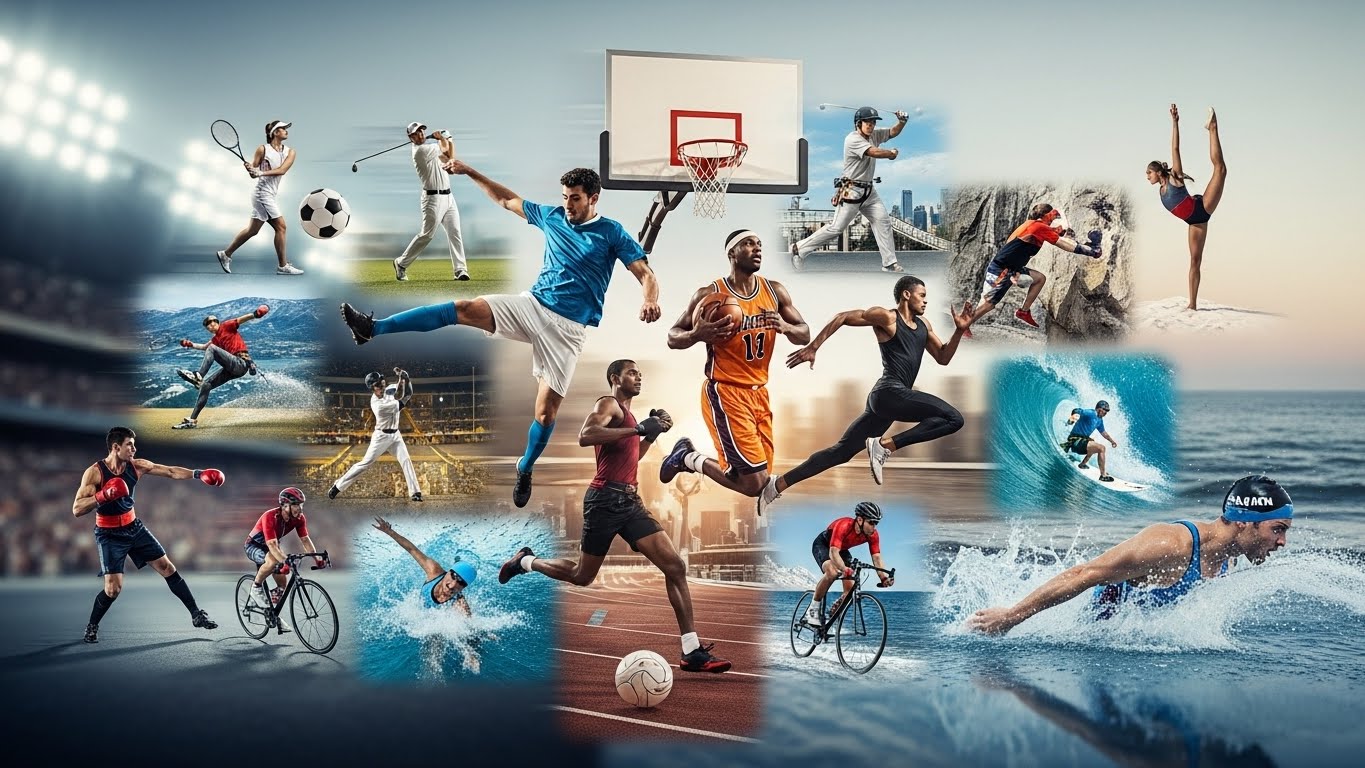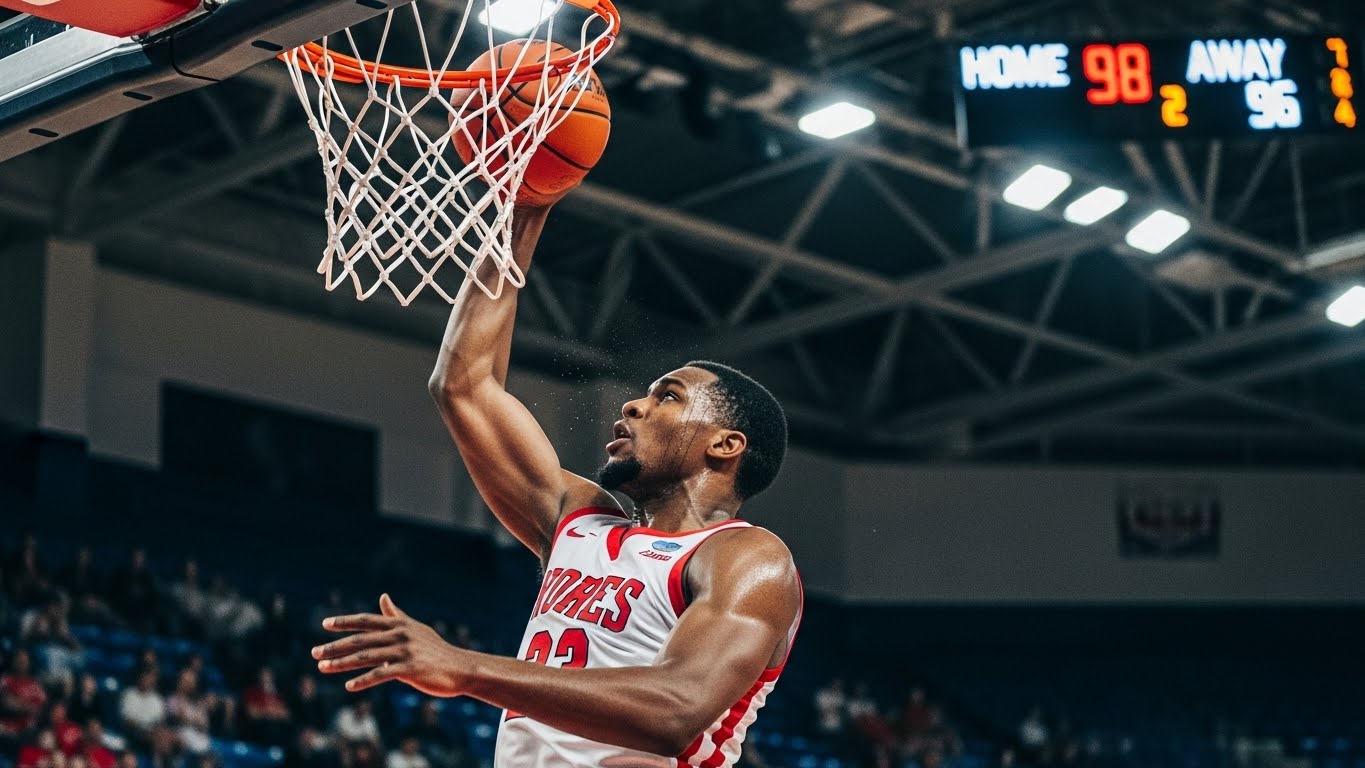
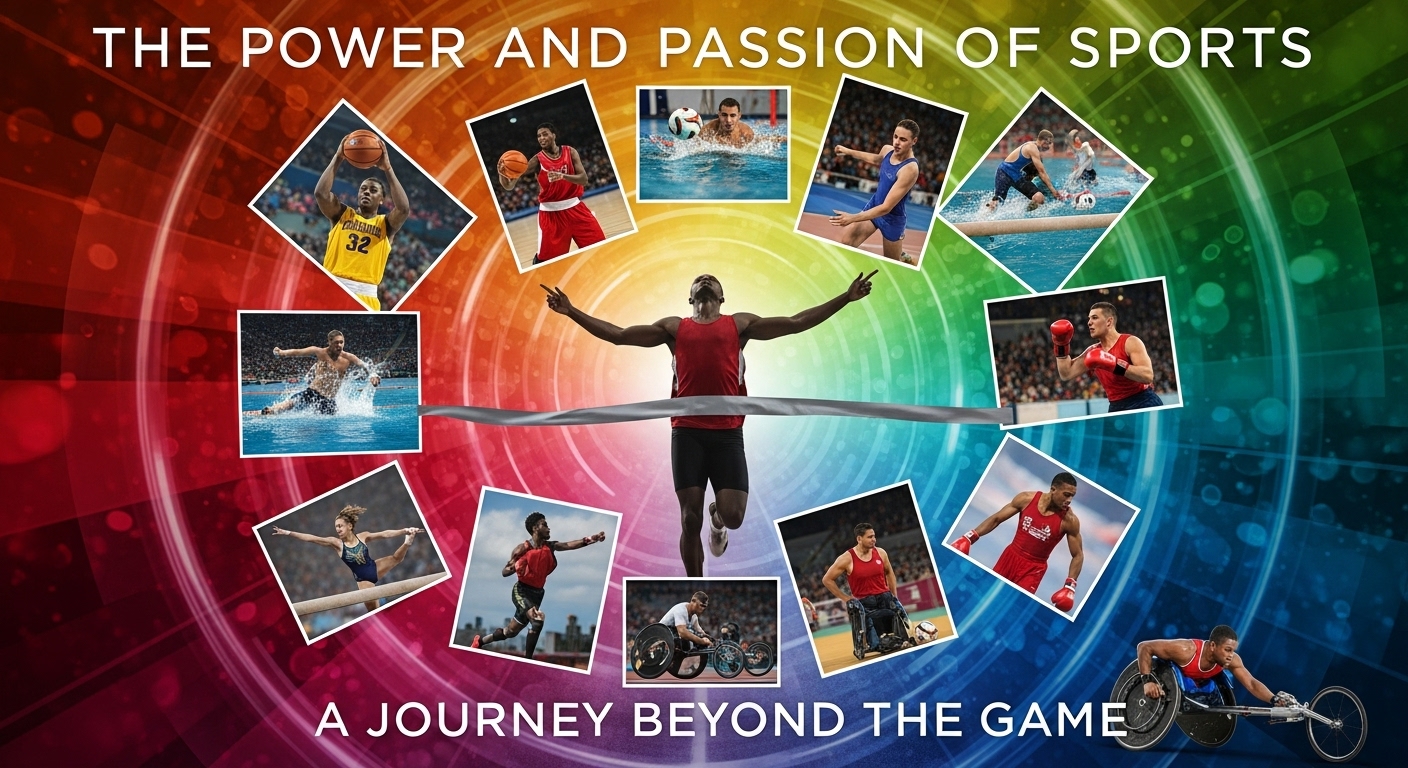
Sports have always been an inseparable part of human civilization, evolving alongside societies, cultures, and nations. From ancient arenas of Greece to the glittering stadiums of today, sports embody more than just physical competition—they represent the essence of humanity’s spirit. The world of sports transcends borders, languages, and beliefs, uniting people through shared emotion, perseverance, and pride. This blog explores the vast universe of sports, delving into their history, impact, psychological power, and future.
The Origins of Sports: From Survival to Celebration
The roots of sports stretch deep into ancient times when early humans competed not for medals but for survival. Hunting, running, and wrestling were initially necessary skills, yet over time, they evolved into displays of strength and honor. In ancient Egypt, wrestling and archery were practiced as both military training and entertainment. The Greeks formalized these contests into the Olympic Games around 776 BC, emphasizing excellence in body and mind.
Sports in early societies served not just as recreation but also as ritual. They were performed to honor gods, celebrate victories, and build community. The Roman Empire, for example, elevated athletic contests into massive spectacles in the Colosseum, where gladiators battled for fame and freedom. Similarly, traditional games across Asia, Africa, and the Americas carried cultural significance—demonstrating that sports have always been more than a pastime; they are a mirror reflecting the values and aspirations of a people.
The Evolution of Modern Sports
Modern sports emerged during the 19th century, particularly in Europe and North America, where structured rules, governing bodies, and organized competitions began to take shape. This era saw the birth of soccer, cricket, rugby, baseball, and basketball—games that today dominate global popularity.
With the Industrial Revolution came new leisure time for workers and the rise of urban centers, creating an environment ripe for organized sporting events. Educational institutions, especially in England, played a crucial role in formalizing sports. Schools like Eton and Harrow codified rules that would eventually spread worldwide, making sports part of global culture.
The modern Olympic Games, revived in 1896 by Pierre de Coubertin, reignited the ancient Greek tradition and provided a global stage for athletic excellence. Since then, sports have become an international language—one that communicates ambition, respect, and unity beyond words.
The Role of Sports in Society
Sports have a profound influence on society, shaping character, promoting health, and fostering unity. They teach essential values—discipline, teamwork, leadership, and perseverance. Athletes become role models, inspiring millions through their dedication and determination.
On a societal level, sports have been powerful tools for social change. Figures like Jackie Robinson broke racial barriers in baseball, while Billie Jean King championed gender equality in tennis. Nelson Mandela used the 1995 Rugby World Cup to unite a post-apartheid South Africa, demonstrating that sports can heal divisions that politics cannot.
In modern times, sports remain a platform for advocacy and awareness. From campaigns promoting mental health to movements addressing discrimination, the influence of athletes goes far beyond the field. Their voices amplify issues that matter, creating real-world impact and inspiring hope.
The Psychological Power of Sports
The emotional connection between athletes and fans is one of the most remarkable aspects of sports. The joy of victory and the agony of defeat are universal experiences that bind communities together. For players, the pressure and glory of competition shape their mental resilience, teaching them to handle both success and failure gracefully.
Psychologically, sports foster self-belief and confidence. Athletes learn the value of persistence—how to push through fatigue, injuries, and setbacks. This mindset, often referred to as the “champion’s mentality,” extends beyond the field into daily life.
For fans, sports provide a sense of belonging and identity. Supporting a team or player creates shared emotional experiences that transcend differences. It is not uncommon to see complete strangers embrace after a goal, a home run, or a buzzer-beater—proof that sports can dissolve barriers and generate pure human connection.
Physical Benefits and the Pursuit of Fitness
Sports promote health and wellness in ways that no other activity can match. Regular participation in physical activity improves cardiovascular health, builds muscle, enhances flexibility, and boosts overall mood. Whether it’s the endurance of a marathon runner, the agility of a gymnast, or the balance of a swimmer, every sport contributes to the development of physical excellence.
For youth, sports are essential to healthy growth. They instill habits of regular exercise and teach children the value of consistency. In an age where technology has made sedentary lifestyles common, sports serve as a vital reminder of the body’s need for movement and challenge.
Moreover, sports play a significant role in mental well-being. Exercise releases endorphins—the body’s natural mood enhancers—helping reduce stress and anxiety. This connection between physical and mental health highlights why sports remain one of the most effective outlets for personal development.
Team Sports: The Power of Collective Effort
Team sports such as football, basketball, cricket, and hockey epitomize cooperation and unity. They require coordination, communication, and trust among teammates, reflecting how individuals can achieve greatness through collaboration.
In a team environment, personal goals merge with collective objectives. Athletes learn that success is not just about individual performance but also about supporting others, understanding strategies, and maintaining mutual respect. The dynamics of teamwork found in sports often translate directly into other aspects of life—especially in business and relationships—where collaboration is equally essential.
Team sports also create lifelong bonds. The camaraderie shared among teammates often becomes one of the most cherished experiences of an athlete’s journey. The victories, losses, and countless hours of practice forge connections built on mutual respect and shared dreams.
Individual Sports: The Journey of Self-Mastery
While team sports emphasize unity, individual sports like tennis, golf, boxing, and athletics showcase personal mastery and mental fortitude. Competing alone requires intense focus, self-discipline, and accountability. Every victory or defeat rests solely on one’s own shoulders.
The solitary nature of individual sports teaches valuable lessons about resilience and self-motivation. Athletes in these fields must learn to overcome self-doubt, control emotions, and find inner strength. They become masters of their craft and of themselves.
Individual sports also highlight the beauty of personal expression. Every tennis player’s swing, every runner’s stride, and every gymnast’s routine reflects unique style and personality. This individuality makes sports not only a contest but also an art form—where human potential meets creativity.
The Business and Globalization of Sports
Sports have evolved into one of the largest industries in the world. Major leagues, sponsorships, and broadcasting rights generate billions of dollars annually, transforming athletes into global icons. Events such as the FIFA World Cup, the Olympics, and the Super Bowl attract massive audiences, influencing entertainment, fashion, and even politics.
The commercialization of sports has both advantages and challenges. On one hand, it has provided athletes with unprecedented opportunities and financial security. It has also funded facilities, academies, and community programs worldwide. On the other hand, the growing emphasis on profit can sometimes overshadow the original spirit of the game.
Nevertheless, globalization has made sports more inclusive. Technology allows fans from every corner of the world to experience live matches, follow favorite teams, and celebrate heroes together. Sports merchandise, fantasy leagues, and social media engagement have turned sports into a shared global culture.
Women in Sports: Breaking Barriers and Redefining Strength
The rise of women in sports stands as one of the most inspiring narratives in modern history. For centuries, female athletes faced social barriers, limited opportunities, and inequality. Yet through determination and courage, they have rewritten the story.
Icons like Serena Williams, Simone Biles, Megan Rapinoe, and Sania Mirza have proven that excellence knows no gender. Their achievements have inspired millions of young girls to pursue their dreams without fear.
Women’s participation in sports has also contributed to broader conversations about equality, representation, and empowerment. Today, female athletes are not only champions on the field but also influential voices advocating for fair treatment, visibility, and opportunity. The growth of women’s leagues, tournaments, and media coverage signifies a new era—one where athletic talent is celebrated universally.
Technology and the Future of Sports
The impact of technology on sports cannot be overstated. Innovations such as video replay, wearable sensors, and data analytics have revolutionized training, strategy, and officiating. Athletes now use biomechanics and virtual simulations to enhance performance, prevent injuries, and extend careers.
Artificial intelligence and machine learning are shaping the next frontier of sports. Teams analyze player data to optimize tactics, while fans enjoy immersive experiences through virtual reality and augmented broadcasts. Esports—a completely digital form of competition—has also emerged as a legitimate and lucrative sporting domain, attracting millions of players and spectators globally.
The future promises even greater integration between human ability and technological innovation. However, maintaining the essence of sports—the raw emotion, unpredictability, and human spirit—remains crucial.
The Cultural and Emotional Impact of Sports
Sports are deeply woven into cultural identity. They bring nations together during global tournaments, unite communities during local games, and inspire patriotism like few other activities can. The roar of a crowd during a goal, the silence before a serve, and the tears of victory or loss—these moments define our collective human experience.
Sports also provide stories of hope and redemption. Every athlete’s journey—from adversity to achievement—reflects universal human struggles. The underdog victories, the miraculous comebacks, and the display of humility in defeat remind us that sports mirror life itself.
Youth Development and the Next Generation
Sports shape the character of young people in ways that last a lifetime. They teach responsibility, discipline, and the value of hard work. Youth sports programs not only nurture future champions but also create healthier, more confident individuals.
Participation in sports encourages time management, teamwork, and resilience. It keeps young minds focused, reducing the likelihood of negative behaviors and promoting social connection. For many children, sports also open doors to education through scholarships and mentorship programs, proving that the playing field can be a pathway to a better future.
Sportsmanship: The True Essence of the Game
At the heart of every sport lies sportsmanship—the respect for opponents, referees, and the game itself. True sportsmanship goes beyond winning; it celebrates fairness, humility, and integrity. The handshake after a fierce match, the applause for an opponent’s effort, and the acceptance of defeat with grace all embody what sports truly stand for.
Sportsmanship reminds us that while competition drives performance, compassion and respect sustain the spirit of the game. It ensures that sports continue to unite rather than divide, inspire rather than discourage.
Conclusion: The Infinite Power of Sports
Sports are more than competition—they are a reflection of human endurance, creativity, and unity. They challenge us to strive for greatness, to respect diversity, and to embrace both victory and defeat with dignity.
From ancient gladiators to modern-day superstars, from dusty playgrounds to world-class arenas, the story of sports is the story of humanity itself—a tale of struggle, triumph, and endless passion.
As long as there are people who dream, strive, and believe, sports will continue to flourish—bringing hope, health, and harmony to the world.