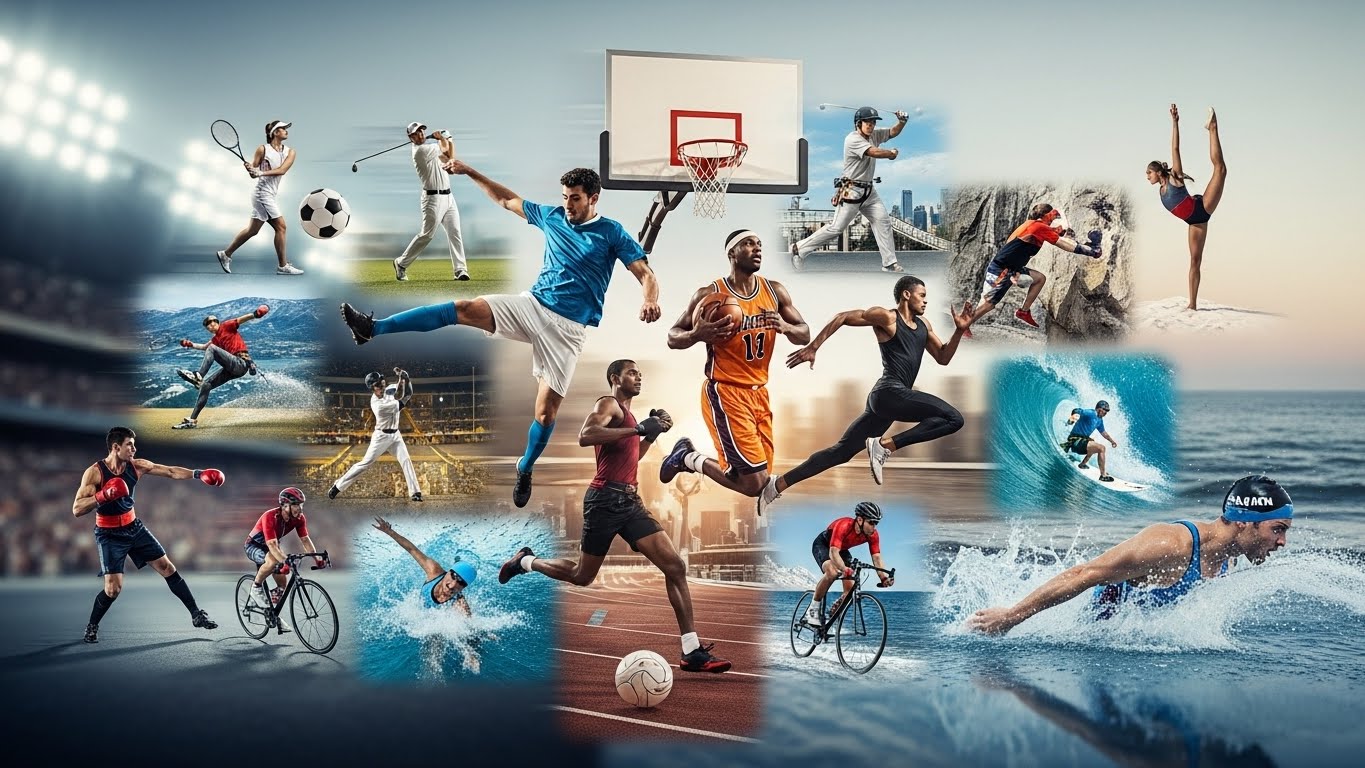
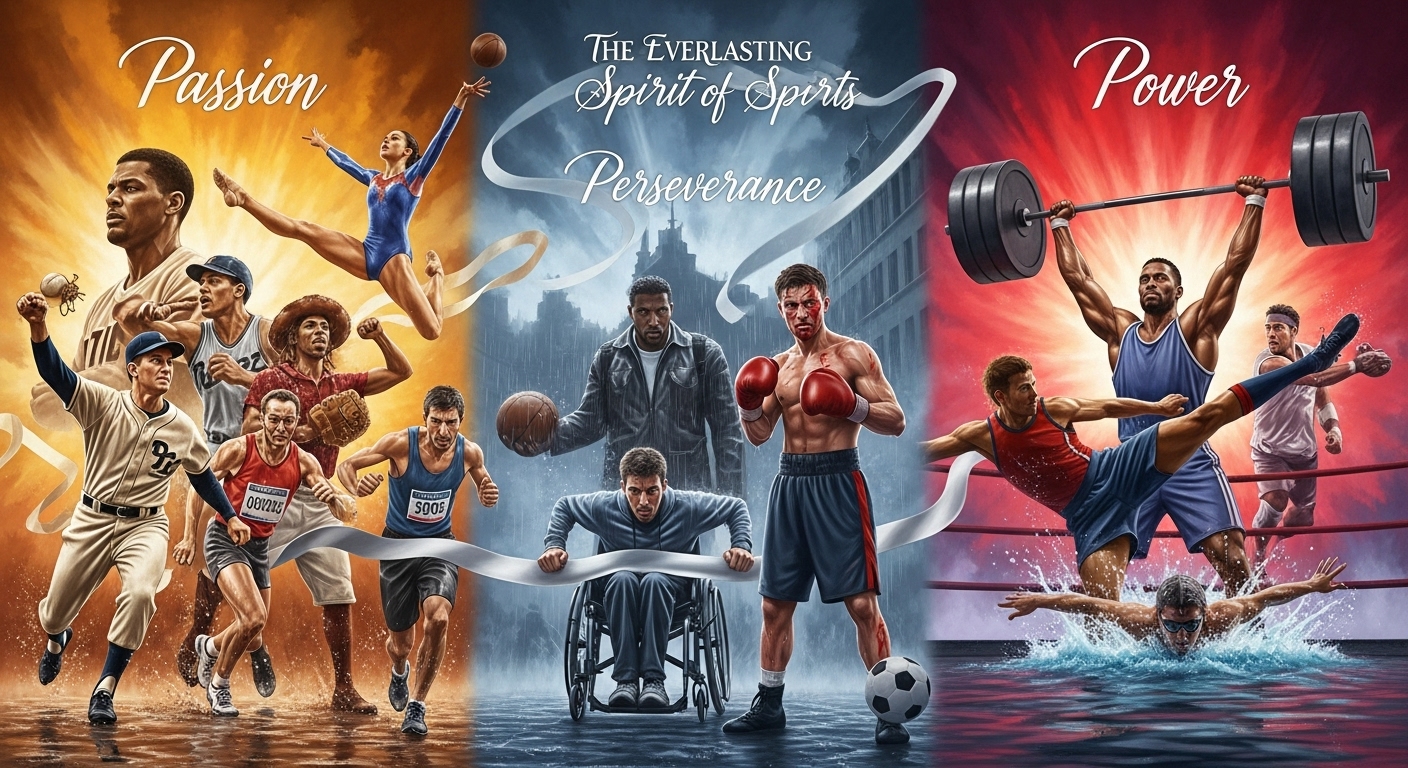
Sports are one of the most powerful and unifying forces in human society. Across centuries, cultures, and continents, the love of competition, teamwork, and excellence has brought people together. Whether it is a child kicking a ball in a dusty playground or professional athletes competing in front of millions, sports symbolize much more than games. They reflect courage, discipline, hope, and the undying human spirit. This blog explores the vast and fascinating world of sports—their history, cultural significance, benefits, challenges, and their impact on modern life.
The Origins of Sports
The history of sports dates back thousands of years. In ancient civilizations like Egypt, Greece, China, and Rome, physical competition was already an important part of daily life. The ancient Greeks gave the world the Olympic Games, first held in 776 BC, which celebrated not only athletic skill but also peace and unity among warring states. In China, martial arts and archery flourished as symbols of discipline and honor. The Romans, known for their gladiatorial contests, showcased a more brutal form of sport but one that demonstrated courage and endurance.
As centuries passed, sports evolved from rituals and survival skills into organized activities. In medieval Europe, knights participated in jousting tournaments, while peasants engaged in football-like games. In South America, the ancient Mayans and Aztecs played the “ball game,” which carried deep spiritual meaning. Every culture developed its own form of athletic expression, proving that the desire to compete and excel is a universal human instinct.
The Evolution of Modern Sports
The modern era of sports began during the 19th century when industrialization changed society. As cities grew, so did leisure time, and organized sports began to emerge. Rules were standardized, teams were formed, and competitions were held regularly. Britain played a key role in shaping many of today’s popular sports—football, cricket, rugby, and tennis all have their roots there.
The late 19th and early 20th centuries also saw the revival of the Olympic Games. The first modern Olympics were held in Athens in 1896, reviving the ancient Greek tradition and promoting international peace through competition. Since then, the Olympics have become a global festival of human achievement, featuring athletes from every corner of the world.
With the rise of technology, transportation, and media, sports spread rapidly. Professional leagues were established, stadiums were built, and fans began following their favorite teams with deep passion. Sports became not only entertainment but also a major industry.
The Cultural Significance of Sports
Sports are not just physical contests; they are cultural celebrations. They shape identities, foster unity, and often serve as symbols of national pride. When a country wins a World Cup or an Olympic medal, the victory is felt collectively by millions. Flags wave, anthems echo, and people celebrate as one nation.
For example, football (soccer) is more than a game in countries like Brazil, Argentina, and Spain—it is a way of life. In the United States, sports like basketball, baseball, and American football are part of the cultural fabric. In South Asia, cricket holds a similar place, capable of bringing entire nations to a standstill during major tournaments.
Sports also transcend language and politics. A single match can build bridges where words fail. When North and South Korea marched together at the Olympics, or when nations competed peacefully despite historical tensions, it reminded the world that sports have the power to unite where diplomacy cannot.
The Psychological and Social Benefits of Sports
Sports contribute immensely to both physical and mental health. Regular participation builds fitness, strengthens muscles, and improves endurance. But beyond the physical, sports also nurture essential psychological qualities—discipline, resilience, confidence, and teamwork.
For children, sports are a foundation for learning life lessons. They teach how to handle success gracefully and failure courageously. Losing a game can be as valuable as winning one, as it builds humility and determination. Young athletes develop leadership, communication, and time management skills, all of which are useful beyond the playing field.
For adults, sports offer a form of stress relief and social connection. Playing tennis after work or joining a local football league fosters community bonds and provides a healthy outlet for emotions. Studies have shown that regular sports participation reduces anxiety, depression, and feelings of isolation.
The Economic Impact of Sports
Sports are also a massive economic powerhouse. From ticket sales to broadcasting rights, merchandise, sponsorships, and tourism, the sports industry generates billions of dollars annually. Major events like the FIFA World Cup, the Super Bowl, and the Olympic Games draw global audiences and stimulate local economies.
Cities that host such events experience a surge in infrastructure development—new stadiums, hotels, and transportation systems. Athletes become global brands, and companies compete to associate their products with the prestige of sports. Even at local levels, sports clubs and tournaments provide employment opportunities for coaches, trainers, event organizers, and medical professionals.
However, the economic aspect of sports also brings challenges. The growing commercialization sometimes overshadows the true spirit of competition. Rising player salaries, advertising dominance, and corruption scandals remind us that the balance between passion and profit must be maintained.
Women in Sports: Breaking Barriers
For centuries, sports were considered a male domain. Women faced social, cultural, and institutional barriers that kept them from competing or being recognized. But history is full of women who defied norms and changed the landscape of sports forever.
In the early 20th century, female athletes began making their mark despite limited opportunities. Over time, pioneers like Billie Jean King in tennis, Jackie Joyner-Kersee in athletics, and Serena Williams in modern times became global icons of strength and equality. Their achievements have inspired millions of young girls to pursue sports careers.
Today, women’s sports are gaining visibility and respect worldwide. Women’s football leagues are growing, female athletes are breaking world records, and more equal pay discussions are taking center stage. Yet, challenges remain—such as media bias, unequal sponsorship deals, and limited coverage. But the progress made so far shows that the future of women in sports is brighter than ever.
The Role of Technology in Modern Sports
Technology has revolutionized sports in countless ways. From performance tracking devices to video analysis and virtual reality training, athletes today have access to tools that were unimaginable decades ago. Coaches can analyze every movement, adjust strategies, and optimize performance using data-driven insights.
Broadcast technology has also transformed how fans experience sports. High-definition television, live streaming, instant replays, and interactive commentary bring games to life for audiences around the world. Social media allows fans to connect directly with athletes, creating a global community of supporters.
Even in equipment design, technology has made a huge impact. Lighter running shoes, aerodynamic swimsuits, advanced rackets, and sensor-based helmets have all enhanced performance while improving safety. Esports, or competitive video gaming, has even emerged as a new frontier, blurring the lines between physical and digital competition.
Sports and Education
Sports play a vital role in education. Schools and universities use athletics as a tool to promote discipline, teamwork, and leadership among students. Student-athletes learn how to balance academics with sports, preparing them for the challenges of life.
Many educational institutions also use sports scholarships to recognize talent and provide opportunities for deserving students. These programs help young people pursue higher education while continuing to develop their athletic skills. The values learned through sports—such as perseverance, respect, and cooperation—become essential life lessons that extend far beyond the classroom.
The Dark Side of Sports
While sports bring joy and unity, they also face serious challenges. Corruption, doping, match-fixing, and excessive commercialization threaten the integrity of competition. Some athletes resort to performance-enhancing drugs to gain an unfair advantage, damaging both their health and the spirit of fair play.
Additionally, the pressure to win can lead to mental health issues. The expectations of fans, sponsors, and media can be overwhelming, causing stress, anxiety, and even burnout. In recent years, several athletes have spoken openly about their struggles with mental health, helping to break the stigma and promote support systems.
Violence in sports—both on and off the field—also remains a concern. Hooliganism, aggressive behavior, and unethical conduct can tarnish the image of games. Addressing these issues requires collective effort from governing bodies, coaches, players, and fans alike.
The Role of Sports in Building Global Peace
Sports have always been a symbol of peace and diplomacy. They bring people together, regardless of race, religion, or nationality. The concept of “sports diplomacy” has been used to strengthen international relations and promote understanding among nations.
Events like the Olympics and Paralympics showcase the power of inclusivity and unity. When athletes from around the world march together under one flag, it sends a powerful message that competition can coexist with harmony. Programs that use sports to promote peace in conflict zones have shown promising results in reducing violence and building trust.
Sports also play a vital role in humanitarian causes. Athletes often use their influence to raise awareness for social issues, from poverty and education to equality and environmental protection. In this way, sports become more than entertainment—they become a platform for change.
The Spirit of Sportsmanship
At the heart of every sport lies the spirit of sportsmanship. Winning is important, but integrity, respect, and fairness are what truly define a great athlete. The handshake after a match, the applause for an opponent’s effort, and the humility in victory or defeat are gestures that embody the essence of true competition.
Sportsmanship reminds us that success is not measured only in trophies but in character. It teaches people to compete hard but with respect, to push limits without losing humanity, and to celebrate both effort and excellence. This moral foundation ensures that sports continue to inspire future generations.
The Future of Sports
The future of sports is full of promise and innovation. As technology continues to evolve, we may see even more personalized training, virtual competitions, and sustainable sporting events. The focus on mental health, inclusivity, and environmental responsibility is growing, shaping a more ethical and balanced sports culture.
Esports and virtual reality are expanding what we consider “sports,” creating new opportunities for athletes and fans alike. Meanwhile, traditional sports are embracing diversity and gender equality, ensuring that everyone has a place to compete and be celebrated.
As long as human beings continue to strive for excellence, the spirit of sports will never fade. It will keep evolving, inspiring, and reminding us of what is possible when determination meets passion.
Conclusion
Sports are a mirror of humanity—they reflect our dreams, struggles, and triumphs. From ancient arenas to modern stadiums, from local playgrounds to global stages, the love of sports continues to unite people across borders and generations. It is more than competition; it is a language of hope, courage, and unity.
Through victories and defeats, records and memories, sports remind us of one simple truth: greatness is not just about being the best—it is about giving your best. Whether you are a player, a fan, or simply someone who admires the effort behind every game, sports hold a place in your heart because they capture what it means to be human.