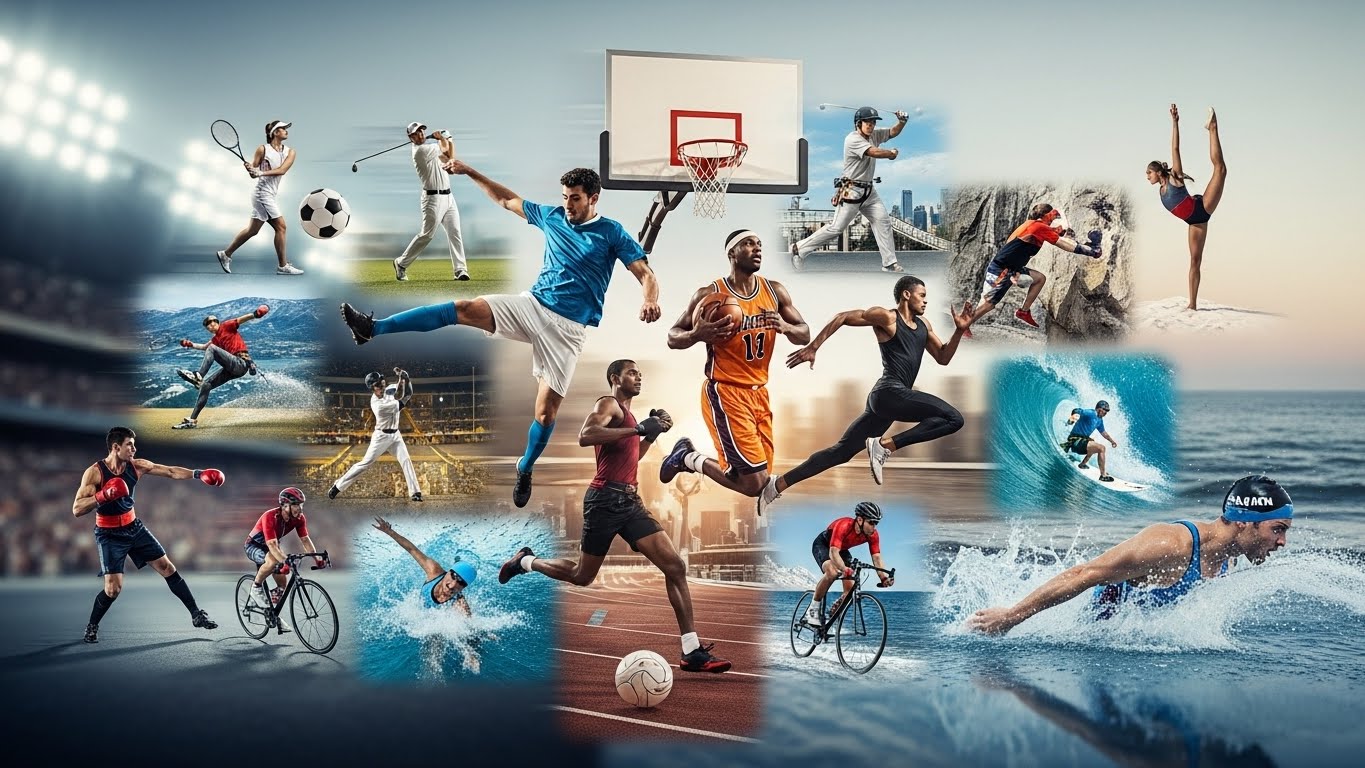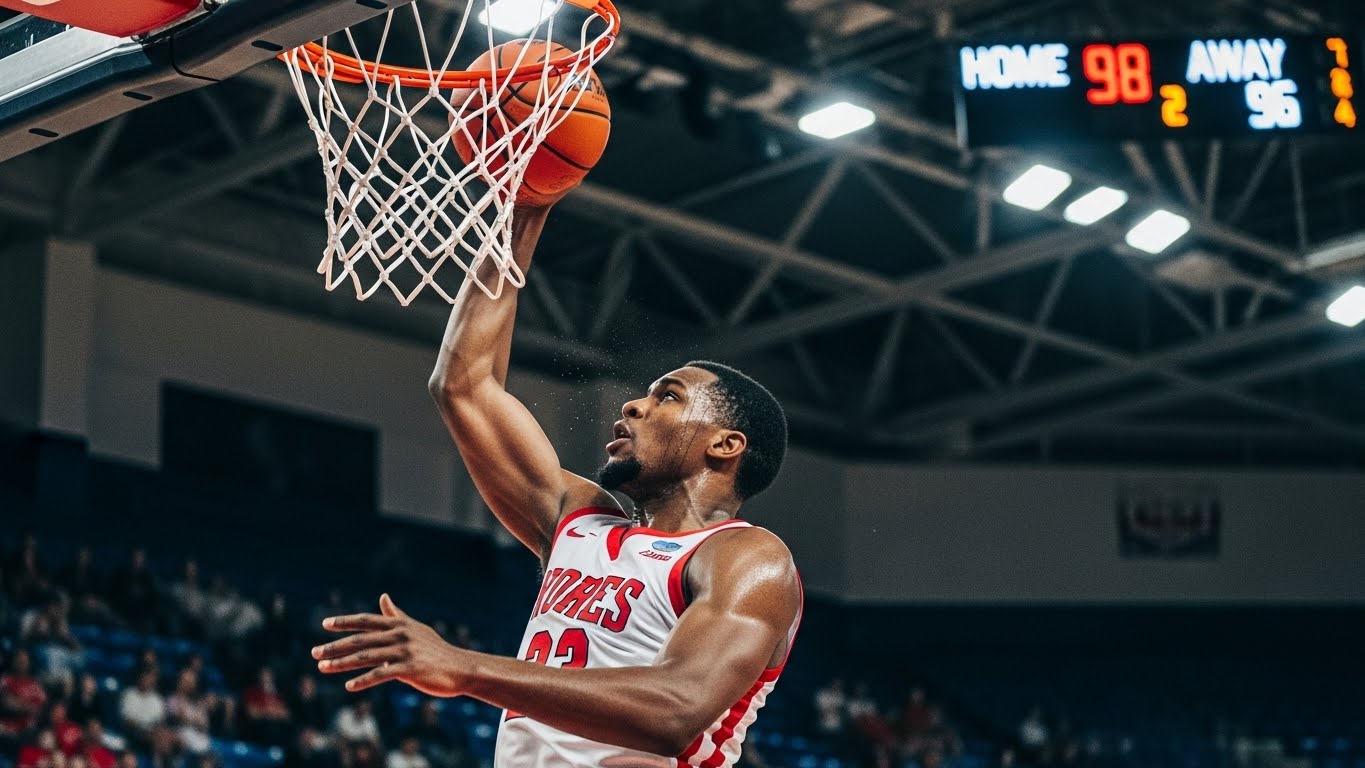
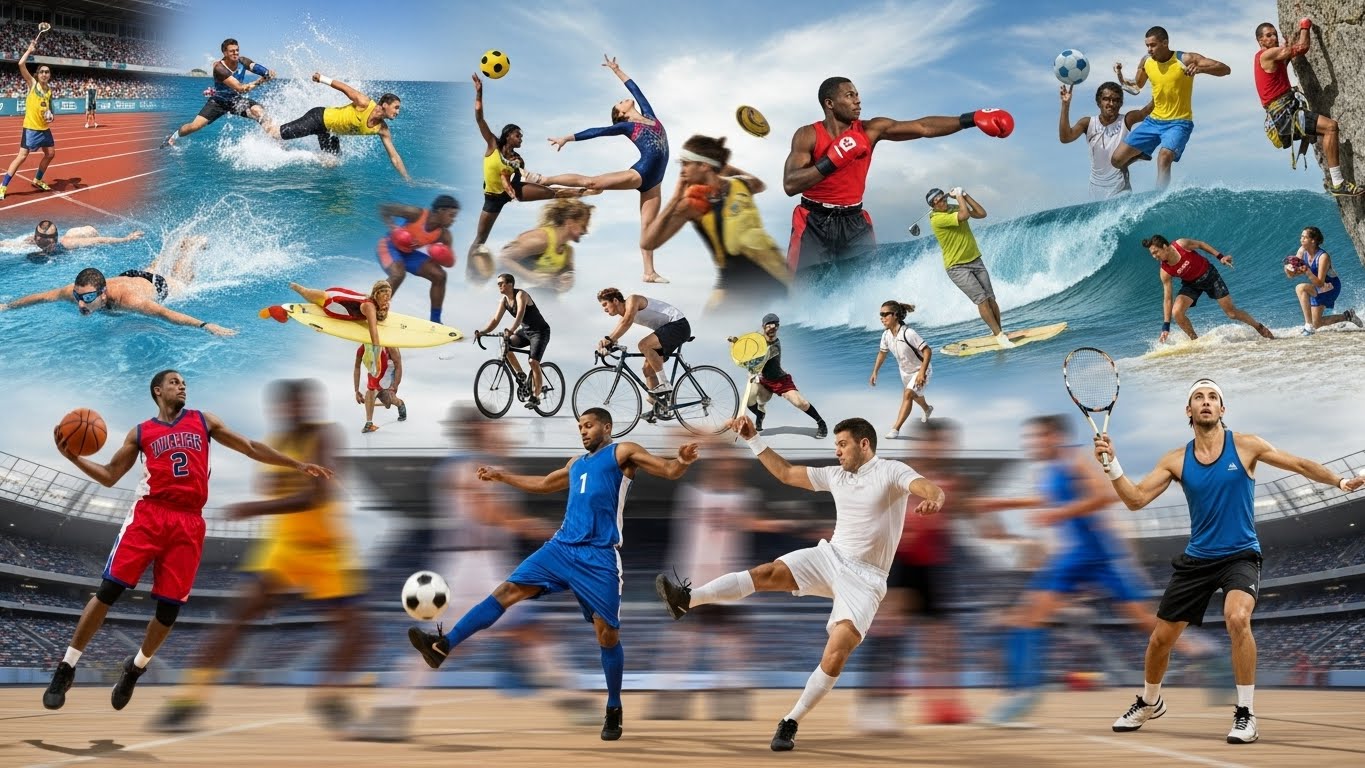
Sports have been a cornerstone of human culture since ancient times. They are not merely a way to pass time or entertain crowds but a profound expression of human ambition, teamwork, and resilience. From the primitive games played in tribal communities to the grand spectacles of modern international tournaments, sports have consistently reflected the values and aspirations of societies. This article explores the various dimensions of sports, from physical and mental benefits to social impact and cultural significance.
The Physical Power of Sports
The most obvious advantage of participating in sports is physical well-being. Regular engagement in sports strengthens muscles, improves cardiovascular health, enhances flexibility, and increases endurance. Activities like running, swimming, football, and basketball not only promote physical fitness but also help prevent chronic diseases such as obesity, diabetes, and heart conditions.
Sports also play a critical role in developing coordination, balance, and agility. Children who engage in activities like gymnastics, martial arts, or team sports cultivate motor skills that serve them throughout life. For adults, regular physical activity reduces the risk of injury, maintains bone density, and promotes longevity. The physical demands of sports teach the body to adapt, respond, and overcome challenges, making participants more resilient both on and off the field.
Mental and Psychological Benefits
Beyond physical fitness, sports have a profound impact on mental health. Exercise releases endorphins, which act as natural mood enhancers. Engaging in sports can reduce stress, alleviate anxiety, and combat symptoms of depression. People who actively participate in sports often report higher self-confidence, improved focus, and better emotional stability.
Sports also instill discipline and self-motivation. Athletes learn to set goals, maintain consistency, and persevere through challenges. The competitive nature of sports teaches individuals how to handle both victory and defeat gracefully. In team sports, players develop communication skills, empathy, and emotional intelligence, which are invaluable in personal and professional relationships.
Building Social Connections Through Sports
Sports have a unique ability to connect people from all walks of life. Stadiums, playgrounds, and local sports clubs become social hubs where individuals share experiences, celebrate victories, and support each other in defeat. The bonds formed on the field often translate into lasting friendships, fostering a sense of belonging and community.
Participating in sports teaches teamwork, cooperation, and conflict resolution. Players learn to trust each other, coordinate strategies, and respect different perspectives. Team sports, in particular, emphasize collective effort over individual glory, nurturing collaboration and mutual respect. Even in individual sports, athletes engage with coaches, trainers, and peers, creating networks that enrich social interactions and build supportive communities.
Cultural Significance of Sports
Sports are deeply intertwined with cultural identity. From the Olympic Games of ancient Greece to cricket in India and baseball in the United States, sports reflect the traditions, values, and history of societies. They serve as a mirror of human creativity, skill, and competition, offering insights into the collective psyche of civilizations.
Major sporting events like the World Cup or the Olympics transcend boundaries, bringing together diverse cultures in celebration of human achievement. They provide a platform for cultural exchange and global understanding, where athletes become ambassadors of their countries. Even local sports preserve cultural heritage by maintaining traditional games, customs, and practices that might otherwise be forgotten.
Sports and Personal Growth
Engaging in sports fosters personal development beyond physical and mental health. Discipline, time management, and goal-setting are fundamental aspects of athletic training. Athletes learn to prioritize, focus, and navigate challenges with resilience. The lessons learned on the field often translate into everyday life, enhancing professional performance and personal decision-making.
Sports also teach ethical behavior and integrity. Respect for opponents, adherence to rules, and fair play are values that shape character. The experience of competing with honor fosters a strong sense of responsibility and moral judgment, contributing to the formation of principled and reliable individuals.
The Evolution of Sports
Sports have evolved dramatically over the years. Technological advancements have transformed training, performance analysis, and the way fans engage with sports. Wearable devices, video analysis tools, and virtual simulations enable athletes to maximize performance, prevent injuries, and refine techniques.
Commercialization has further reshaped sports, turning them into a global industry. Professional leagues, sponsorship deals, and broadcasting rights have created economic opportunities while expanding the reach and influence of sports. While some argue that commercialization may compromise the purity of competition, it has undeniably made sports more accessible, inspiring millions of fans worldwide.
Sports in Education
Incorporating sports into education provides holistic development for students. Physical education programs enhance fitness, improve cognitive function, and promote healthy habits. Children who actively participate in sports often excel academically, as physical activity enhances focus, memory, and problem-solving skills.
Educational institutions that emphasize sports cultivate well-rounded individuals. Team participation teaches leadership, collaboration, and resilience. Competitions in schools and colleges prepare students for real-world challenges, promoting both intellectual growth and emotional maturity. Integrating sports into education ensures students grow into healthy, confident, and socially capable adults.
Gender Equality and Inclusion in Sports
Historically, sports were dominated by men, but recent decades have witnessed significant progress toward gender equality. Women athletes are increasingly recognized, celebrated, and provided with opportunities to compete at all levels. Breaking stereotypes and challenging social norms, female athletes inspire generations and redefine possibilities.
Inclusion extends beyond gender. Adaptive sports programs enable individuals with disabilities to participate fully, fostering empowerment and self-confidence. By promoting accessibility and equal opportunities, sports become a platform for social change, encouraging diversity, equality, and fairness.
Technology and Innovation in Sports
Modern sports are shaped by technology in unprecedented ways. Advanced analytics, smart training equipment, and injury prevention devices enhance performance and safety. Video analysis and instant replay systems ensure fair competition, while wearable technology tracks fitness levels and optimizes training regimes.
Digital platforms have revolutionized how fans engage with sports. Real-time updates, interactive experiences, and global broadcasts bring audiences closer to events and athletes than ever before. Technology not only improves performance but also strengthens the connection between sports and their audiences, making the world of sports more inclusive and dynamic.
The Future of Sports
The future of sports is poised for exciting developments. With artificial intelligence, virtual reality, and sustainable practices, sports will continue to evolve while maintaining their core principles of competition, teamwork, and personal growth. Young athletes will benefit from advanced data-driven training, safer equipment, and broader access to opportunities.
Sports will remain a vital force in society, promoting health, education, and community engagement. They inspire individuals, unify communities, and celebrate human potential. As innovation continues to shape the landscape, the spirit of sports will endure, reminding us that the pursuit of excellence and joy through play is timeless.
Conclusion
Sports are far more than a pastime; they are a reflection of human resilience, creativity, and social connection. They shape bodies, minds, and societies, offering lessons that extend far beyond the field. From improving physical fitness and mental well-being to fostering social bonds and cultural identity, sports touch every aspect of life. Engaging in sports is not just about competition; it is about embracing growth, teamwork, and the unyielding human spirit. To play, watch, and celebrate sports is to participate in a universal journey that unites people across generations, cultures, and continents.