Introduction
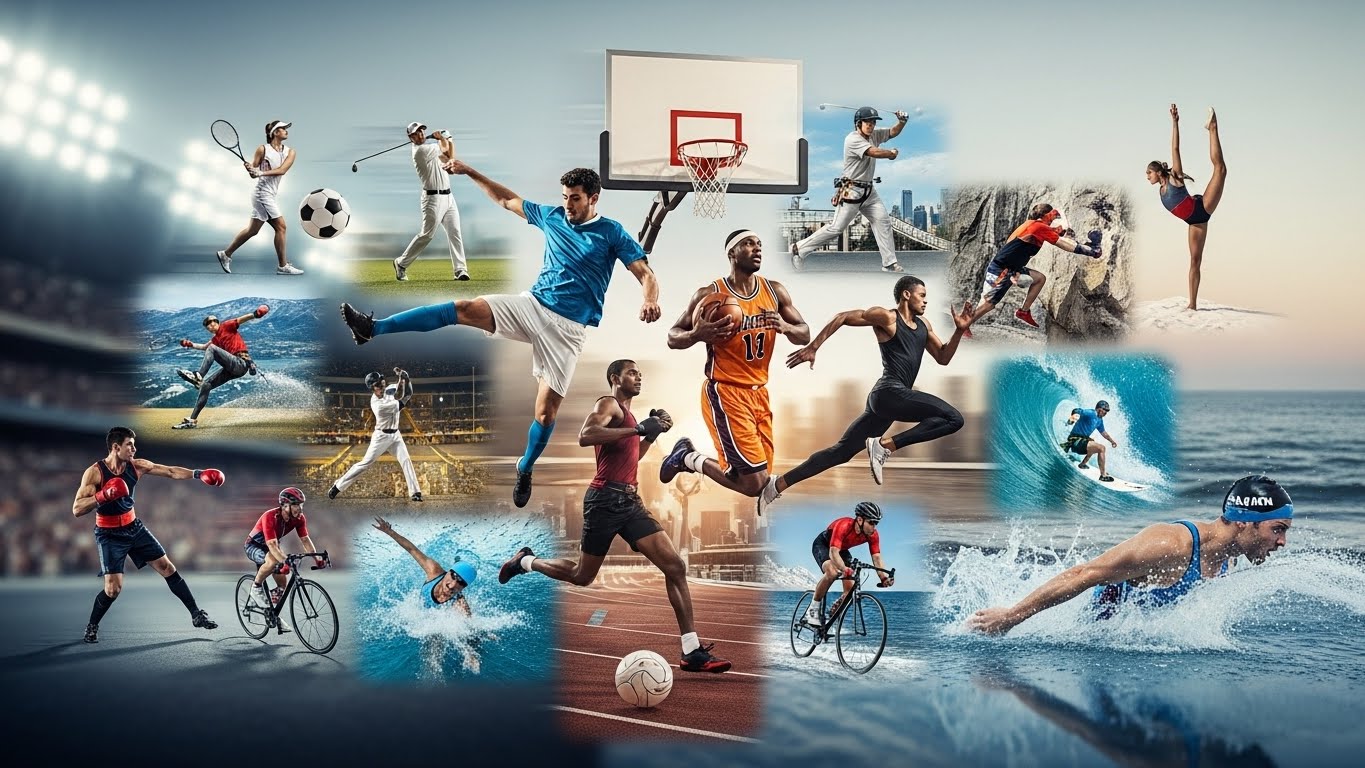
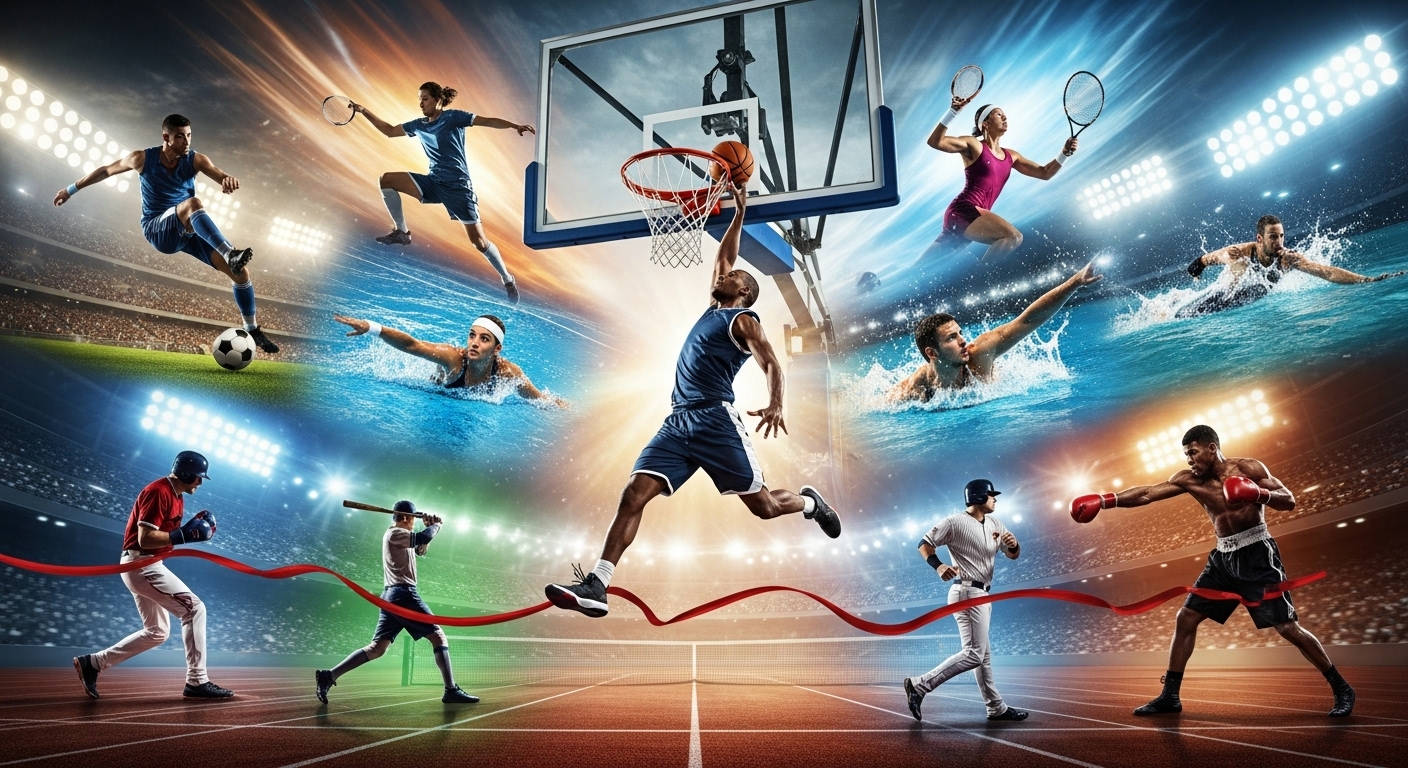
Sports are an essential part of human culture, a universal activity that transcends borders, ages, and backgrounds. From a young child’s first kick of a soccer ball to professional athletes competing on the world stage, sports offer more than just entertainment. They shape communities, teach valuable life lessons, and bring people together in ways that few other activities can. In this blog, we will explore the transformative power of sports, examining how it influences individual lives, society, and the world at large.
The Universal Appeal of Sports
Sports have an innate ability to unite people across the world. Whether it’s a local neighborhood game or a global event like the FIFA World Cup, sports break down barriers, offering a shared language for people from diverse cultures. The passion and excitement that fans experience while cheering for their teams transcends geographic, linguistic, and cultural differences. Sports create common ground where people can connect, irrespective of their background or beliefs.
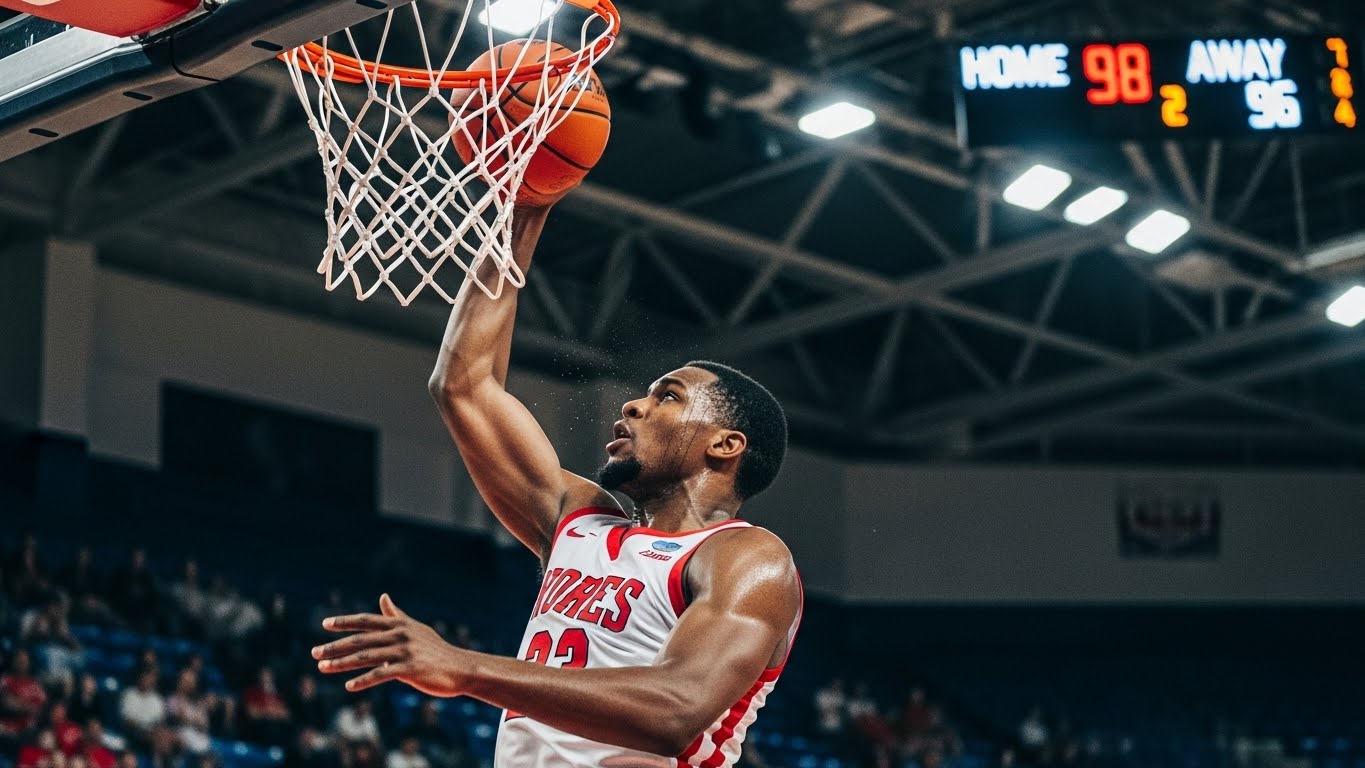
Every sport, whether it’s soccer, basketball, cricket, or athletics, has a global following. Local communities gather around sports teams, creating an environment of support and camaraderie. Major events like the Olympics and the World Cup go beyond competition, bringing nations together to celebrate human achievement and collective spirit.
Sports as a Catalyst for Personal Development
Engaging in sports is not just about physical exercise; it is a powerful tool for personal development. Whether at a competitive or recreational level, sports can have a profound impact on one’s character and mindset. Participation in sports teaches a wide array of life skills that are invaluable beyond the field of play.
Discipline and Commitment
One of the most significant lessons taught by sports is discipline. Athletes train rigorously, develop routines, and commit to regular practice. The discipline instilled through sports extends to all areas of life, including education, career, and relationships. Learning to stick to a schedule and push through obstacles is a trait that helps individuals succeed in their personal and professional endeavors.
Teamwork and Collaboration
In team sports, collaboration is key. Athletes learn to work with others, relying on teammates and contributing to a collective goal. Team sports emphasize that success is often achieved through shared effort, not individual brilliance. This cooperative mindset fosters a sense of belonging and encourages athletes to think beyond their own interests.
Resilience and Mental Toughness
Sports are also an excellent platform for building resilience. Athletes face setbacks—injuries, losses, or periods of underperformance—but the ability to overcome adversity is a skill that sports instill in individuals. Overcoming failure and pushing forward despite challenges builds mental toughness, a quality that benefits individuals in all aspects of life.
Physical and Mental Health Benefits of Sports
The benefits of sports go beyond character-building; they have a direct impact on physical and mental health. Regular participation in sports helps individuals maintain a healthy body, improve fitness, and enhance well-being.
Physical Health
Engaging in sports is one of the best ways to stay fit. Whether through running, swimming, cycling, or playing team sports, the physical activity involved strengthens muscles, improves cardiovascular health, and boosts stamina. Sports also promote flexibility and coordination, reducing the risk of chronic diseases such as heart disease, obesity, and diabetes.
Mental Health
In addition to physical benefits, sports have a significant impact on mental health. Physical activity triggers the release of endorphins, chemicals in the brain that improve mood and reduce stress. For many, sports offer a natural outlet for anxiety, depression, and other mental health challenges. The focus required during play can also serve as a form of meditation, allowing individuals to disconnect from daily worries and be fully present in the moment.
Improved Cognitive Function
Sports also have cognitive benefits, improving concentration, memory, and problem-solving skills. In team sports, athletes must think quickly, make strategic decisions, and adapt to changing circumstances. These mental exercises strengthen the brain, improve reaction time, and develop critical thinking.
Sports as a Social Equalizer
Sports have long been celebrated for their ability to break down social and economic barriers. Whether it’s a game played in a park, a school sports day, or a professional match, sports level the playing field for people of all backgrounds.
Inclusivity and Opportunity
For many individuals, sports offer an opportunity to showcase talent regardless of their social or economic status. In communities where resources may be scarce, sports provide an alternative path for young people to gain recognition and build a sense of self-worth. Athletes from humble backgrounds often rise to prominence through their dedication to the game, inspiring others in their communities to pursue their dreams.
Breaking Down Prejudices
Sports also have a unique ability to challenge stereotypes and prejudices. Historically, athletes from marginalized communities have used sports to combat discrimination, creating spaces where individuals are judged not by their race, gender, or economic status, but by their abilities and efforts on the field. Icons such as Jackie Robinson, Serena Williams, and Muhammad Ali have used sports as a platform for social change, paving the way for greater equality and inclusion.
The Economic Impact of Sports
Sports are not only a cultural phenomenon; they are also an economic powerhouse. From grassroots leagues to the world’s most watched events, the sports industry generates billions of dollars annually. This economic impact is felt in numerous areas, from local businesses to multinational corporations.
Job Creation and Local Economies
The sports industry provides millions of jobs globally. Professional teams employ athletes, coaches, and administrative staff, while local leagues offer positions for coaches, referees, and event organizers. Additionally, sporting events generate significant revenue for cities, driving tourism and boosting local businesses. Hotels, restaurants, and transportation services see a surge in demand during major sporting events, contributing to the local economy.
Sponsorship and Advertising
The financial landscape of sports is also shaped by sponsorships and advertising. Brands partner with athletes, teams, and events to promote their products, making sports an essential platform for marketing. Major sponsorships, such as those from Nike, Adidas, and Coca-Cola, bring in billions of dollars and help fund sporting organizations and initiatives.
Global Broadcasting
With the rise of global media, sports have become a highly profitable sector for broadcasters. Television networks and digital platforms pay enormous amounts for broadcasting rights to major events like the World Cup, Super Bowl, and Olympic Games. These events attract millions of viewers worldwide, contributing to the global reach and financial growth of sports.
The Challenges and Controversies in Sports
While sports have immense positive impact, they are not without their challenges and controversies. Issues such as doping, corruption, and inequality have surfaced throughout the history of sports, raising important ethical questions.
Doping and Fair Play
The use of performance-enhancing drugs (PEDs) has been a persistent issue in many professional sports. The desire to achieve success at all costs has led some athletes to cheat, undermining the spirit of fair competition. This not only damages the reputation of the sport but also puts athletes’ health at risk. Anti-doping organizations continue to fight against this issue, striving to maintain the integrity of sports.
Corruption and Scandals
Sports organizations, particularly at the professional level, have faced corruption scandals. The allocation of hosting rights for major events, such as the FIFA World Cup or the Olympics, has often been marred by bribery and misconduct. These scandals tarnish the public’s perception of sports, highlighting the need for transparency and accountability in the administration of sports.
Inequality and Gender Disparity
Despite significant progress, gender inequality remains a pressing issue in many sports. Female athletes continue to face lower pay, fewer opportunities, and less media coverage compared to their male counterparts. However, movements for gender equality in sports, such as the #MeToo movement and the push for equal pay in soccer, are gradually bringing about change, encouraging greater recognition and support for women in sports.
The Future of Sports: Technology and Innovation
The future of sports is bound to be shaped by new technologies and innovations. From virtual reality to artificial intelligence, the integration of tech into sports is enhancing both the fan experience and athletic performance.
Enhanced Viewing Experiences
Technology is revolutionizing how fans engage with sports. Innovations such as virtual reality (VR) and augmented reality (AR) allow fans to experience events in immersive ways, giving them access to behind-the-scenes footage, live stats, and even interactive games. Digital platforms are making sports more accessible, allowing fans to watch games from anywhere in the world.
Wearable Tech and Data Analytics
Athletes are now able to track their performance with wearable technology, gathering data on their movements, heart rate, and even recovery times. This data helps athletes optimize their training and performance. Coaches use analytics to develop strategies based on real-time data, making sports more dynamic and strategic.
Esports and Digital Sports
Esports, or competitive video gaming, is becoming an increasingly popular form of sport. With millions of viewers and professional players, esports is creating new avenues for athletes and fans alike. As gaming technology continues to evolve, esports will likely continue to grow, further blurring the lines between traditional sports and digital entertainment.
Conclusion
Sports are much more than mere entertainment; they are a powerful force that shapes our personal lives, communities, and the global landscape. Through sports, we learn discipline, teamwork, and resilience. We connect with others, celebrate our shared passions, and experience the joy of competition. The economic, social, and emotional benefits of sports are immeasurable, making them a vital part of human culture.
As we look toward the future, sports will continue to evolve, embracing new technologies and innovations. While challenges remain, the ability of sports to inspire, unite, and transform lives is unwavering. In a world that often feels divided, sports will remain a beacon of hope, demonstrating the power of human determination and the universal desire to come together for a common purpose