Introduction: Sport as a Universal Language
Sport is more than a physical activity; it is a global phenomenon that unites people, cultures, and communities. From ancient times to the modern era, sport has served as a platform for personal achievement, teamwork, and social cohesion. It transcends geographical and cultural boundaries, inspiring passion and admiration worldwide.
This blog explores the history of sport, the variety of disciplines, its physical and mental benefits, social and cultural significance, economic impact, challenges faced by the industry, and its future in a changing world.
The History of Sport
The roots of organized sport trace back thousands of years. Ancient civilizations engaged in physical contests to train warriors, celebrate cultural traditions, or entertain communities. Ancient Egypt, Mesopotamia, and China recorded games involving running, wrestling, and archery.
The Olympic Games in Ancient Greece symbolized the pinnacle of athletic excellence, promoting values such as honor, discipline, and fair competition. In medieval times, tournaments, jousting, and archery contests entertained and prepared warriors. With the Industrial Revolution, structured team sports like football, cricket, and rugby emerged, making sport accessible to growing urban populations. Today, sport has evolved into a sophisticated global industry with professional leagues, international competitions, and widespread media coverage.
Types of Sports
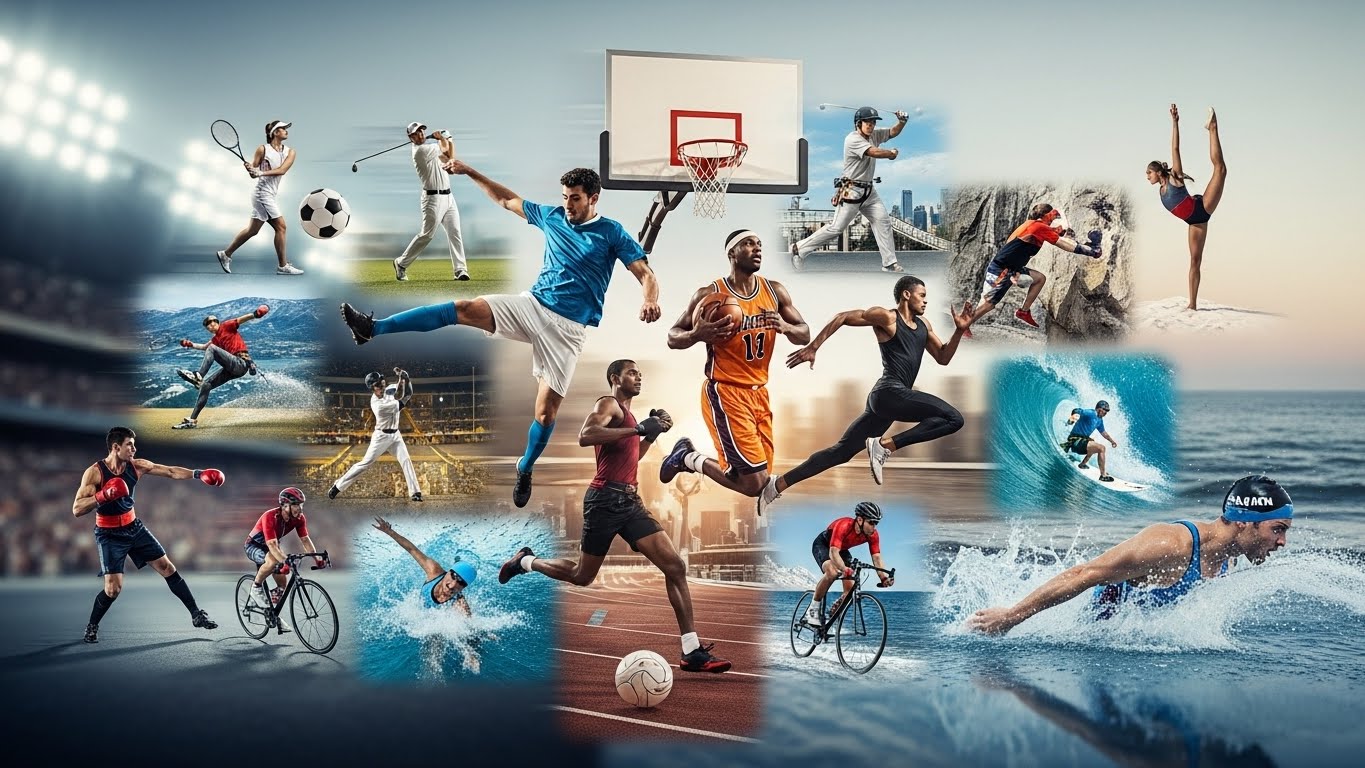
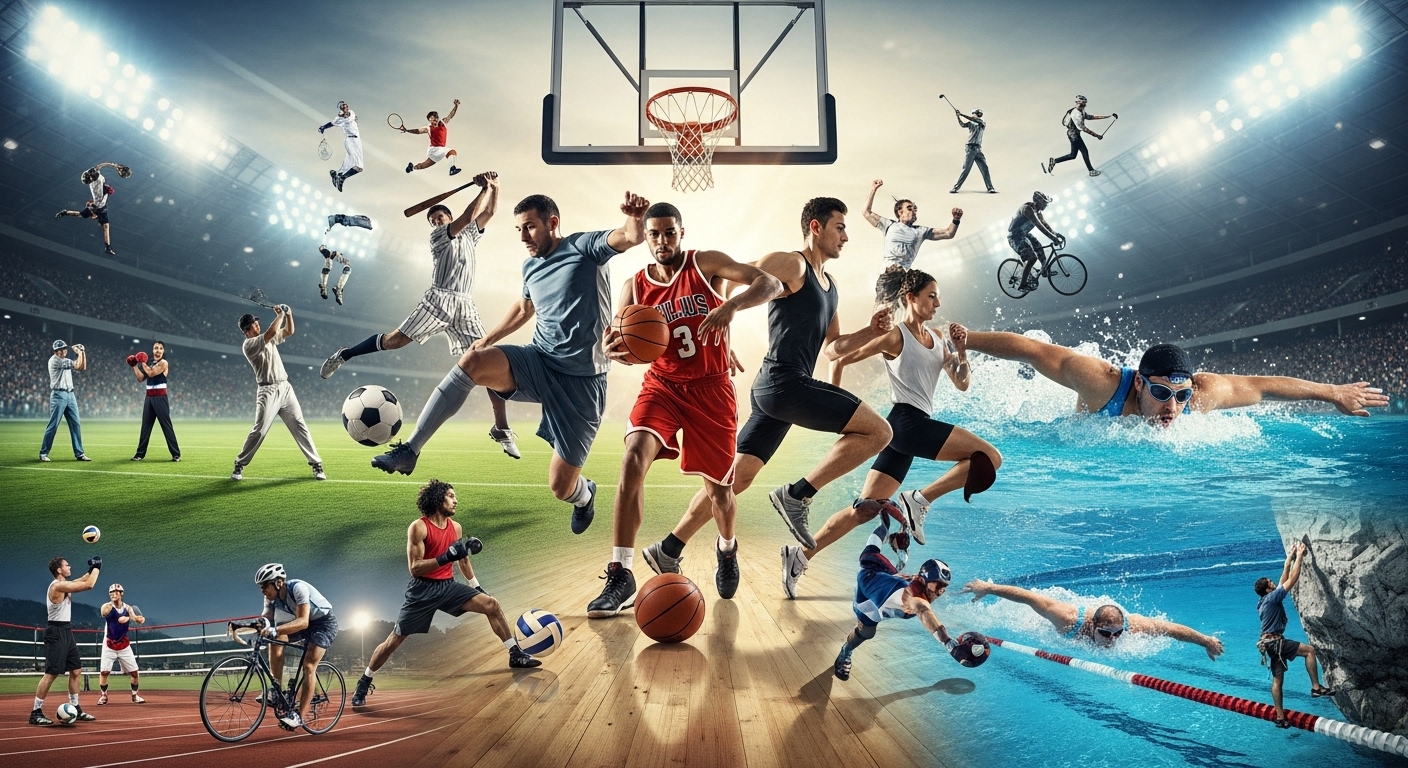
Sports encompass a wide array of disciplines, each offering unique experiences and benefits.
Team Sports
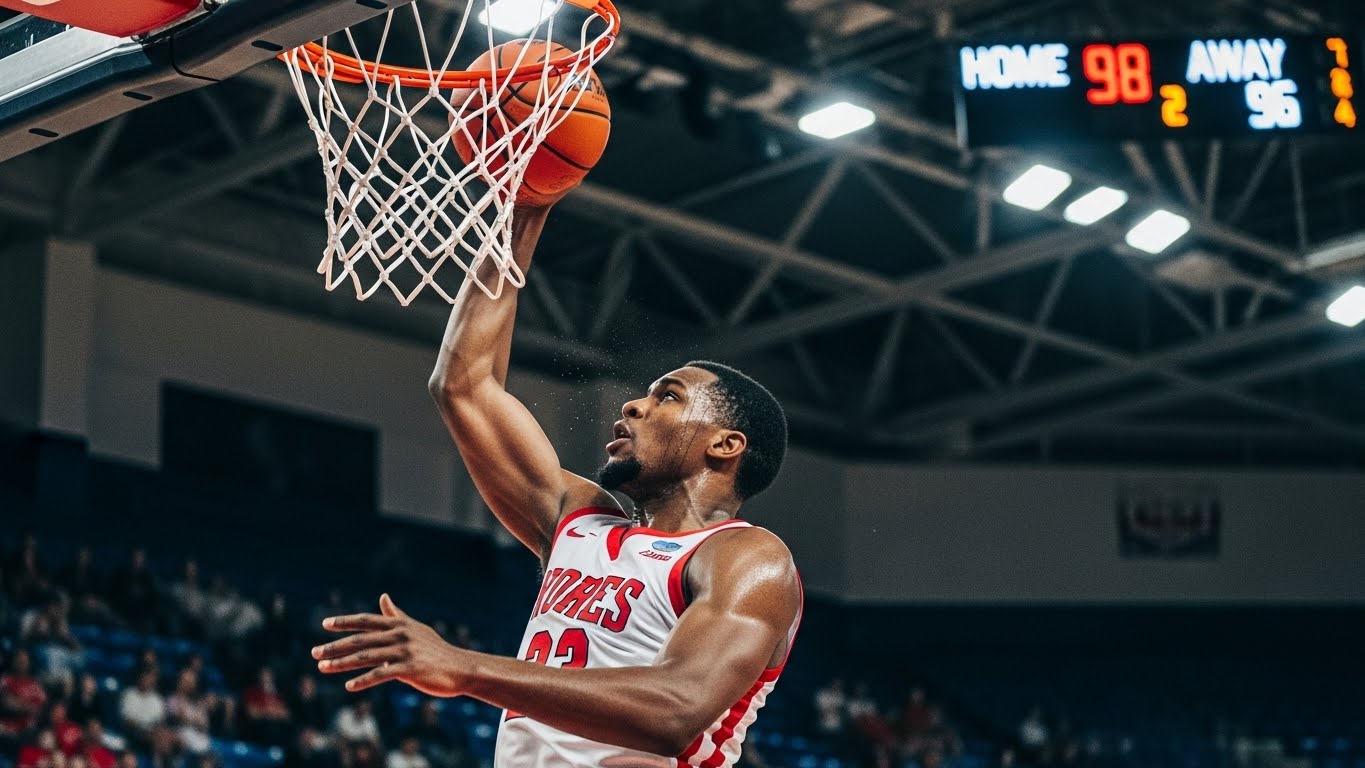
Team sports, including football, basketball, volleyball, and hockey, emphasize coordination, communication, and collective strategy. Success depends on teamwork and understanding the strengths and weaknesses of teammates. Team sports foster leadership, cooperation, and resilience while creating a strong sense of community and belonging.
Individual Sports
Individual sports such as athletics, swimming, tennis, and gymnastics focus on personal skill, discipline, and mental strength. Athletes train rigorously to improve performance, pushing their physical and psychological limits. Individual sports highlight self-motivation, focus, and the ability to persevere under pressure.
Combat and Martial Arts
Combat sports like boxing, wrestling, judo, and martial arts teach discipline, strategic thinking, and self-control. These sports emphasize mental focus and physical endurance, providing a structured path for personal growth. Martial arts, in particular, combine cultural heritage with athletic training, showcasing tradition and skill.
Adventure and Extreme Sports
Adventure and extreme sports such as rock climbing, surfing, snowboarding, and skateboarding challenge participants to test their limits and embrace risk. These activities emphasize courage, creativity, and adaptability. Extreme sports have grown in popularity through social media and televised competitions, inspiring new generations to explore unconventional athletic pursuits.
Paralympic and Adaptive Sports
Adaptive sports provide opportunities for athletes with physical or intellectual disabilities to compete at professional levels. Sports like wheelchair basketball, para-swimming, and adaptive skiing demonstrate resilience and innovation. These disciplines promote inclusivity and challenge societal perceptions of ability and achievement.
Physical Benefits of Sport
Participation in sport offers extensive physical advantages. Regular exercise improves cardiovascular health, strengthens muscles and bones, enhances flexibility, and maintains healthy body weight. Engaging in athletic activities reduces the risk of chronic illnesses, including diabetes, hypertension, and heart disease.
Sports also improve motor skills, coordination, and overall physical endurance. By fostering an active lifestyle from an early age, sports contribute to long-term well-being and help establish healthy habits that extend into adulthood.
Mental and Psychological Benefits
The mental benefits of sport are equally significant. Physical activity stimulates the release of endorphins, improving mood and reducing stress. Participation in sports also combats anxiety, depression, and mental fatigue.
Sport teaches discipline, resilience, and goal-setting. Athletes learn to overcome setbacks, manage pressure, and adapt strategies, fostering problem-solving skills and emotional intelligence. Team sports, in particular, enhance social awareness and collaboration, while individual sports develop self-confidence and concentration.
Social and Cultural Significance
Sport is a powerful social tool that bridges cultural, racial, and economic divides. Local clubs, community leagues, and international competitions create opportunities for social interaction, friendship, and shared experiences. Sporting events are celebrations of culture, heritage, and national pride.
Global events like the Olympic Games, FIFA World Cup, and Wimbledon bring together millions of spectators, transcending language and geographic barriers. Sport fosters unity, encourages inclusivity, and inspires communities to collaborate, innovate, and celebrate shared achievements.
Economic Impact of Sport
The sports industry contributes significantly to the global economy. Professional leagues, tournaments, merchandise, sponsorships, and broadcasting rights generate billions of dollars annually. Athletes earn salaries, endorsements, and prize money, while sports organizations operate as complex enterprises.
Hosting major events boosts local economies through tourism, infrastructure development, and employment opportunities. Sports media, equipment manufacturing, and training services further stimulate economic growth, making sport an influential sector in global commerce.
Technology in Modern Sport
Technology has revolutionized training, performance, and spectator engagement. Wearable devices, GPS trackers, and performance analytics allow athletes and coaches to monitor progress and refine strategies. Video replay systems and goal-line technology ensure fair play and accurate officiating.
Virtual and augmented reality enhance fan experiences, offering immersive viewing and interactive participation. Online platforms and social media allow global audiences to engage with competitions, follow athletes, and connect with communities, transforming sports into a digital cultural phenomenon.
Sports in Education
Incorporating sports into educational systems promotes holistic development. School and college sports programs cultivate physical health, leadership skills, teamwork, and discipline. Athletes learn time management, perseverance, and goal-oriented thinking.
Scholarship programs provide talented individuals with opportunities for academic advancement and professional development. Sports in education prepare students for careers in athletics, coaching, sports management, and fitness industries while nurturing lifelong habits of health and well-being.
Challenges Facing the Sports Industry
Despite its many benefits, sport faces challenges. Athlete safety and health are primary concerns, including risks of injury, overtraining, and mental stress. Doping, corruption, and unethical practices undermine the integrity of competitions.
Access to sport remains unequal due to socioeconomic, cultural, or infrastructural barriers. Promoting inclusivity, gender equality, and fair play is essential for ensuring that sport remains accessible and equitable. Addressing these challenges requires governance, education, and investment in safe and inclusive sporting environments.
The Future of Sport
The future of sport is shaped by technological innovation, globalization, and evolving cultural norms. Wearable technology, artificial intelligence, and performance analytics will enhance training and competition. Adaptive sports and Paralympic events will gain increased recognition, promoting inclusivity and equality.
Digital platforms and streaming services will continue to connect fans worldwide, while virtual and augmented reality may redefine spectator experiences. Esports and hybrid forms of athletic competition are emerging, broadening the definition of sport and appealing to younger audiences.
Conclusion: The Transformative Power of Sport
Sport is a transformative force that impacts physical health, mental well-being, social cohesion, and economic development. It fosters discipline, resilience, teamwork, and leadership while providing a platform for cultural exchange and global connection.
From grassroots initiatives to professional leagues and international tournaments, sport inspires individuals and unites communities. It teaches valuable life lessons, shapes character, and contributes to societal progress. As society evolves, sport will remain a cornerstone of human experience, celebrating the spirit of competition, achievement, and shared humanity.