Introduction: The Universal Appeal of Sports
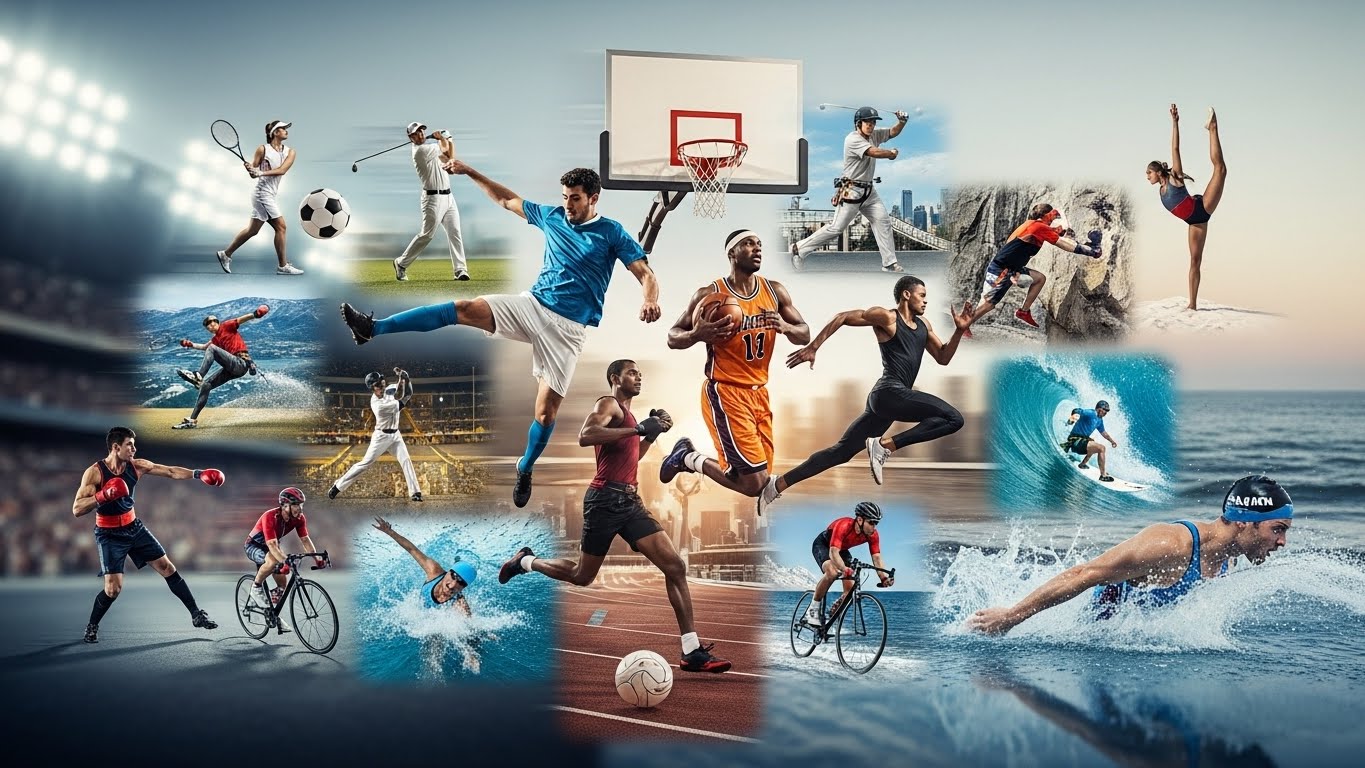
Sports are a universal language, transcending cultural, geographical, and linguistic boundaries. From ancient Olympic Games in Greece to modern global competitions, sports have always been a vital part of human society. They entertain, challenge, and inspire individuals while fostering community, discipline, and teamwork.
Sports are more than just games; they are a reflection of human creativity, physical capability, and strategic thinking. They bring people together, encourage healthy lifestyles, and serve as a platform for personal and collective achievement. Understanding the role of sports in culture and society helps us appreciate their profound impact on individuals and communities alike.
The History and Evolution of Sports
The history of sports spans thousands of years. Ancient civilizations developed games and athletic competitions for entertainment, ritual, and military training. The Olympic Games, first held in 776 BCE, set the stage for organized athletic competition, emphasizing physical excellence and honor.
Over centuries, sports evolved with societal changes. Medieval tournaments, traditional martial arts, and folk games reflected local customs and values. The modern era introduced organized leagues, professional teams, and international competitions, making sports an integral part of contemporary culture and global identity.
Physical and Mental Benefits of Sports
Participating in sports provides extensive physical and mental benefits. Physically, sports improve cardiovascular health, muscular strength, flexibility, and endurance. Regular engagement reduces the risk of chronic diseases, supports weight management, and enhances overall fitness.
Mentally, sports foster discipline, focus, and resilience. They teach goal-setting, stress management, and strategic thinking. Team sports develop communication and leadership skills, while individual sports encourage self-reliance and personal responsibility. The combination of physical exertion and mental engagement makes sports a holistic approach to well-being.
Team Sports and Collaboration
Team sports are a powerful tool for fostering collaboration and social development. Sports like football, basketball, volleyball, and cricket require players to work together, coordinate strategies, and support one another.
Team sports teach individuals the importance of communication, trust, and mutual accountability. Players learn to balance personal performance with collective goals, creating a sense of unity and shared achievement. Beyond the field, these lessons often translate into professional and personal life, highlighting the societal value of teamwork.
Individual Sports and Personal Growth
Individual sports, such as tennis, swimming, athletics, and martial arts, focus on personal skill, discipline, and self-motivation. They challenge participants to push their limits, set goals, and overcome obstacles independently.
Engaging in individual sports promotes self-confidence, focus, and resilience. Athletes learn to analyze performance, adapt strategies, and embrace both victories and setbacks. Individual sports foster a deep understanding of personal strengths and areas for improvement, contributing to lifelong growth and development.
Sports as a Cultural Phenomenon
Sports are deeply embedded in culture, shaping identity and societal values. Major events like the FIFA World Cup, the Olympic Games, and the Super Bowl transcend athletic achievement, becoming cultural spectacles.
Sports influence fashion, music, media, and national pride. They provide a platform for cultural expression and global connection, uniting fans through shared enthusiasm and emotional investment. The cultural significance of sports demonstrates their ability to reflect societal trends and inspire collective experience.
The Role of Sports in Education
Sports play a crucial role in education, contributing to physical development, character building, and social skills. Schools and universities encourage participation through physical education programs, intramural leagues, and competitive teams.
Engagement in sports fosters time management, leadership, and discipline. Students learn to balance academics and athletic commitments, promoting holistic development. Beyond the classroom, sports provide pathways to scholarships, professional careers, and lifelong recreational engagement.
Professional Sports and the Business of Competition
Professional sports have evolved into a complex global industry. Athletes, coaches, and teams operate within structured leagues, sponsorships, media coverage, and merchandising ecosystems. Professional sports generate significant economic impact, providing employment, stimulating tourism, and attracting investment.
The business of sports extends to broadcasting, advertising, event management, and digital platforms. Professional leagues exemplify organizational excellence, strategic marketing, and entertainment innovation. Sports are no longer just a pastime; they are a significant cultural and economic force worldwide.
Women in Sports and Gender Equality
Women’s participation in sports has grown significantly, challenging historical barriers and stereotypes. Female athletes compete at elite levels, inspiring new generations and promoting gender equality.
Increased visibility of women’s sports encourages inclusivity, empowerment, and social change. Organizations and media coverage are gradually recognizing female athletes’ achievements, providing opportunities for sponsorships, professional careers, and leadership roles. Promoting gender equality in sports reflects broader societal progress toward fairness and opportunity.
Sports and Technology
Technology has revolutionized how sports are played, coached, and consumed. Wearable devices track performance, monitor health metrics, and provide data-driven insights. Video analysis enhances training, while instant replay and virtual reality improve accuracy and viewer experience.
Digital platforms connect fans globally, offering live streaming, interactive content, and real-time engagement. Technology enhances fairness, safety, and entertainment value, demonstrating how innovation and athleticism complement one another in modern sports.
Sports and Mental Health
Sports have a positive impact on mental health. Physical activity reduces stress, anxiety, and depression, releasing endorphins that improve mood. Engaging in sports provides a sense of purpose, routine, and accomplishment.
Team environments and supportive coaching foster social connections, combating loneliness and promoting emotional well-being. Sports also teach coping strategies, resilience, and mindfulness, highlighting their significance beyond physical fitness.
Global Sports and International Relations
Sports often serve as a platform for diplomacy and international cooperation. Global competitions bring nations together, fostering mutual respect and understanding. Events like the Olympic Games emphasize unity, peace, and shared human achievement.
Sports diplomacy can ease tensions, promote dialogue, and create opportunities for cultural exchange. By transcending politics and borders, sports exemplify how shared passions can unite diverse populations.
Grassroots and Community Sports
Grassroots sports play a vital role in community engagement and development. Local leagues, recreational programs, and school teams provide accessible opportunities for participation and skill-building.
Community sports foster inclusion, teamwork, and social cohesion. They promote healthy lifestyles, nurture talent, and inspire future athletes. Grassroots initiatives demonstrate how sports impact individuals and communities at every level, cultivating a lifelong connection to physical activity.
Challenges in Modern Sports
Modern sports face challenges, including doping, corruption, and commercialization. Ethical concerns, financial pressures, and performance-enhancing practices threaten integrity and fairness.
Ensuring transparency, promoting ethical behavior, and safeguarding athletes’ welfare are essential for maintaining the credibility of sports. Addressing these challenges preserves sports’ value as a source of inspiration, competition, and societal benefit.
The Future of Sports
The future of sports promises innovation, inclusivity, and technological integration. Advancements in analytics, wearable devices, virtual reality, and artificial intelligence will enhance performance, safety, and fan engagement.
Sports are likely to become more global, accessible, and interactive, with digital platforms enabling real-time participation and immersive experiences. Emphasis on sustainability, diversity, and community engagement will shape the next era of sports, making it a holistic part of human development.
Conclusion: The Enduring Significance of Sports
Sports are more than competition; they are a reflection of human potential, culture, and connection. They improve physical and mental health, foster social bonds, and inspire excellence. From grassroots initiatives to global professional leagues, sports influence every aspect of life.
As society evolves, sports will continue to shape communities, challenge individuals, and inspire generations. They remind us of the power of teamwork, perseverance, and dedication while providing joy, excitement, and cultural identity. Sports are an enduring testament to human creativity, resilience, and the pursuit of excellence.