Introduction
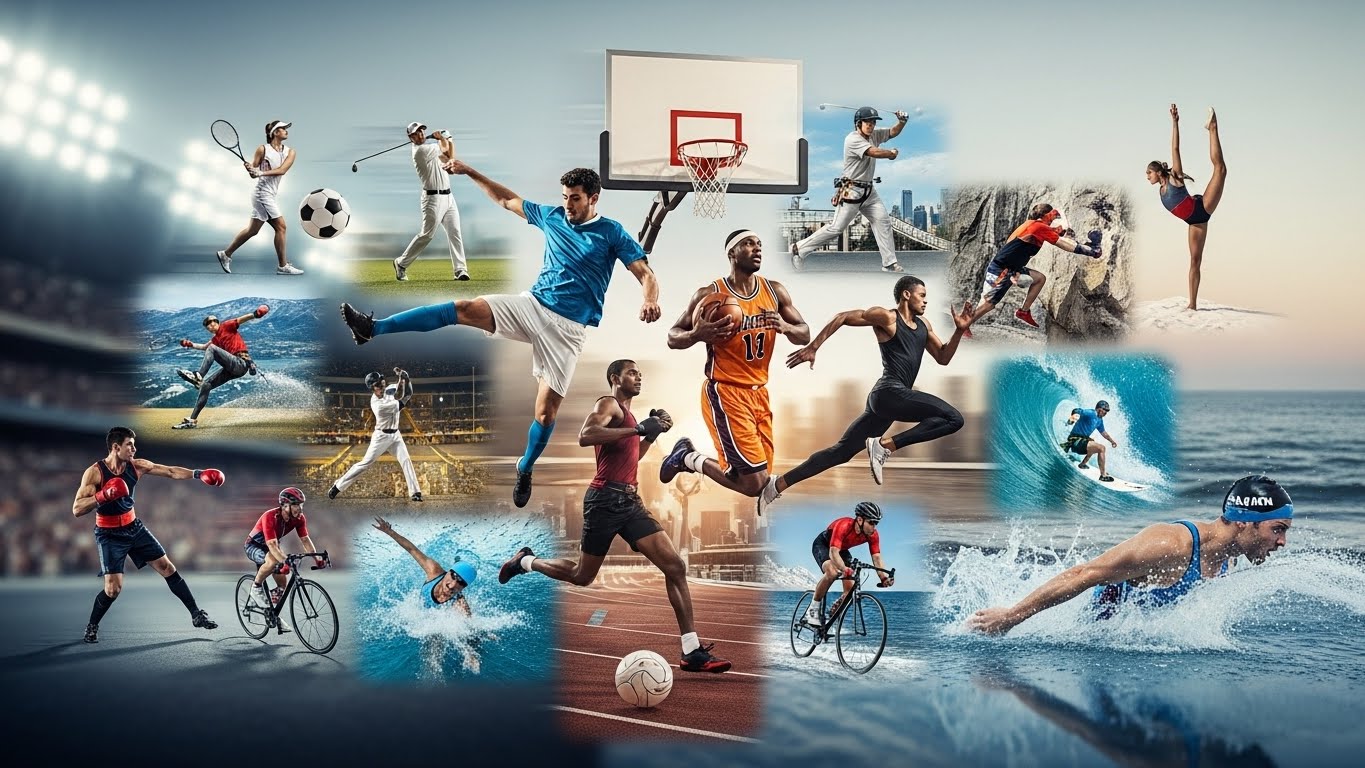
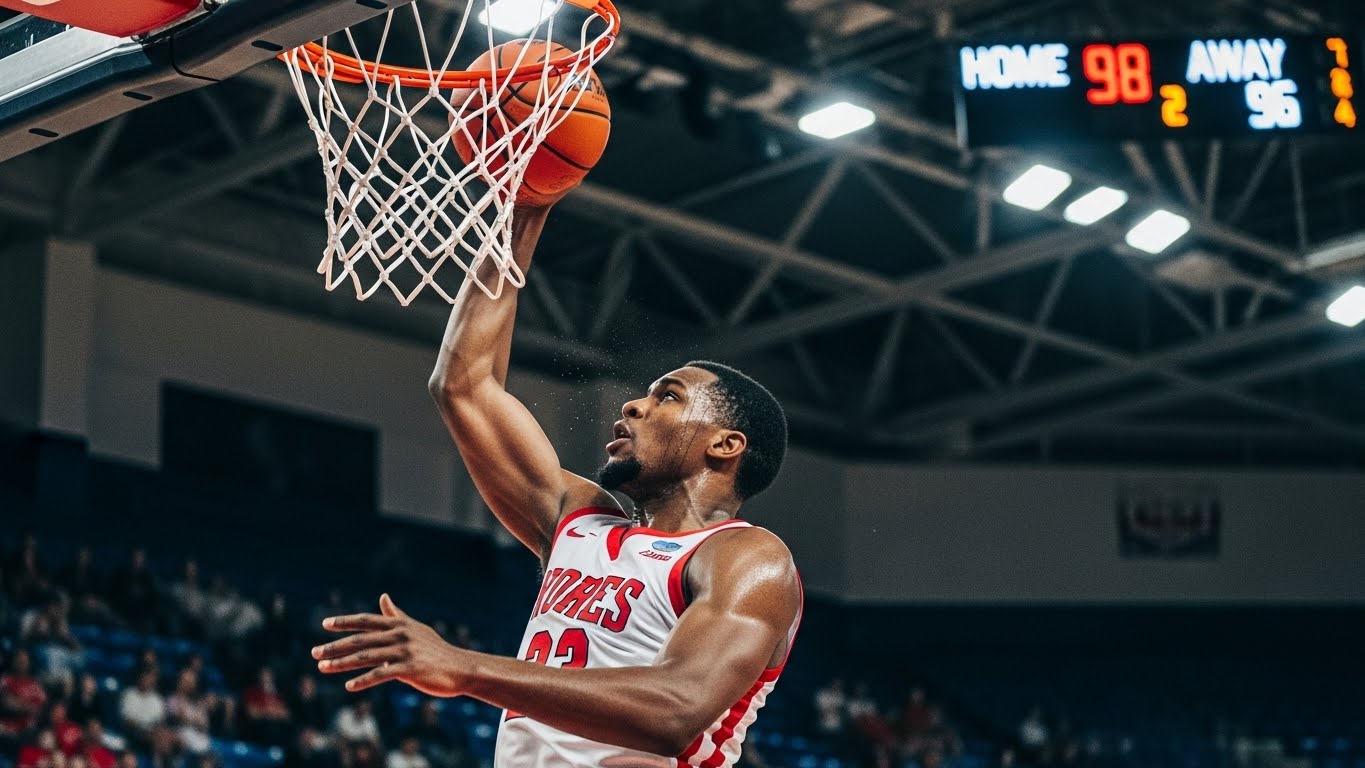
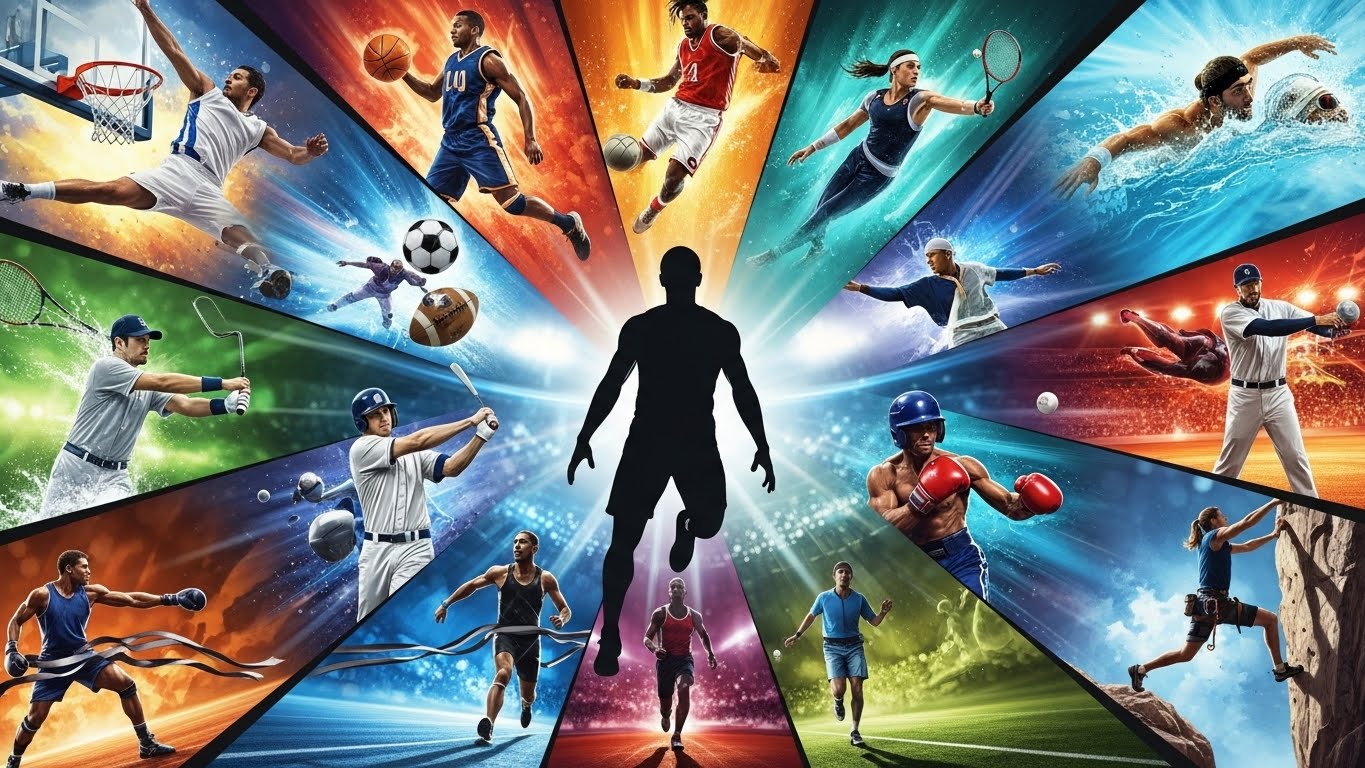
Sports have always been more than just games played on fields, courts, or tracks. They are an intrinsic part of human culture, uniting people from all walks of life across the globe. Whether it’s a casual weekend soccer match, an intense basketball rivalry, or the grandeur of the Olympic Games, sports have the power to captivate, entertain, and inspire. From ancient civilizations to modern-day superstars, athletic competition has evolved into an entertainment phenomenon that shapes societies, influences economies, and fosters unity among diverse communities.
In this blog post, we’ll explore the multifaceted world of sports, its historical roots, cultural significance, and the remarkable impact it has on individuals and society as a whole. Through the lens of both traditional and emerging sports, we’ll highlight how athletic competition continues to play a vital role in global unity, personal development, and national pride.
The Origins of Sports: A Journey Through History
The history of sports can be traced back thousands of years, with evidence of athletic competitions appearing in ancient civilizations across the globe. The earliest records of organized sports come from ancient Egypt, where the Pharaohs held public games that included early versions of ball games and athletic races. However, it was in ancient Greece where sports truly began to take shape into the competitive format we recognize today. The Olympic Games, first held in 776 BCE, set the stage for modern sports by creating a space for athletes to compete on an international stage.
The ancient Olympics were not just about physical prowess; they were a way to honor the gods, particularly Zeus. The Games, held every four years, were a major event in Greek society, and competitors came from all over the Greek world to showcase their strength and skill. The Olympic spirit of competition, respect, and unity continues to resonate today, as the Games have become one of the most celebrated global events, drawing athletes and fans from every corner of the world.
As time passed, sports continued to evolve, with ancient Rome and medieval cultures creating their own variations of games. The development of soccer, rugby, cricket, and other modern sports occurred during the 19th and early 20th centuries, coinciding with the industrial revolution and the rise of organized societies. The establishment of professional leagues, international tournaments, and global governing bodies solidified sports as a central part of modern culture.
Sports as a Cultural Phenomenon
In today’s world, sports are not just about athleticism; they are deeply embedded in the cultural fabric of nations and communities. They reflect the values, passions, and identities of the people who participate in and follow them. Sports often transcend geographic, racial, and economic boundaries, creating a common ground for individuals from diverse backgrounds to connect.
Take, for instance, the role of soccer in countries like Brazil, Argentina, and Germany. These nations have become synonymous with soccer excellence, and the sport is woven into the social and cultural fabric of their people. In Brazil, soccer is often viewed as a religion, with players like Pelé and Neymar transcending their status as athletes to become national icons. Similarly, in countries like India, cricket holds a place of reverence, with players like Sachin Tendulkar achieving god-like status and the sport uniting a diverse population with a common passion.
Sports can also be a vehicle for social change. Through athletic achievement and activism, athletes have brought attention to issues like racial equality, gender parity, and social justice. Icons like Muhammad Ali, Jackie Robinson, Serena Williams, and Colin Kaepernick have used their platforms to challenge societal norms and fight for a more equitable world. Their influence extends far beyond the realm of sports, demonstrating the power of athletic competition as a tool for social transformation.
The Economic Power of Sports
In addition to their cultural importance, sports have become a powerhouse in the global economy. Professional sports leagues like the NFL, NBA, Premier League, and Formula 1 generate billions of dollars in revenue each year through broadcasting rights, sponsorships, ticket sales, merchandise, and endorsements. These leagues employ thousands of people, ranging from athletes and coaches to managers, broadcasters, and support staff, creating significant economic opportunities both directly and indirectly.
Sponsorships play a massive role in the sports industry. Brands see sports as a way to connect with massive audiences, and companies across a wide range of sectors—from automotive and technology to beverages and clothing—compete to secure deals with teams, athletes, and events. Sports sponsorships not only boost brand visibility but also align companies with the values of the athletes or teams they back, creating a connection with fans that goes beyond traditional advertising.
Hosting major international sporting events, like the World Cup or the Summer Olympics, brings substantial economic benefits to the host city or country. These events attract tourism, create job opportunities, and drive infrastructure development. For example, the 2016 Rio Olympics generated an estimated $13.5 billion in economic activity, despite facing challenges like political instability and economic recession. The long-term benefits include increased tourism and the global exposure of a city or nation, which can continue to pay dividends for years after the event concludes.
The Psychological and Social Benefits of Sports
Beyond the economic and cultural impact, sports have profound psychological and social benefits. At a personal level, participating in sports is known to improve physical health, reduce stress, and promote mental well-being. Regular exercise through sports enhances cardiovascular health, strengthens muscles and bones, and helps manage weight, contributing to overall longevity and quality of life.
Sports also offer a sense of belonging, discipline, and teamwork. Whether it’s a youth soccer league or an adult recreational team, sports provide a structured environment where individuals can form lasting friendships and develop important life skills such as leadership, resilience, and problem-solving. The camaraderie and shared experiences of being part of a team foster a sense of community that extends beyond the field or court, often influencing how individuals engage with their broader communities.
Moreover, sports teach important life lessons that can transcend the playing field. Athletes learn the value of hard work, perseverance, and the ability to overcome failure. The highs and lows of competition mirror the challenges people face in everyday life, providing lessons in resilience that are applicable far beyond sports. The sense of achievement gained through hard-fought victories, as well as the ability to cope with defeat, shapes character and strengthens mental fortitude.
Sports as a Global Connector
One of the most extraordinary aspects of sports is its ability to unite people from different cultures, languages, and backgrounds. Global sporting events like the FIFA World Cup, the Olympic Games, and the Rugby World Cup bring together nations in a shared celebration of athleticism and competition. These events are watched by millions of people across continents, and they create moments of national pride, unity, and joy.
The shared experience of watching a team or athlete compete on the world stage can bring people together in powerful ways. Whether it’s celebrating a team’s victory, consoling each other after a loss, or simply enjoying the spectacle of the event, sports create a sense of solidarity that transcends political, social, and economic differences. In times of crisis or conflict, sports often serve as a bridge for peace, providing a platform for cooperation and understanding.
The 1995 Rugby World Cup, held in South Africa, is a prime example of sports promoting unity. During the post-apartheid era, the country was divided along racial and political lines. However, when the South African rugby team, led by captain Francois Pienaar, won the tournament, it became a unifying symbol for the nation. The iconic moment of Nelson Mandela handing the World Cup trophy to Pienaar exemplified the power of sports to heal divisions and bring people together under a common cause.
The Rise of Esports and the Future of Sports
As we look to the future, it’s clear that sports will continue to evolve, embracing new technologies and changing societal dynamics. One of the most significant developments in recent years is the rise of esports, or competitive video gaming. Esports now attracts millions of viewers and participants worldwide, with games like League of Legends, Dota 2, and Fortnite becoming major fixtures in the sporting landscape. With its rapid growth, esports has expanded the definition of what constitutes a sport, appealing to a new generation of fans and athletes who see gaming as both an entertainment medium and a legitimate competitive activity.
Virtual reality (VR), augmented reality (AR), and other technological innovations are also reshaping the sports experience, offering fans immersive, interactive ways to engage with their favorite teams and athletes. These advancements will continue to enhance the way we watch, play, and interact with sports, creating even more dynamic and inclusive experiences for people around the world.
Conclusion
Sports have come a long way since their ancient origins, evolving from simple recreational activities to powerful global phenomena. Whether it’s the personal benefits of physical activity, the cultural significance of national pride, or the economic power of professional leagues, sports play a vital role in shaping our societies. They bring people together, promote social good, and provide a platform for individuals to push the boundaries of human potential. As sports continue to evolve and expand into new realms like esports and virtual competitions, their impact on our world will only continue to grow. Ultimately, sports are more than just games—they are a universal language that connects humanity and elevates the human spirit.