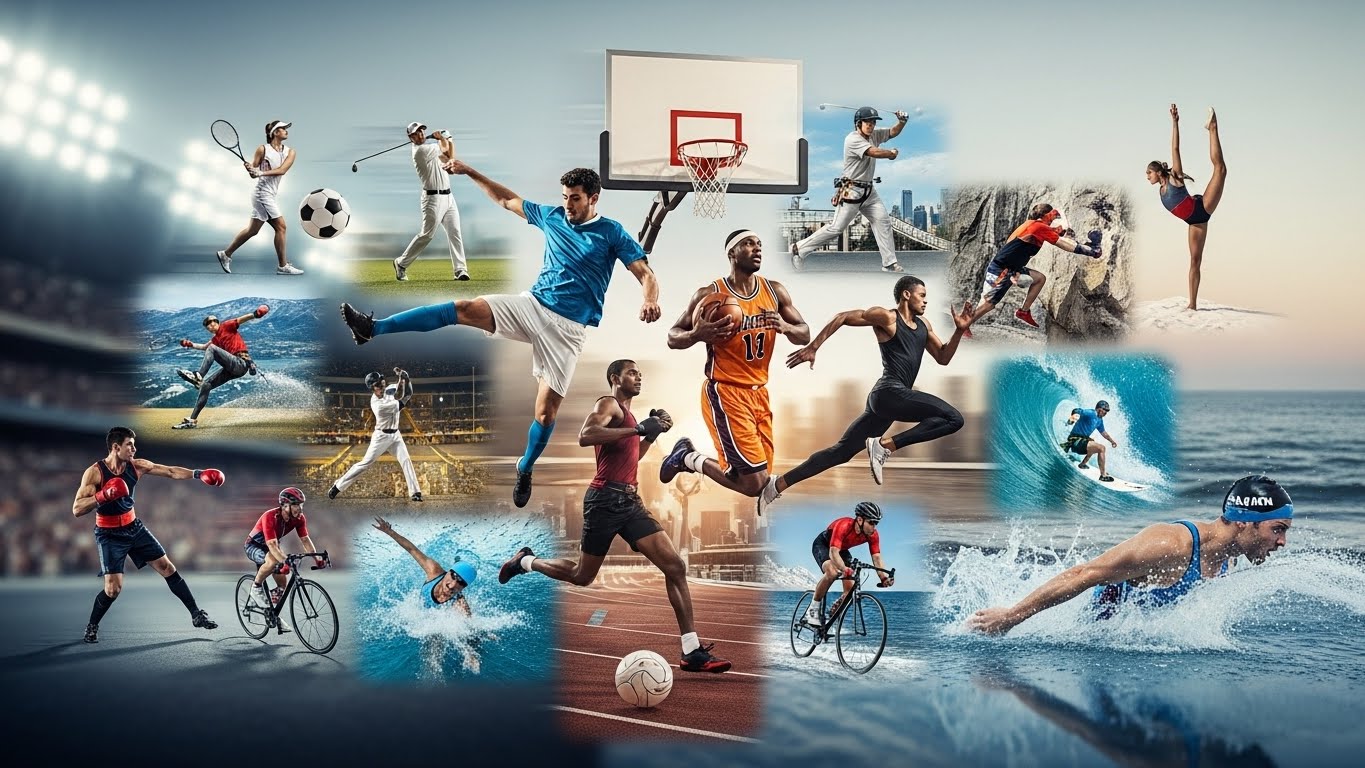

Sports have been a central part of human civilization for thousands of years. From the earliest forms of organized athletic competitions in ancient Greece to the modern, highly commercialized events we see today, sports have always played an essential role in culture, society, and individual identity. They bring people together, shape national identities, influence global economies, and have the power to transform lives. In this blog post, we will explore the far-reaching impact of sports on both a personal and societal level, examining how the world of sports has evolved and what makes it such a powerful force globally.
The Origins of Sports: A Reflection of Human Nature
Sports, in their most basic form, can be traced back to humanity’s early days. Archaeological evidence suggests that the first organized sports were played thousands of years ago in ancient civilizations. The ancient Egyptians, Greeks, and Romans all held athletic events to celebrate their gods, test physical endurance, and demonstrate strength and skill. The Olympics, first held in ancient Greece around 776 BC, are perhaps the most famous early example of a structured sports competition.
In these early times, sports were not only a form of entertainment but also a way to showcase military skills. Archery, chariot racing, and javelin throwing were all common events in ancient sports, rooted in the practical needs of warfare. These activities also served a social purpose: they were an important means of bonding, uniting tribes or city-states in friendly competition.
As time passed, the role of sports expanded beyond mere survival skills and began to take on new meanings. The Middle Ages saw the rise of jousting tournaments and knightly contests, which gradually evolved into the more formalized sports competitions we recognize today. By the late 19th and early 20th centuries, modern sports like soccer, basketball, and tennis had gained popularity, and new forms of organized competition began to emerge around the world.
The Rise of Professional Sports: From Recreation to Business
By the turn of the 20th century, sports had already become an essential part of daily life for many people. But it was the commercialization of sports that truly transformed them into the global spectacle we know today. The birth of professional sports leagues in North America, Europe, and other parts of the world elevated games like football, basketball, baseball, and soccer to new heights of popularity.
One of the major driving forces behind the professionalization of sports was the rise of mass media, particularly radio and later television. These mediums allowed fans from all over the world to tune into live events, transforming local games into global spectacles. As sports gained more widespread attention, they attracted the interest of sponsors, advertisers, and corporate investors. This influx of money gave rise to lucrative contracts for athletes, who were now able to make millions of dollars playing the games they loved.
The business of sports is now a multi-billion-dollar industry, with global fanbases for leagues like the NFL, NBA, EPL, and FIFA, among others. Teams are now brands, and athletes are often just as famous for their endorsements and off-field activities as they are for their athletic abilities. Whether it’s a multi-million-dollar contract with Nike or a luxury watch sponsorship, sports have become a vehicle for big business.
This transformation, however, has not been without its critics. Many argue that the commercialization of sports has led to a loss of the integrity and spirit of the game. Concerns about player exploitation, doping, and the increasing wealth gap between athletes and ordinary fans are just some of the issues that have surfaced in recent decades. Despite these criticisms, the global appeal of professional sports continues to grow, with fans from all walks of life eagerly supporting their teams and idols.
Sports as a Cultural Phenomenon: A Unifying Force
One of the most powerful aspects of sports is its ability to bring people together, regardless of nationality, race, or social background. The most iconic sporting events, such as the FIFA World Cup, the Olympics, or the Super Bowl, are watched by millions of people around the world. These events not only celebrate athletic achievement but also serve as a platform for cultural exchange and national pride.
In many ways, sports are a reflection of society itself, offering a unique lens through which to examine issues like race, gender, and politics. The history of sports has been shaped by significant moments of social change, such as the civil rights movement in the United States and the push for gender equality in women’s sports. Athletes like Muhammad Ali, Jackie Robinson, Billie Jean King, and Serena Williams have used their platforms to challenge societal norms, fight for justice, and inspire future generations.
Sports also provide an opportunity for people to connect with one another in a way that few other activities can. Whether it’s celebrating a victory or grieving a loss, sports create a shared experience that fosters a sense of community. Fans gather in stadiums, bars, and living rooms to watch their teams play, bonding over the excitement, the ups, and the downs of the game. In this sense, sports act as a powerful unifying force that transcends geographical and cultural divides.
The Role of Sports in Promoting Health and Well-Being
While sports are often viewed primarily as entertainment, their impact extends far beyond the confines of the stadium. One of the most important contributions of sports is its positive influence on individual health and well-being. Regular participation in physical activities is one of the most effective ways to improve both physical and mental health.
Sports offer numerous benefits, from increasing cardiovascular health and building strength to improving coordination and flexibility. Activities like running, swimming, and playing team sports promote a healthy lifestyle by encouraging regular exercise and reducing the risk of chronic conditions such as obesity, diabetes, and heart disease.
Beyond the physical benefits, sports also play a crucial role in mental health. For many individuals, sports provide an outlet for stress, anxiety, and depression. The social interaction involved in team sports, as well as the sense of achievement that comes from improving one’s skills or winning a game, can boost self-esteem and foster a positive mindset.
Moreover, sports provide a sense of routine and discipline, teaching valuable life skills such as teamwork, leadership, time management, and perseverance. For young people, participating in sports can provide an important sense of purpose and help build character, teaching lessons that extend far beyond the playing field.
Sports and Global Economy: A Multi-Billion Dollar Industry
The global sports industry is one of the most lucrative sectors in the world. With billions of dollars generated each year through sponsorship deals, television rights, merchandise, ticket sales, and endorsements, sports have become an integral part of the global economy. Major sporting events like the FIFA World Cup, the Olympic Games, and the Super Bowl bring in millions of dollars in revenue, benefiting not just the teams and athletes but also the cities and countries that host them.
For countries that host major international sports events, the economic impact can be substantial. Infrastructure improvements, increased tourism, job creation, and a boost in national pride are just a few of the positive outcomes that can result from hosting large-scale sporting events. For example, the 2012 London Olympics generated billions of dollars in revenue and left a lasting legacy in terms of infrastructure development and job creation.
In addition to the direct financial benefits, sports also contribute to the economy through the creation of jobs in areas like marketing, broadcasting, and merchandise production. Sports sponsorships, which include everything from corporate logos on uniforms to naming rights for stadiums, are another major source of income for both teams and athletes. For top athletes, these endorsement deals can be more profitable than their actual playing salaries, allowing them to build personal brands and increase their earning potential.
The Future of Sports: Technology and Innovation
Looking toward the future, technology is set to play an even greater role in the world of sports. Advancements in technology have already had a significant impact on how sports are played, watched, and analyzed. From wearable fitness trackers and performance-enhancing devices to innovations in broadcasting, virtual reality, and artificial intelligence, the future of sports promises to be more interactive, immersive, and data-driven than ever before.
For instance, virtual reality could allow fans to experience games from the comfort of their own homes as if they were sitting courtside or standing in the middle of the action. Advanced data analytics will enable teams to optimize player performance and make more informed decisions, while augmented reality could revolutionize the way games are broadcast, providing fans with real-time stats and interactive features.
Moreover, esports – competitive video gaming – is rapidly growing in popularity, with professional tournaments and leagues now drawing millions of viewers around the world. The rise of esports could fundamentally change the landscape of competitive sports, with a younger, tech-savvy audience embracing these virtual competitions alongside traditional physical sports.
Conclusion: The Enduring Legacy of Sports
Sports have evolved dramatically over the centuries, and their impact is felt in every corner of the world. Whether as a form of entertainment, a tool for social change, a means of promoting health and well-being, or a driver of economic growth, sports are deeply woven into the fabric of society.
What makes sports truly unique is their ability to connect people across cultures, nations, and backgrounds, offering a universal language that transcends differences. Whether cheering for your favorite team, playing in a local league, or watching the world’s greatest athletes compete on the global stage, sports continue to inspire and unite people in a way that few other activities can.
As technology advances and new forms of entertainment and competition emerge, the role of sports will undoubtedly continue to evolve. But one thing remains certain: the power of sports to captivate, challenge, and bring people together will remain as strong as ever.