Sports have been an integral part of human civilization for centuries, transcending cultures, geography, and generations. From ancient Olympic Games in Greece to modern global tournaments, sports play a pivotal role in shaping physical health, mental well-being, social interactions, and cultural identity. Beyond being a source of entertainment, sports teach discipline, resilience, teamwork, and strategic thinking. This blog explores the multifaceted world of sports, its impact on individuals and society, and why it continues to hold a universal appeal.
The Historical Evolution of Sports
The roots of sports stretch back thousands of years. Ancient civilizations used games not only for recreation but also to demonstrate physical skill, strategic thinking, and societal values. For instance, the ancient Greeks held the Olympic Games as a tribute to their gods, emphasizing athletic excellence, discipline, and honor. Similarly, civilizations in China, Egypt, and Mesoamerica engaged in competitive games that reflected social hierarchies, military skills, and cultural traditions.
Over time, sports evolved from local competitions and informal games to highly organized professional leagues and international tournaments. The modern Olympics, established in 1896, exemplify the global nature of sports, bringing nations together in friendly competition while promoting cultural exchange. Other major sporting events such as the FIFA World Cup, Wimbledon, and the Tour de France have continued to inspire millions of fans worldwide, blending athletic achievement with entertainment and social cohesion.
Physical Benefits of Sports
The most immediate and obvious impact of sports is on physical health. Regular participation in sports enhances cardiovascular health, strengthens muscles, improves flexibility, and promotes endurance. It also helps in maintaining a healthy body weight, reducing the risk of chronic conditions such as diabetes, obesity, and heart disease.
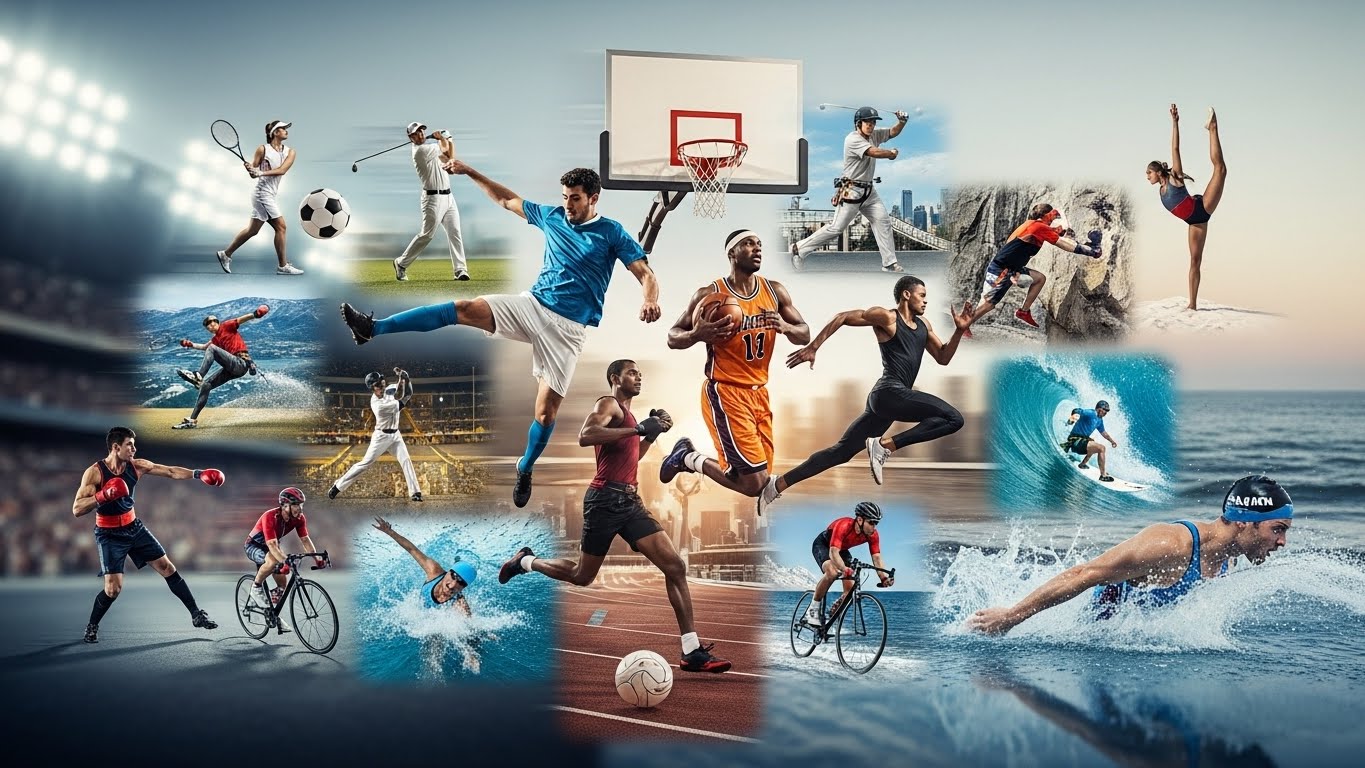
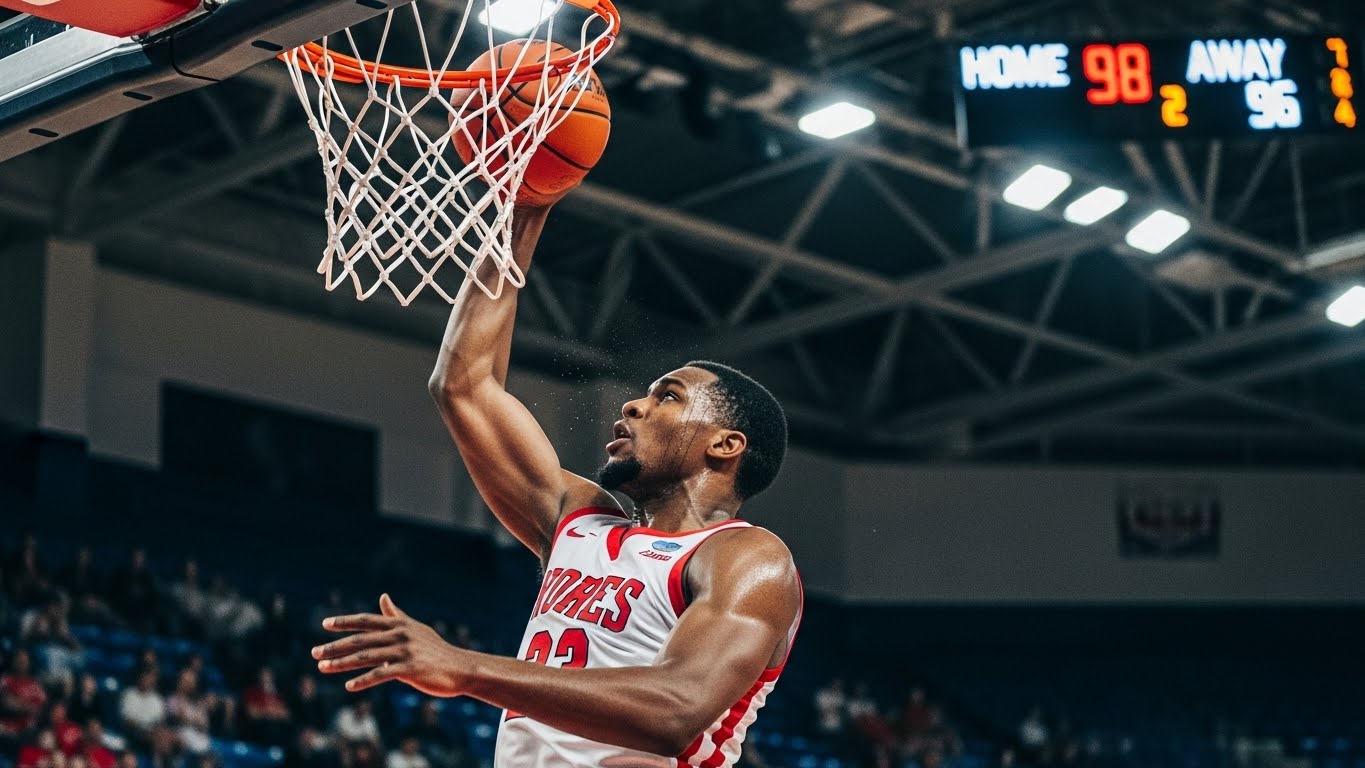
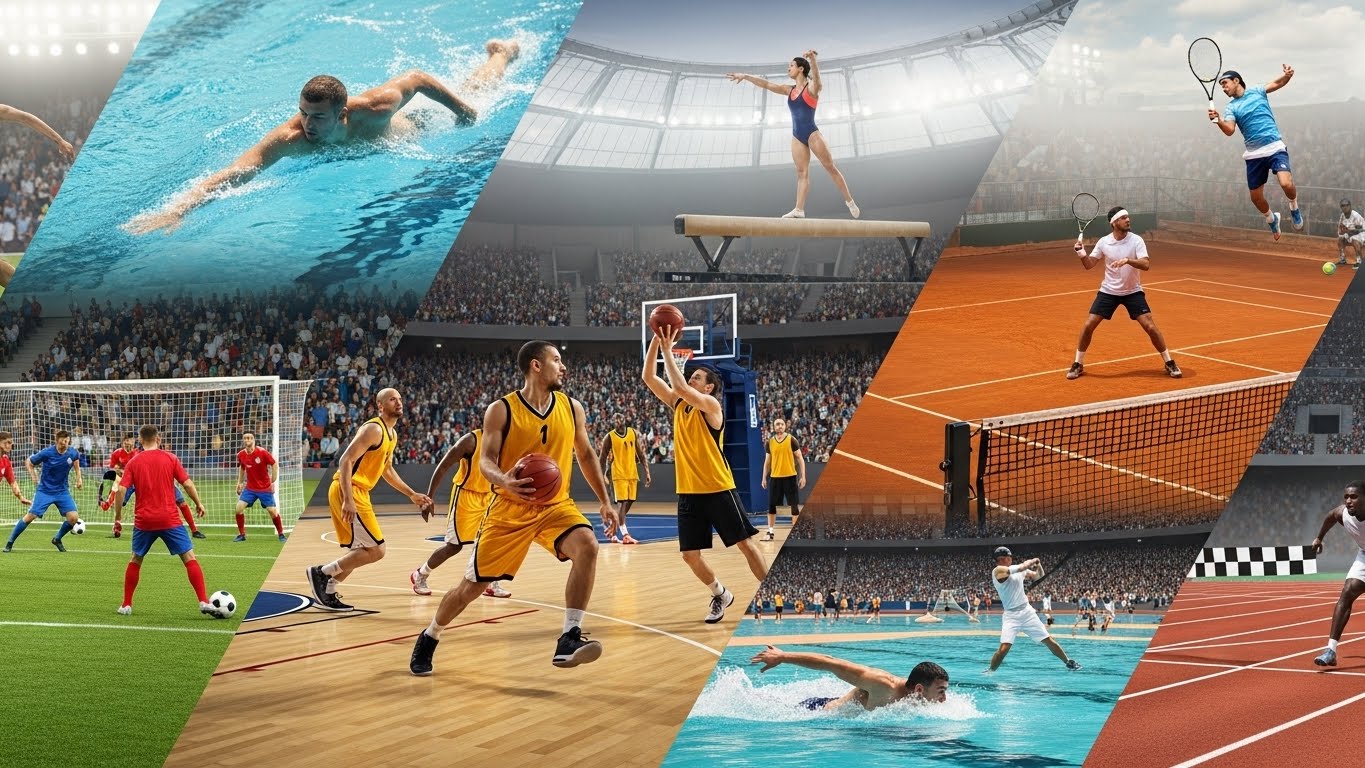
Different sports offer unique physical benefits. Swimming provides a full-body workout that improves lung capacity and overall stamina. Running and cycling strengthen the heart, lungs, and lower body muscles, while sports like gymnastics and martial arts enhance balance, flexibility, and core strength. Even recreational sports such as hiking, tennis, or basketball promote consistent physical activity, laying the foundation for a healthy lifestyle.
Mental Health and Emotional Resilience
Sports are not just about physical fitness; they also play a crucial role in mental and emotional well-being. Physical activity triggers the release of endorphins, hormones that reduce stress, anxiety, and depression. Engaging in sports helps individuals focus their energy, build self-confidence, and cultivate a sense of accomplishment.
Participation in competitive sports also fosters resilience. Athletes learn to cope with both victories and defeats, developing skills to handle setbacks and maintain determination. Team sports, in particular, teach communication, empathy, and collaboration, while individual sports often instill self-discipline and personal accountability. Through these experiences, sports become a platform for holistic mental growth.
Sports as a Tool for Social Integration
One of the most remarkable aspects of sports is its ability to unite people. Community sports programs, local leagues, and school competitions create opportunities for individuals to interact, cooperate, and form lasting friendships. Sports provide a shared platform for diverse communities to celebrate achievements, learn teamwork, and overcome differences.
On a global scale, international sporting events like the Olympics or the Cricket World Cup bring nations together. Fans from different countries experience a sense of unity, shared excitement, and cultural exchange. Sports diplomacy has historically played a role in bridging political and social divides, proving that athletic competition can transcend ideological boundaries.
The Role of Sports in Education
Incorporating sports into educational systems is vital for holistic development. Physical education programs cultivate discipline, strategic thinking, time management, and leadership skills. Schools that prioritize sports alongside academics help students achieve a balanced lifestyle, promoting both intellectual and physical growth.
Research shows that students involved in sports often demonstrate improved academic performance, better concentration, and enhanced problem-solving abilities. Competitive sports teach goal-setting and perseverance, skills that are transferable to professional and personal life. Furthermore, participation in team sports helps young individuals develop social skills, adaptability, and collaborative thinking, which are essential in today’s interconnected world.
Women in Sports: Breaking Barriers
Historically, sports were largely male-dominated, with women facing systemic barriers to participation. Over the past few decades, however, women athletes have made remarkable strides. Female representation in competitive sports continues to rise, challenging traditional gender norms and inspiring future generations.
From soccer and basketball to athletics and tennis, women athletes are setting records, winning championships, and advocating for equality. Their achievements highlight the importance of inclusivity and diversity in sports. Encouraging women’s participation benefits society by promoting fairness, breaking stereotypes, and empowering individuals to pursue their passions without limitation.
Economic Impact of Sports
Sports contribute significantly to the global economy. Professional leagues, international tournaments, merchandise sales, sponsorships, and broadcasting rights generate billions annually. Hosting major sporting events stimulates local economies through tourism, infrastructure development, and job creation.
At the grassroots level, local sports programs drive economic activity by supporting gyms, clubs, equipment retailers, and recreational facilities. Additionally, sports careers—including athletes, coaches, physiotherapists, and sports analysts—create employment opportunities, demonstrating the broad financial influence of the industry.
Challenges and Controversies in Sports
Despite its many benefits, sports face challenges that cannot be overlooked. Doping, match-fixing, and corruption threaten the integrity of competitions. Performance-enhancing drugs undermine fair play, while financial scandals can erode public trust. Sports organizations continuously work to implement stricter regulations and testing measures to combat these issues.
Injuries are another concern. Professional athletes often face intense physical strain, leading to both short-term and long-term health problems. Even recreational sports carry risks if proper safety protocols are not followed. Access and equality remain pressing issues, as marginalized communities may face barriers in participating or receiving recognition in competitive arenas. Addressing these challenges requires coordinated efforts from governing bodies, educators, and local communities.
Technology and Innovation in Sports
Modern sports are increasingly influenced by technology and innovation. Wearable devices, performance analytics, and advanced training equipment help athletes optimize performance and reduce the risk of injuries. Video replay systems, VAR technology, and digital monitoring enhance the fairness and accuracy of competitive events.
Emerging technologies like virtual reality and augmented reality are also reshaping fan engagement. Spectators can experience games in immersive ways, whether through VR broadcasts, interactive apps, or simulated training environments. These innovations enhance both performance and the overall sporting experience, making sports more engaging and accessible.
Sports as a Lifelong Passion
One of the enduring qualities of sports is its appeal across all ages. While professional careers may be limited, recreational sports provide opportunities for lifelong fitness, social interaction, and enjoyment. Activities like jogging, swimming, tennis, and hiking allow individuals to remain active and connected, regardless of age.
Sports also cultivate identity and community. Fans celebrate victories, discuss strategies, and form bonds around their favorite teams and athletes. The memories, friendships, and life lessons gained through sports are lasting, emphasizing that the value of sports extends far beyond physical activity.
Sports and Cultural Identity
Sports play a central role in cultural identity. They reflect societal values, traditions, and collective pride. National teams inspire patriotism, local clubs foster community pride, and global competitions showcase international collaboration. Sports often act as a mirror of society, highlighting issues such as equality, perseverance, and fair play. They also influence music, fashion, media, and social trends, further embedding themselves into cultural consciousness.
The Future of Sports
The future of sports promises continued innovation and inclusivity. Esports, virtual competitions, and digital engagement platforms are merging traditional sports with technology, creating new forms of participation and entertainment. Sustainability is also a growing focus, with eco-friendly stadiums, responsible event planning, and reduced carbon footprints becoming priorities for organizers.
Inclusivity will remain essential. Efforts to provide equal opportunities for women, disabled athletes, and underserved communities are reshaping how sports are perceived and practiced. By combining tradition with innovation, sports will continue to evolve as a powerful tool for health, community, and cultural exchange.
Conclusion
Sports are far more than games or competitions; they are a cornerstone of human development, culture, and society. They foster physical fitness, mental resilience, social cohesion, and economic growth. Through sports, individuals learn discipline, teamwork, and strategic thinking, while communities celebrate shared identity and achievement.
Despite challenges such as doping, inequality, and injuries, sports continue to inspire, unite, and motivate people worldwide. They reflect the best of human potential, combining dedication, skill, and passion. Whether you are an athlete, a fan, or someone simply exploring a new hobby, sports offer opportunities for growth, connection, and lifelong enjoyment.
The timeless appeal of sports lies in its universality—an arena where anyone, anywhere, can strive for excellence, celebrate victories, and learn valuable life lessons that extend far beyond the playing field.