
Introduction: The Universal Language of Sports
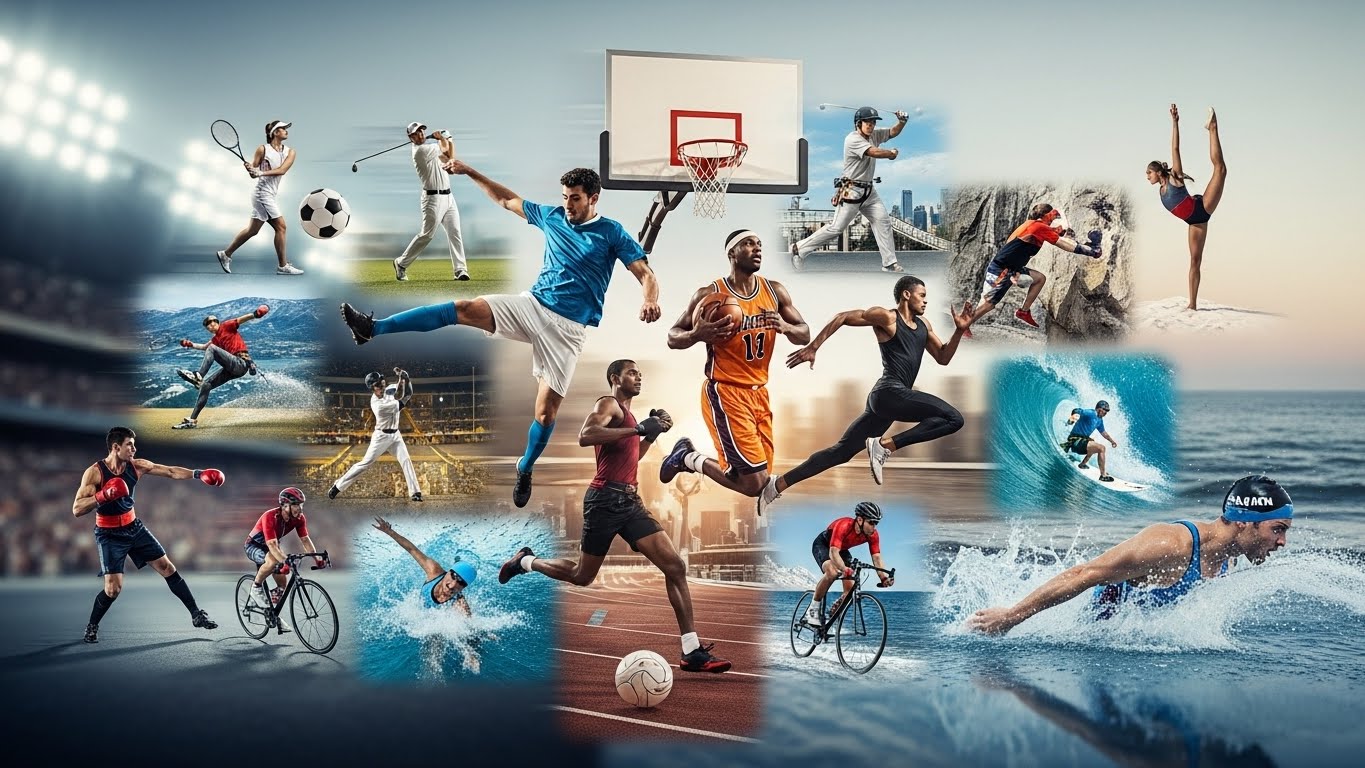
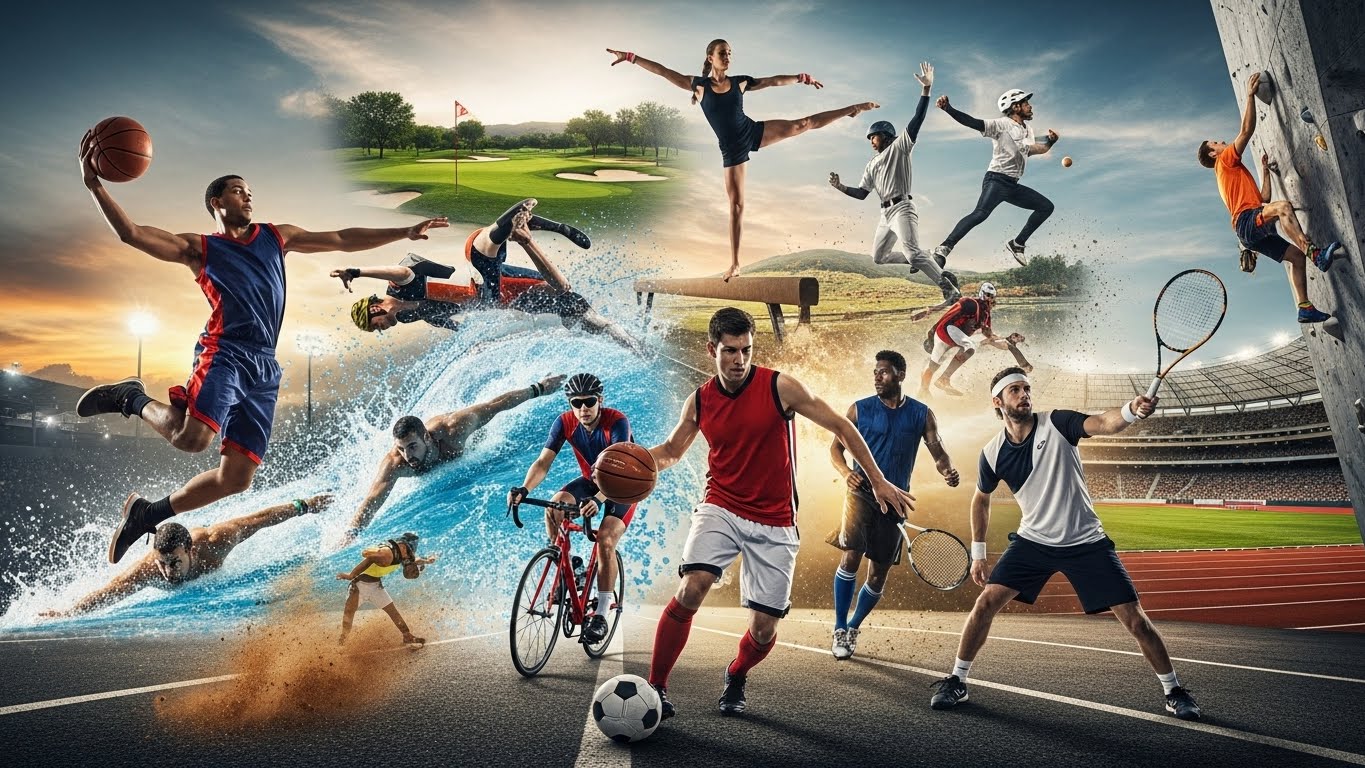
Sports have always been more than just games played on fields, courts, or tracks. They are a universal language, a reflection of human ambition, and a celebration of physical and mental endurance. From ancient Olympic contests to modern global leagues, sports have played an essential role in bringing communities together, inspiring generations, and shaping cultures. They offer not only entertainment but also life lessons, fostering qualities such as perseverance, discipline, teamwork, and resilience. In every corner of the world, sports resonate with people, crossing boundaries of age, language, and nationality.
The Historical Roots of Sports
Sports have existed since the dawn of civilization. Early societies used physical contests to train warriors, entertain communities, and celebrate religious rituals. Ancient Greece formalized athletic competitions through the Olympics, highlighting the connection between physical prowess and cultural pride. Similarly, ancient civilizations in Asia, Africa, and the Americas developed their own sporting traditions, often intertwined with ritual and storytelling. These early foundations demonstrate that sports are not a modern invention; they have always been deeply connected to human life, identity, and social structure.
The Physical and Mental Benefits of Sports
Engaging in sports is one of the most effective ways to maintain physical health. Regular participation improves cardiovascular fitness, builds strength, enhances flexibility, and boosts endurance. Beyond physical benefits, sports have profound mental and emotional advantages. They reduce stress, improve concentration, and build self-confidence. For young people, sports can instill discipline, time management skills, and a sense of responsibility. In adults, recreational sports offer a way to combat sedentary lifestyles and maintain social connections. The holistic benefits of sports make them an indispensable aspect of human well-being.
Sports as a Teacher of Life Skills
One of the most compelling aspects of sports is their ability to teach life skills. Playing sports requires patience, strategic thinking, and the ability to respond to challenges under pressure. Athletes learn to handle wins and losses gracefully, to persevere through setbacks, and to collaborate with others toward a common goal. Team sports, in particular, emphasize communication, trust, and leadership, while individual sports often highlight self-motivation and resilience. The lessons learned in sports frequently translate into success in professional, academic, and personal life.
Popular Sports and Their Global Influence
Different regions of the world embrace distinct sports, yet certain games have achieved global prominence. Soccer, known as football outside North America, is the most popular sport worldwide, captivating billions of fans and creating cultural phenomena in every continent. Basketball, cricket, tennis, and athletics also enjoy international recognition, each with their own fan base, leagues, and tournaments. The global influence of sports goes beyond competition; it inspires art, fashion, and media, creating a cultural impact that transcends borders. Major international events like the Olympics and World Cup unite people in ways few other phenomena can.
The Role of Sports in Community and Society
Sports play a crucial role in fostering community engagement. Local leagues, school teams, and neighborhood competitions bring people together, creating a sense of belonging and collective identity. Beyond recreation, sports often serve as platforms for social change. Athletes have historically used their visibility to address issues such as inequality, discrimination, and humanitarian crises. Community sports programs can also provide opportunities for underprivileged youth, promoting education, social inclusion, and personal development. The societal value of sports extends far beyond the playing field.
The Evolution of Professional Sports
Professional sports have undergone a remarkable transformation over the last century. From modest competitions to multi-billion-dollar industries, professional leagues now combine athletic performance with entertainment, media, and sponsorship. Athletes are no longer just competitors; they are influencers, role models, and cultural icons. The professionalization of sports has also brought advancements in training, nutrition, and sports science, allowing athletes to push the boundaries of human performance. This evolution illustrates how sports are not static but continuously adapt to technological, economic, and social changes.
Technology and Innovation in Sports
Technology has dramatically changed how sports are played, trained for, and consumed. Wearable devices track performance metrics, virtual reality enhances training, and instant replay systems improve fairness and accuracy in officiating. Broadcasting innovations allow fans to watch events live from anywhere in the world, while social media connects athletes directly with their supporters. Technology has also expanded sports into new formats, including esports and virtual competitions, highlighting the enduring human desire to compete and connect through games.
The Economic Impact of Sports
Sports contribute significantly to the global economy. Beyond ticket sales and merchandise, they generate revenue through broadcasting rights, sponsorships, advertising, and tourism. Major sporting events stimulate local economies, create jobs, and attract investment in infrastructure. The sports industry also provides diverse career opportunities, including coaching, sports management, journalism, marketing, and healthcare. Economic growth in sports demonstrates that the value of athletic competition extends far beyond entertainment; it is a cornerstone of commerce and innovation.
Sports, Diversity, and Inclusion
Modern sports increasingly emphasize diversity and inclusion. Efforts to break down barriers related to gender, race, and socioeconomic status are reshaping the landscape of athletic participation. Women’s sports, once marginalized, now attract record audiences and sponsorships, highlighting the demand for equality in athletic recognition. Inclusive policies and adaptive sports programs ensure that people with disabilities can also participate and compete at high levels. By embracing diversity, sports reflect society’s evolving values and serve as a model for equity and opportunity.
Challenges Facing the Sports World
Despite their benefits, sports face challenges that threaten their integrity and sustainability. Issues such as doping, corruption, excessive commercialization, and athlete burnout must be addressed to maintain trust and fairness. Additionally, accessibility remains a concern; many communities lack resources to support sports development, particularly in low-income regions. The mental health of athletes is another growing area of attention, requiring better support systems and awareness. Addressing these challenges is crucial to ensuring that sports continue to enrich lives and societies in a meaningful way.
The Future of Sports
The future of sports is filled with exciting possibilities. Emerging technologies, global connectivity, and evolving social attitudes are shaping new forms of competition and fan engagement. Sports may increasingly blend physical and digital experiences, creating hybrid formats that combine traditional athletics with virtual platforms. The role of analytics, artificial intelligence, and performance optimization will continue to enhance both player development and spectator experience. Despite these innovations, the essence of sports—competition, camaraderie, and human excellence—will remain timeless.
Conclusion: More Than Just a Game
Sports are a reflection of human spirit, ambition, and creativity. They entertain, inspire, and educate, leaving a lasting impact on individuals and communities. Whether experienced as a player or a fan, sports teach lessons that go far beyond physical performance, shaping character, fostering unity, and celebrating diversity. From local playgrounds to global arenas, sports continue to connect people, drive cultural dialogue, and push the limits of what humans can achieve. In a world that is constantly evolving, the enduring power of sports reminds us of our shared humanity, resilience, and potential for greatness.