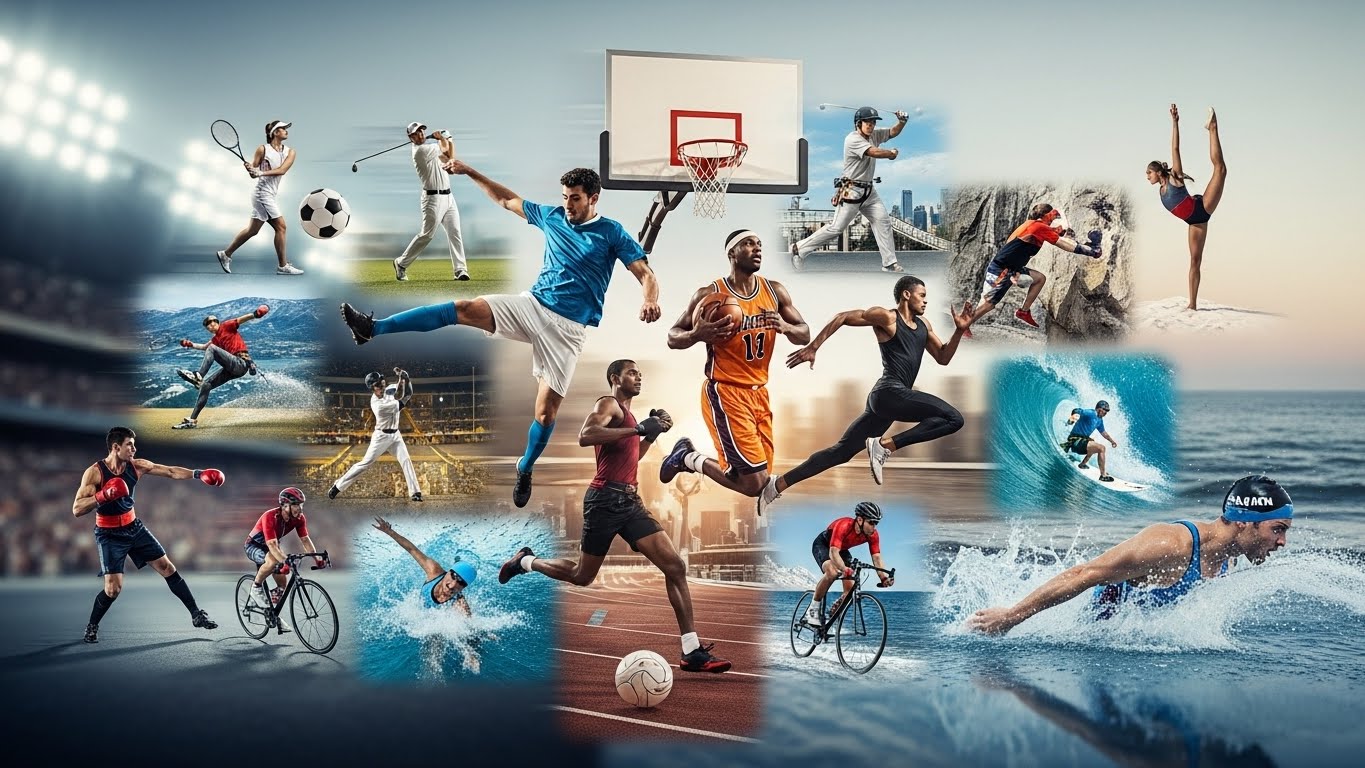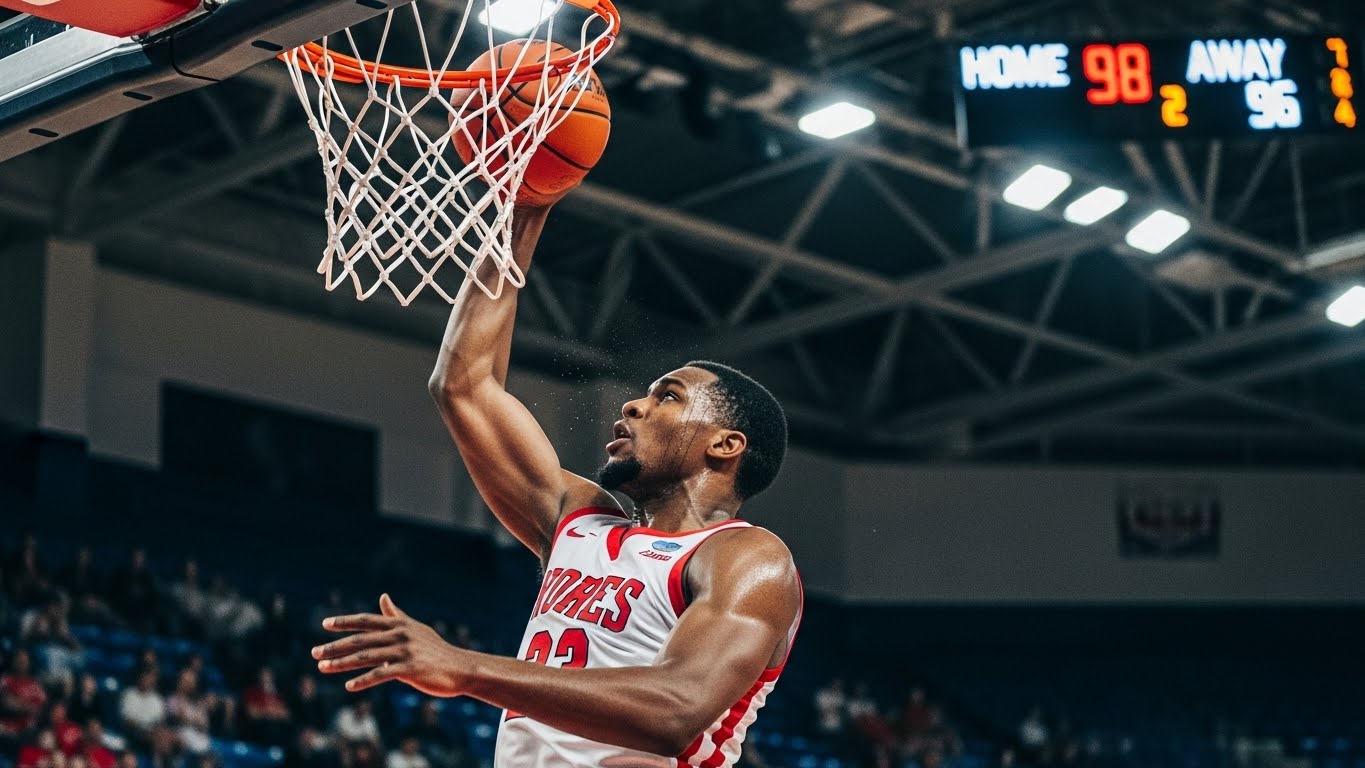
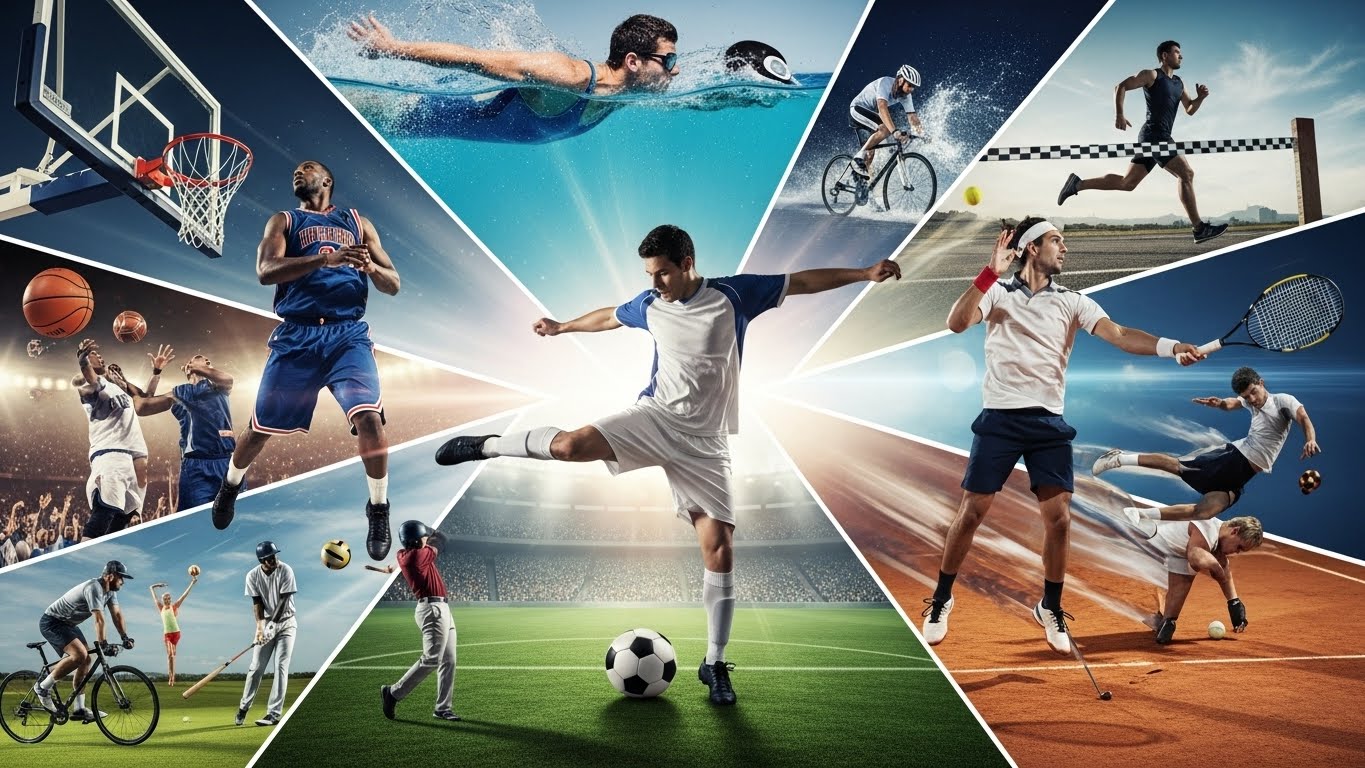
Sports are more than a pastime. They are a pulse, a rhythm that moves through societies, cultures, and generations. Whether it is a packed stadium roaring for victory or a quiet neighborhood field where children chase dreams in the dust, sports create stories, values, and lifelong transformations. This blog explores the powerful role sports play in shaping individuals, communities, and the world at large.
The Universal Language of Sports
Sports transcend language, culture, and borders. A goal, a win, a moment of suspense before a final whistle—these emotions resonate with people everywhere. Even when two teams come from different continents, the game becomes a shared experience that unites players and spectators alike.
What makes sports such a universal connector is the simplicity of shared human emotions. Joy, frustration, anticipation, triumph—these feelings are understood everywhere. When an underdog team wins, the world cheers. When a legendary athlete retires, fans across the globe feel the impact. This emotional universality contributes to the global passion for sports, making them one of the most influential forms of human expression.
The Physical Benefits That Shape Stronger Bodies
Sports have always been closely tied to physical health. From childhood into adulthood, physical activity plays a major role in maintaining strength, agility, and overall well-being. Engaging in sports helps improve cardiovascular health, muscle tone, flexibility, and endurance.
In a world increasingly dominated by technology and sedentary lifestyles, sports provide a natural remedy. Regular participation helps combat health issues like obesity, diabetes, heart disease, and stress-related disorders. For young people especially, sports not only promote healthy growth but also instill habits that can last a lifetime.
But the physical benefits go beyond fitness. Sports help individuals develop balance, coordination, and body awareness. Athletes often experience better sleep, sharper cognitive functioning, and greater energy levels throughout the day. The physical advantages alone make sports one of the most impactful activities humans can engage in.
Mental Strength and Discipline Built Through Competition
While physical strength is an obvious result of sports, the hidden gem lies in the mental transformation. Sports teach self-discipline, focus, and resilience. Every athlete knows the feeling of pushing past a limit, failing, trying again, and eventually succeeding. This cycle builds determination that extends far beyond the field.
Sports also cultivate emotional intelligence. Athletes learn to manage stress under pressure, adapt to unexpected challenges, and stay motivated even when odds are against them. They learn patience during recovery from injuries and humility in the face of defeat.
Perhaps most importantly, sports teach the value of consistency. Training day after day, even when results are slow, builds a mindset that is essential in every area of life. The discipline gained through sports becomes a lifelong asset for athletes, students, professionals, and anyone striving for personal growth.
The Role of Teamwork in Life and Community
Team sports in particular highlight the power of unity and cooperation. Players learn that success is rarely an individual accomplishment but a collective effort. Passing the ball at the right moment, relying on teammates during critical plays, and trusting others to perform their roles all create a strong sense of interdependence.
These lessons mirror real life. Whether in workplaces, families, or communities, teamwork is essential. Sports provide a practical training ground for communication, collaboration, and leadership. A good team player becomes someone who listens, respects differences, and uplifts others.
Teamwork also builds community spirit. Local leagues and school teams bring people together, creating bonds across neighborhoods and shared memories that last a lifetime. Sports events become celebrations of identity, pride, and unity, strengthening the social fabric of communities everywhere.
The Inspiring Stories That Motivate Generations
One of the most powerful aspects of sports is the stories they produce. Stories of triumph after hardship, of athletes who defied expectations, and of teams who rose together in moments of great challenge. These narratives inspire millions and remind us that greatness is often born from perseverance.
Athletes who overcame poverty, discrimination, injury, or self-doubt often become symbols of hope. Their journeys reflect the human spirit’s incredible ability to overcome adversity. Sports constantly remind us that success is not reserved for the most privileged but for those who refuse to give up.
From record-breaking performances to unforgettable moments of sportsmanship, these stories shape cultural memory. They demonstrate what human beings can achieve when passion meets determination.
Youth Development and the Role of Sports in Shaping Character
Children who grow up participating in sports gain much more than athletic skills. They learn time management, responsibility, and self-confidence. They learn that practice leads to improvement and that effort matters more than instant results.
Sports also teach young people to handle winning and losing gracefully. These experiences shape strong character and prepare them for real-life successes and failures. A child who learns to stand back up after a fall on the field is more likely to develop resilience in academic and personal challenges later in life.
Moreover, youth sports offer a healthy outlet for energy and emotions. They provide structure, mentorship, and a sense of belonging. For many children, sports become a safe space to grow and express themselves.
How Sports Influence Culture and Identity
Sports have a major influence on cultural identity. National teams represent entire countries, and athletes often become symbols of national pride. Major sporting events turn into cultural celebrations that bring millions of people together.
From the chants of fans to the traditions passed down through generations, sports shape how communities express themselves. Rivalries, loyalties, and iconic moments all contribute to cultural identity. In many places, supporting a team becomes part of one’s heritage.
Sports also influence music, fashion, media, and even social movements. Athletes often use their platforms to speak out about important issues, becoming catalysts for change. Sports are not just entertainment—they are woven into the cultural and social landscape of the world.
The Future of Sports in a Fast-Changing World
As technology advances, sports are evolving rapidly. New training methods, improved safety equipment, and data-driven strategies are transforming how athletes prepare and compete. Virtual and augmented reality are changing how fans experience games, making sports more accessible than ever.
At the same time, global interest in mental health and athlete well-being is reshaping the culture around competitive sports. More attention is being given to balanced training, emotional support, and long-term health.
Emerging sports and recreational activities are gaining popularity, showing that the future of sports will be diverse, inclusive, and continuously evolving. What remains constant is the human passion for movement, challenge, and connection.
Conclusion: The Lasting Impact of Sports on Human Life
Sports shape bodies, minds, and communities. They inspire, challenge, and unite people across every corner of the world. Whether played competitively or casually, sports teach us lessons that extend far beyond the field—lessons of determination, teamwork, discipline, and resilience.
In a constantly changing world, sports remain one of the most powerful tools for personal growth and social harmony. They remind us that no matter who we are or where we come from, the joy of running, the thrill of winning, and the comfort of belonging to a team are experiences that connect us all.
Sports are not just games. They are reflections of our best selves—strong, passionate, and united by a shared love for the rhythm of the game.