Introduction: The Universal Language of Sports
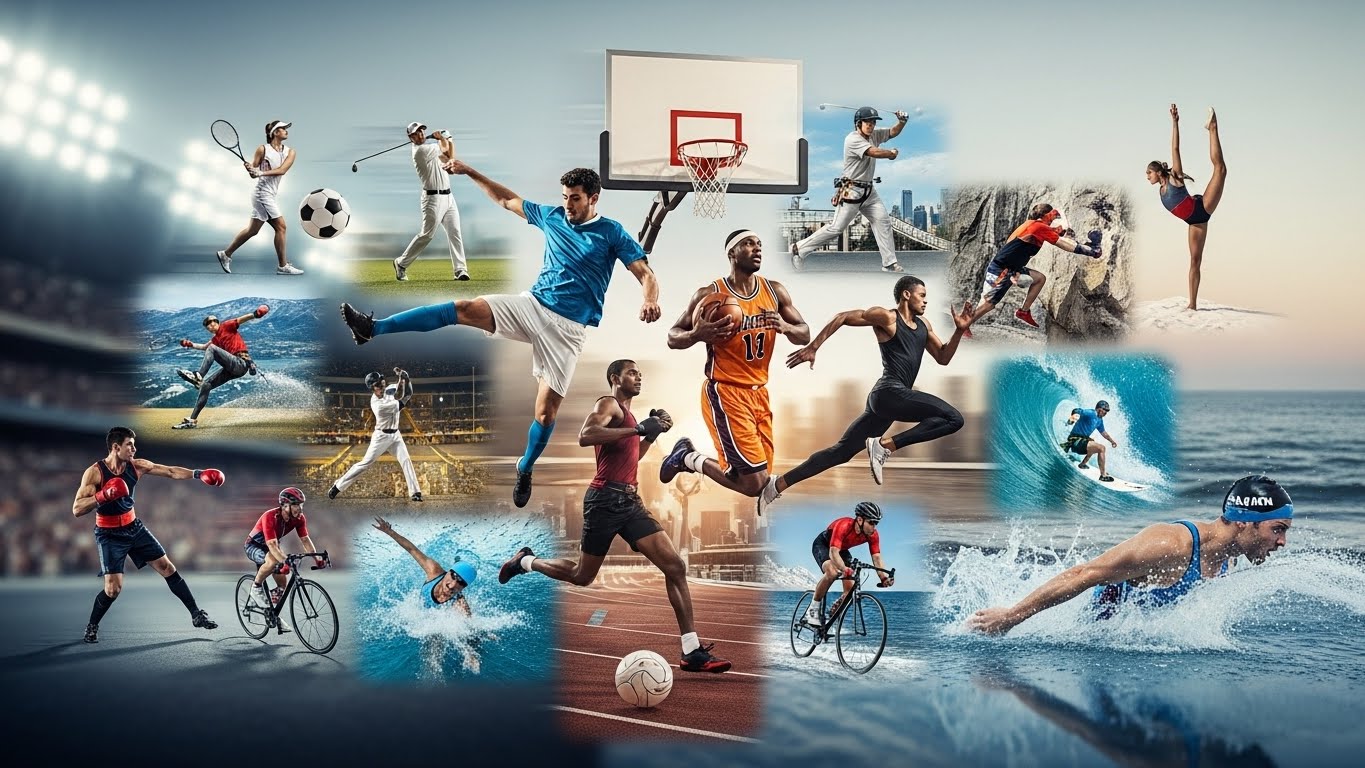
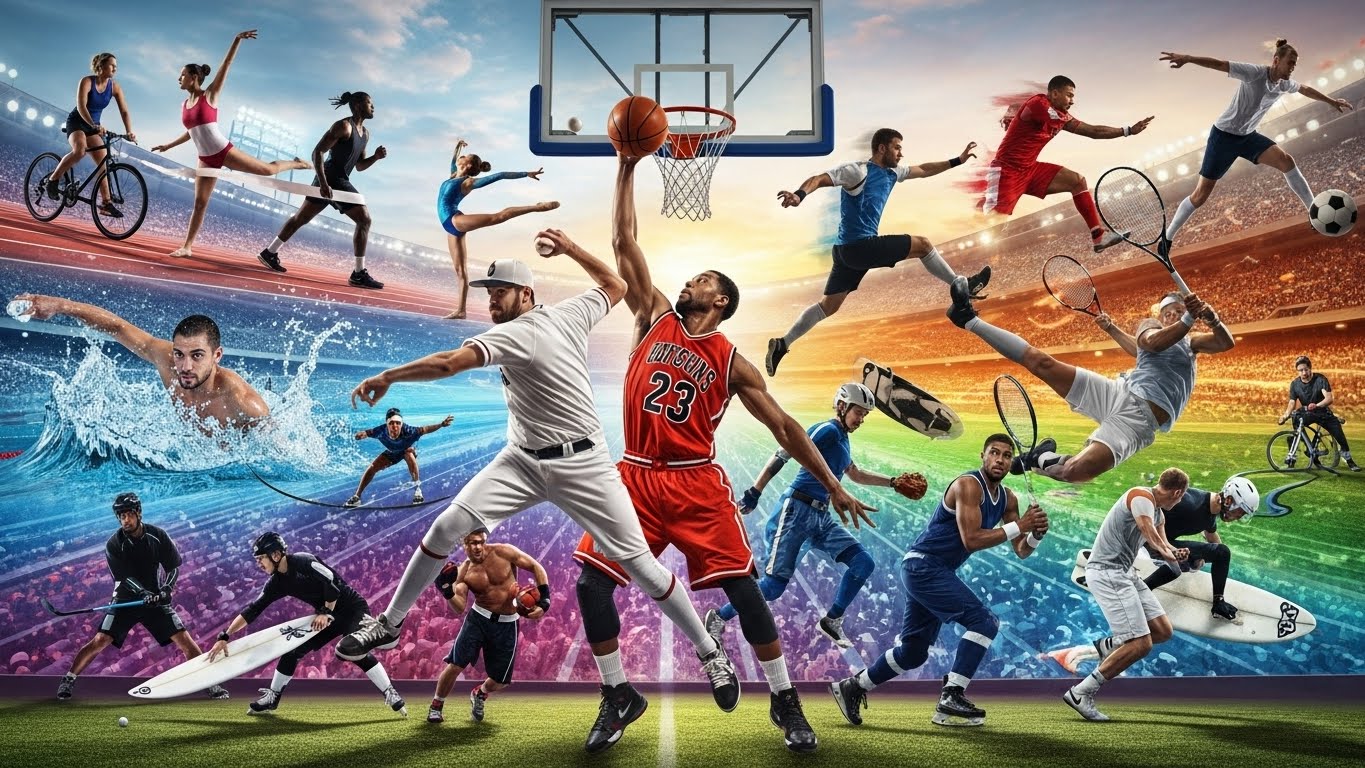
Sports have been a vital part of human culture for centuries, transcending language, geography, and social boundaries. They offer more than just physical activity—they inspire teamwork, discipline, and resilience while bringing communities together. From ancient Olympic competitions to modern professional leagues, sports serve as a mirror of societal values and aspirations. They entertain, challenge, and unite people, providing a platform for both personal achievement and collective celebration. In today’s world, sports influence not only physical fitness but also social interaction, economy, and culture.
The Evolution of Sports
Sports have evolved alongside civilization. Early societies engaged in physical competitions for recreation, religious rituals, or military training. Wrestling, running, and spear-throwing contests were popular in ancient civilizations such as Greece, Egypt, and China. The Olympic Games, originating in ancient Greece, set a precedent for organized international sports competitions. Over time, sports became formalized with codified rules, standardized equipment, and professional organizations. Modern sports leagues, international competitions, and technological advancements have elevated the level of play and global engagement, making sports a central element of contemporary life.
Physical and Mental Benefits of Sports
Engaging in sports provides numerous physical and mental health benefits. Regular participation improves cardiovascular health, builds strength, enhances flexibility, and supports overall fitness. Beyond physical health, sports contribute to mental well-being by reducing stress, improving focus, and boosting self-confidence. Team sports encourage social interaction, communication, and collaboration, while individual sports foster self-discipline and resilience. Athletes learn to overcome challenges, set goals, and manage pressure, lessons that extend far beyond the field, shaping character and personal development.
The Social Impact of Sports
Sports play a crucial role in fostering community and social cohesion. Local leagues, school competitions, and professional events bring people together, promoting shared experiences and collective identity. Sports can bridge cultural and social divides, creating opportunities for collaboration and mutual respect. Fans rally behind teams, building camaraderie and a sense of belonging. Community-based sports programs also empower youth, teaching life skills, leadership, and teamwork. Through social interaction and shared enthusiasm, sports strengthen societal bonds and promote cultural understanding.
Sports as a Career
Professional sports offer opportunities beyond entertainment. Athletes dedicate their lives to mastering skills, competing at elite levels, and representing clubs or countries. Careers in sports extend beyond playing to include coaching, sports medicine, management, media, and analytics. Professional sports provide economic opportunities and inspire younger generations to pursue their dreams. The discipline, strategy, and dedication required to succeed professionally also instill life-long habits and transferable skills applicable in various fields outside sports.
Technology in Sports
Technology has revolutionized how sports are played, analyzed, and experienced. Performance tracking tools, wearable devices, and motion analysis help athletes optimize training and reduce injury risks. Video review systems, such as VAR in football, ensure fairer competition and accurate decision-making. Broadcasting technologies allow fans worldwide to watch live events in high-definition, enhancing accessibility and engagement. Virtual reality and augmented reality are emerging in training and fan experiences, providing immersive simulations and interactive platforms. Technology continues to elevate sports performance, strategy, and spectator enjoyment.
The Role of Sports in Education
Sports play an essential role in educational settings. Participation in school and college sports programs develops physical fitness, teamwork, and leadership. Student-athletes learn time management, perseverance, and the value of practice. Sports also provide scholarship opportunities, enabling talented individuals to access higher education. Beyond competition, school sports foster inclusivity, build self-esteem, and encourage students to pursue lifelong healthy habits. By integrating physical activity with academic development, sports contribute to holistic education and personal growth.
Global Competitions and International Unity
Sports have the unique ability to unite nations through global competitions. Events like the Olympic Games, FIFA World Cup, and international championships showcase talent, foster diplomacy, and promote cultural exchange. Athletes become ambassadors of their countries, representing national pride and identity. International tournaments also encourage collaboration among nations and highlight shared values of sportsmanship, discipline, and fair play. Through competition and celebration, sports strengthen international relations and cultivate a sense of global community.
Sports and Entertainment
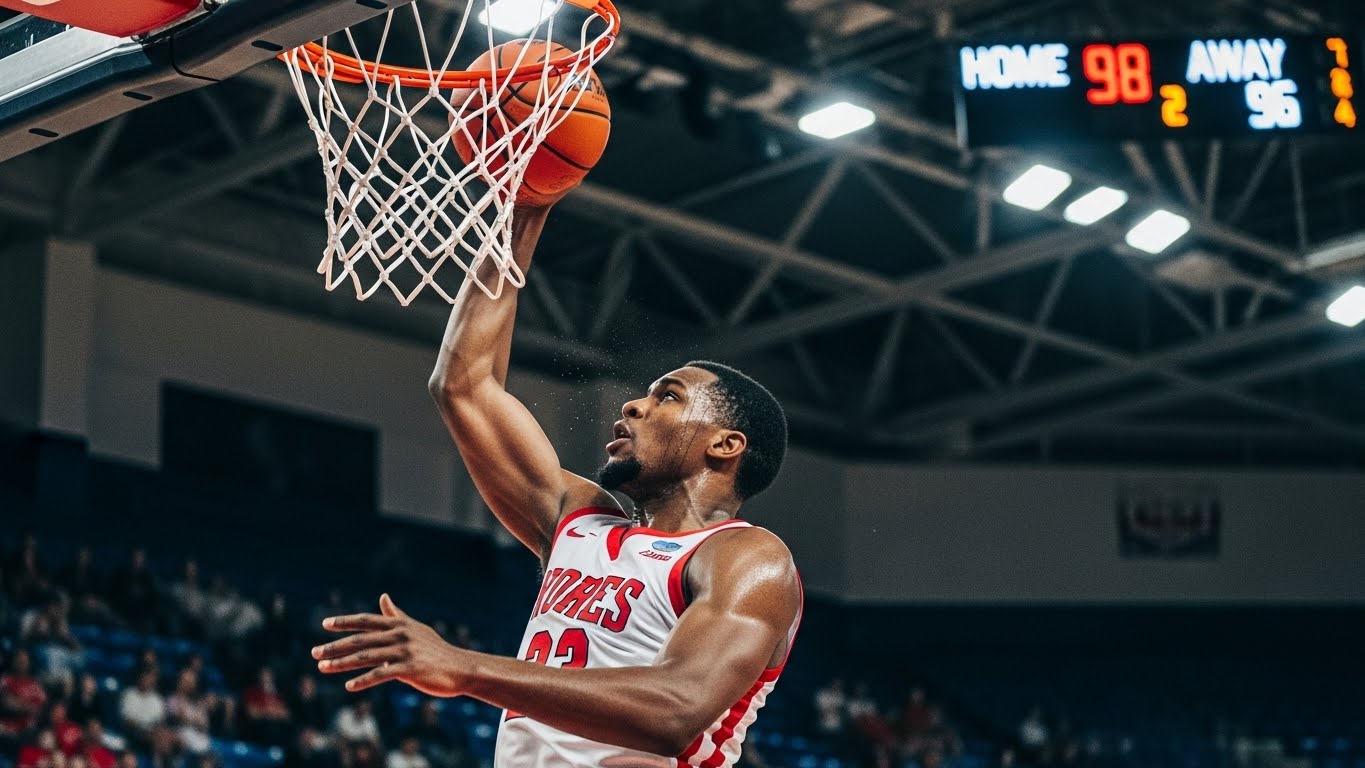
Modern sports have become a major form of entertainment. Professional leagues, live events, and televised broadcasts attract millions of viewers, blending athleticism with spectacle. Sports celebrities influence culture, fashion, and media trends, creating a unique intersection of performance and entertainment. Fantasy leagues, sports commentary, and digital platforms allow fans to engage with games actively, predicting outcomes and celebrating achievements. The entertainment aspect of sports enhances fan experience, drives revenue, and strengthens the connection between athletes and audiences.
The Economic Impact of Sports
Sports contribute significantly to the global economy. Professional leagues, sponsorships, ticket sales, merchandising, and media rights generate billions of dollars annually. Sporting events create jobs in hospitality, marketing, training, and management. Local economies benefit from stadiums, tournaments, and tourism. Additionally, the growth of sports technology and fitness industries has created new business opportunities and innovation. The economic impact of sports highlights its value not only as recreation but also as a vital contributor to national and global development.
Sports and Culture
Sports influence cultural identity and social norms. Iconic athletes become role models, inspiring youth and influencing public behavior. Sporting traditions, rituals, and fan practices form integral parts of cultural heritage. National teams and local clubs foster pride, belonging, and collective memory. Sports also serve as a platform to address social issues, promote inclusion, and encourage diversity. By reflecting and shaping cultural values, sports act as a dynamic force in both personal and societal development.
Youth Sports and Development
Participation in youth sports is crucial for physical, social, and emotional development. Children and teenagers learn discipline, resilience, and teamwork through structured programs. Youth sports instill values such as fairness, commitment, and responsibility. Beyond skill development, sports provide a safe environment for children to socialize, build confidence, and explore their potential. Encouraging youth involvement ensures a lifelong appreciation for physical activity and lays the foundation for future athletes, leaders, and active citizens.
Sports and Technology in Training
Modern sports training relies heavily on technology to enhance performance. Data analytics help coaches track player progress, optimize strategies, and prevent injuries. Biomechanics, virtual simulations, and smart equipment allow athletes to refine techniques and improve efficiency. Recovery tools, including cryotherapy and wearable monitors, assist in maintaining peak physical condition. These innovations not only improve athletic performance but also extend careers and reduce risks, demonstrating how technology complements human skill and dedication.
Women in Sports
The role of women in sports has grown significantly, breaking barriers and challenging stereotypes. Female athletes compete at elite levels across all major sports, inspiring new generations of players. Media coverage, sponsorship, and professional leagues for women continue to expand, promoting gender equality in sports. Women’s participation fosters inclusivity, diversity, and empowerment, highlighting the importance of equal opportunities and representation in athletic competition. Celebrating achievements in women’s sports strengthens societal progress and cultural acceptance.
The Future of Sports
The future of sports promises exciting developments in technology, training, and fan engagement. Wearable devices, AI-driven analytics, and virtual reality will enhance both athlete performance and spectator experience. Globalization will increase cross-cultural competitions, while grassroots initiatives will continue to promote inclusivity and youth engagement. Sustainable practices in stadiums, events, and sports manufacturing will reduce environmental impact. As sports evolve, they will continue to inspire, challenge, and unite people worldwide, maintaining their central role in culture and society.
Conclusion: More Than Just a Game
Sports are far more than a form of entertainment; they are a powerful tool for personal development, social cohesion, cultural identity, and economic growth. They teach resilience, teamwork, and discipline, while fostering unity and celebration across communities and nations. Technological advancements continue to enhance performance, engagement, and accessibility, making sports more inclusive and interactive than ever before. By inspiring individuals and connecting societies, sports remain a vital force that shapes both personal lives and the world at large. The influence of sports is enduring, reminding us that the game is never just about winning—it is about growth, connection, and shared humanity.