Introduction
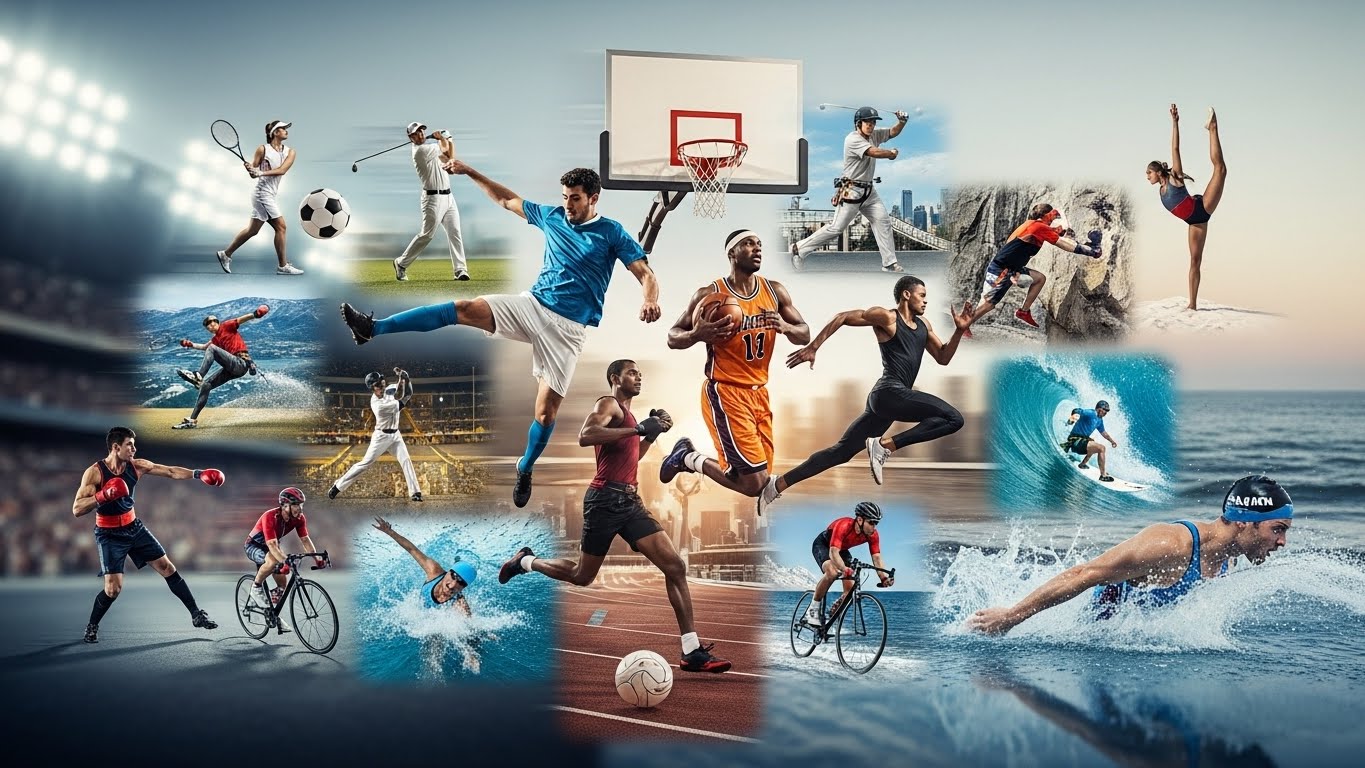
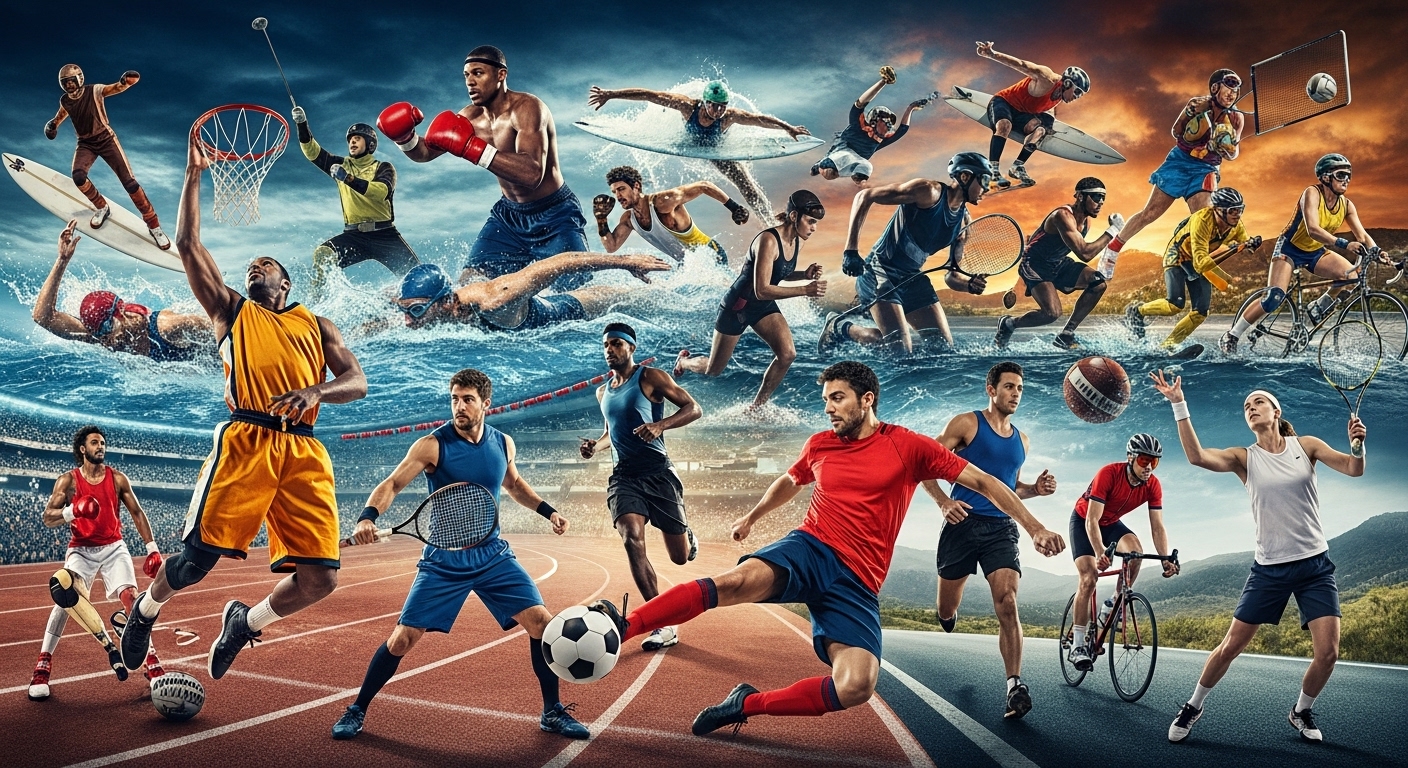
Sports have always been an integral part of human civilization. From ancient times when communities gathered to watch competitions to the global sporting events of today, sports have been more than just games—they are expressions of human passion, determination, and creativity. Across cultures, sports serve as a universal language, connecting people, inspiring generations, and shaping communities. In this post, we explore the multifaceted impact of sports on individuals, society, and the future.
The Universal Appeal of Sports
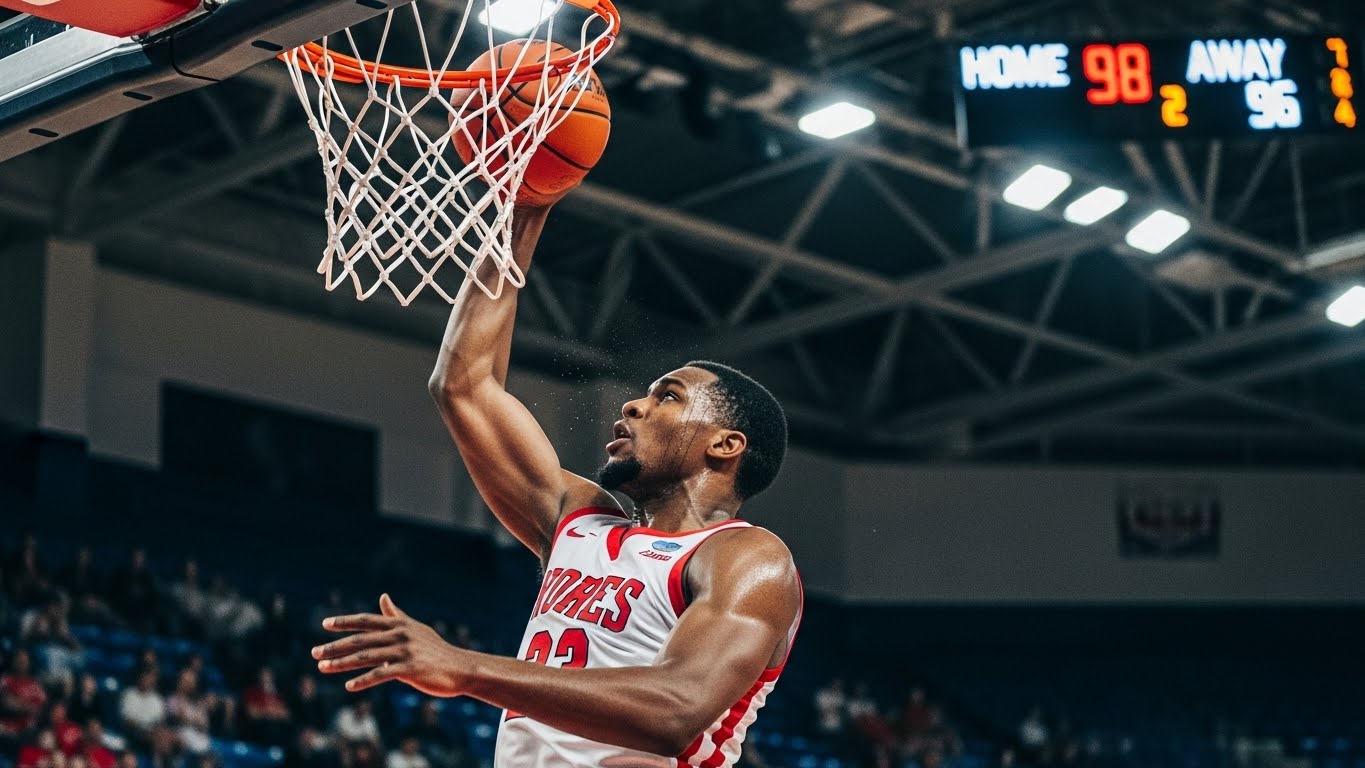
One of the most fascinating aspects of sports is their universal appeal. Regardless of language, culture, or geography, sports have the power to capture attention and stir emotions. A goal scored in a football match, a decisive three-pointer in basketball, or a record-breaking sprint in athletics can evoke excitement and admiration worldwide. This universality makes sports a bridge between people, fostering connections that transcend differences in culture or nationality.
The appeal of sports lies not only in the spectacle but also in the stories they tell. Every match or competition is filled with human drama—the triumphs, the struggles, and the moments of brilliance. These stories resonate because they reflect the human experience of hard work, perseverance, and ambition.
Personal Growth Through Sports
Sports are more than just physical activity—they are a pathway to personal growth. Participation in sports teaches discipline, resilience, teamwork, and strategic thinking. For young athletes, these lessons start on school fields and local playgrounds, shaping their character and mindset. Learning to handle both victory and defeat instills humility, patience, and emotional control, qualities that extend far beyond the sports arena.
Physically, sports promote fitness, coordination, and health. Regular engagement in sports activities strengthens the cardiovascular system, improves stamina, and enhances overall well-being. Mentally, sports help reduce stress, improve focus, and boost self-confidence. These combined benefits make sports a holistic tool for personal development.
Sports as a Cultural Connector
In a world often divided by politics, religion, and ideology, sports serve as a powerful cultural connector. International tournaments and championships bring together athletes and fans from diverse backgrounds, fostering mutual respect and understanding. Through these events, people share not only competitive spirit but also traditions, music, and stories unique to their culture.
Local sports leagues and community events also contribute to cultural integration. Teams often include players from different backgrounds, encouraging collaboration and mutual respect. The sense of belonging created through shared sports experiences strengthens communities and promotes social harmony.
The Emotional Power of Sports
Few experiences in life evoke emotions as intensely as sports. The thrill of a closely contested match, the heartbreak of a last-minute defeat, and the joy of witnessing historic moments create powerful emotional connections. Fans invest deeply in their favorite teams and athletes, experiencing collective highs and lows.
Athletes themselves undergo a range of emotions. The discipline required for training, the pressure of competition, and the euphoria of success contribute to a profound emotional journey. These experiences help shape resilience, empathy, and a deeper understanding of human capability. Sports are unique in their ability to teach emotional intelligence through real-life challenges.
The Role of Sports in Youth Development
Youth engagement in sports is critical for building future generations. Participation from a young age promotes physical health, social skills, and cognitive development. Children learn the value of teamwork, leadership, and goal-setting. Organized sports provide a structured environment where young people can channel their energy productively and learn to navigate challenges.
Sports also encourage social interaction, helping children build friendships and develop a sense of community. By working toward shared goals, children experience the importance of cooperation and mutual support. This foundation benefits them not only in athletics but also in academics and future careers.
Sports and Community Building
Communities thrive when sports are embraced as a tool for unity. Local tournaments, school events, and community leagues create spaces where people come together for shared experiences. These events promote social cohesion, provide role models for youth, and strengthen neighborhood ties.
Sports programs often serve as platforms for social change. Initiatives that use sports to encourage education, reduce poverty, or promote health awareness demonstrate the positive impact of athletic engagement. Communities that prioritize sports often see increased participation, improved health outcomes, and stronger civic engagement.
The Economic Significance of Sports
Beyond personal and social benefits, sports are major economic drivers. Stadiums, professional leagues, merchandising, sponsorships, and media rights generate substantial revenue globally. Sports events stimulate tourism, create employment opportunities, and contribute to local economies.
At the grassroots level, recreational programs, sports academies, and local clubs create jobs while promoting healthy lifestyles. Technological advancements in equipment, performance analytics, and broadcasting also drive economic growth while enhancing both athlete performance and fan experience. Sports, therefore, play a critical role in shaping modern economies.
Sportsmanship: The Core of Competition
At its heart, sportsmanship defines the ethical and moral dimensions of athletic competition. Respecting opponents, following rules, and demonstrating integrity elevate sports beyond physical contests. True sportsmanship values fairness, encourages cooperation, and celebrates effort, regardless of the outcome.
The lessons of sportsmanship extend beyond the field, influencing professional, academic, and social interactions. Athletes who exhibit fairness and integrity inspire others to uphold similar values in their personal and professional lives. Sportsmanship, in essence, is the soul of all sporting activity.
The Future of Sports in the Digital Age
Technology is transforming the world of sports at an unprecedented pace. Digital tools, analytics, and virtual training methods enhance athletic performance and fan engagement. Live streaming, instant replays, and virtual reality experiences allow fans to interact with sports in ways previously unimaginable.
Emerging fields like esports are redefining the concept of competition, attracting massive audiences and challenging traditional definitions of athleticism. Despite these technological advancements, the fundamental thrill of human competition, skill, and teamwork remains unchanged. Sports continue to adapt, evolve, and captivate audiences worldwide.
Conclusion
Sports are far more than physical contests—they are a reflection of human ambition, resilience, and creativity. They inspire individuals, unify communities, and drive social and economic progress. From youth leagues to global championships, sports teach invaluable lessons about discipline, teamwork, and perseverance.
The emotional impact of sports, combined with their ability to transcend cultural and social barriers, ensures that they remain a cornerstone of human experience. As technology continues to expand the possibilities of sports, their core essence—the joy of competition, the pursuit of excellence, and the power to unite—remains timeless. Sports are not just games; they are a celebration of the human spirit and a testament to what people can achieve when passion meets purpose.