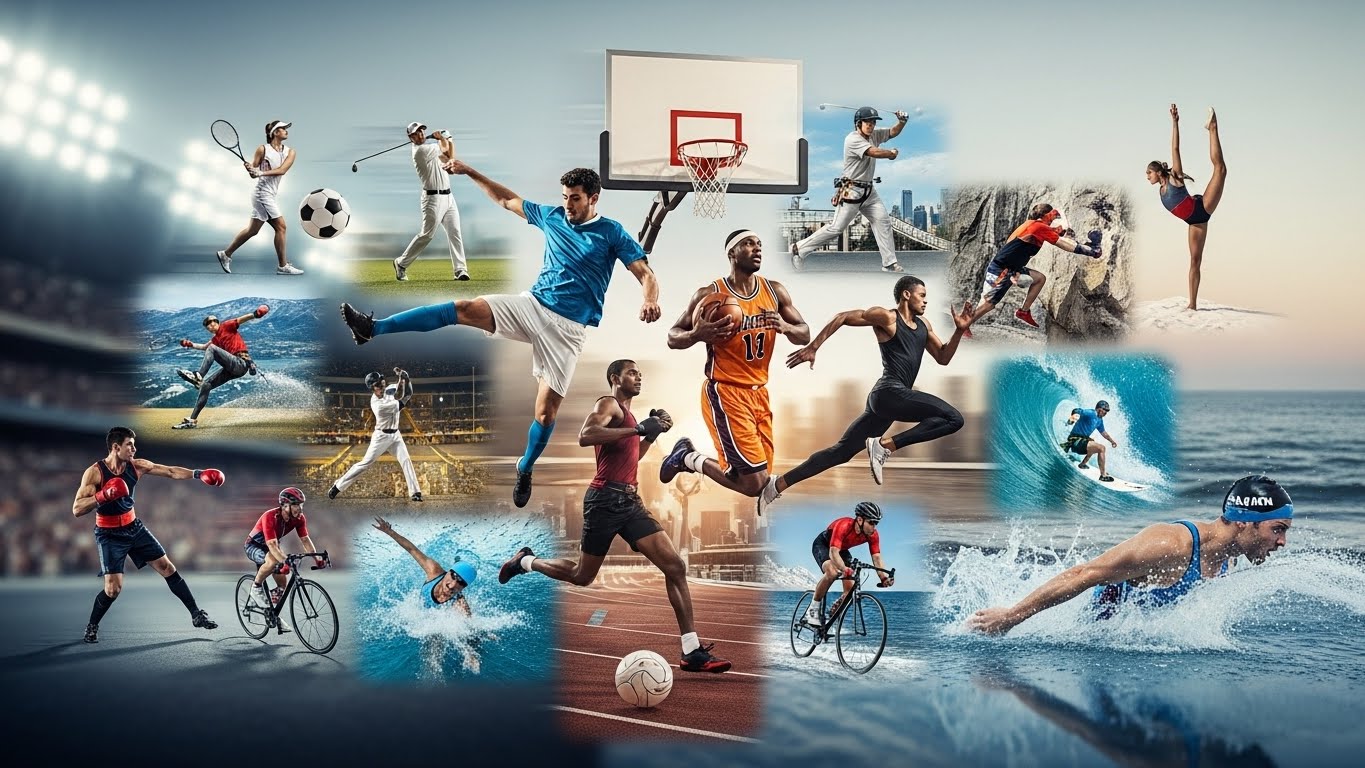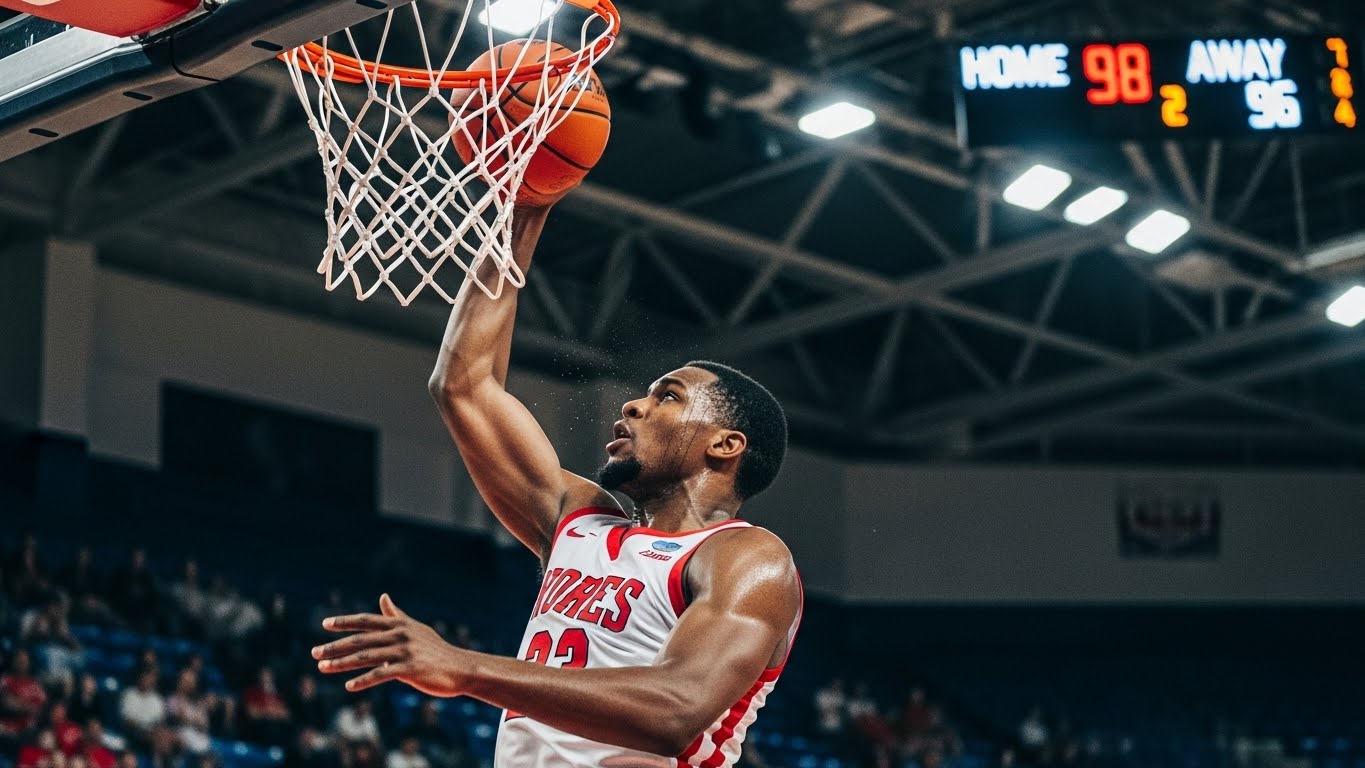
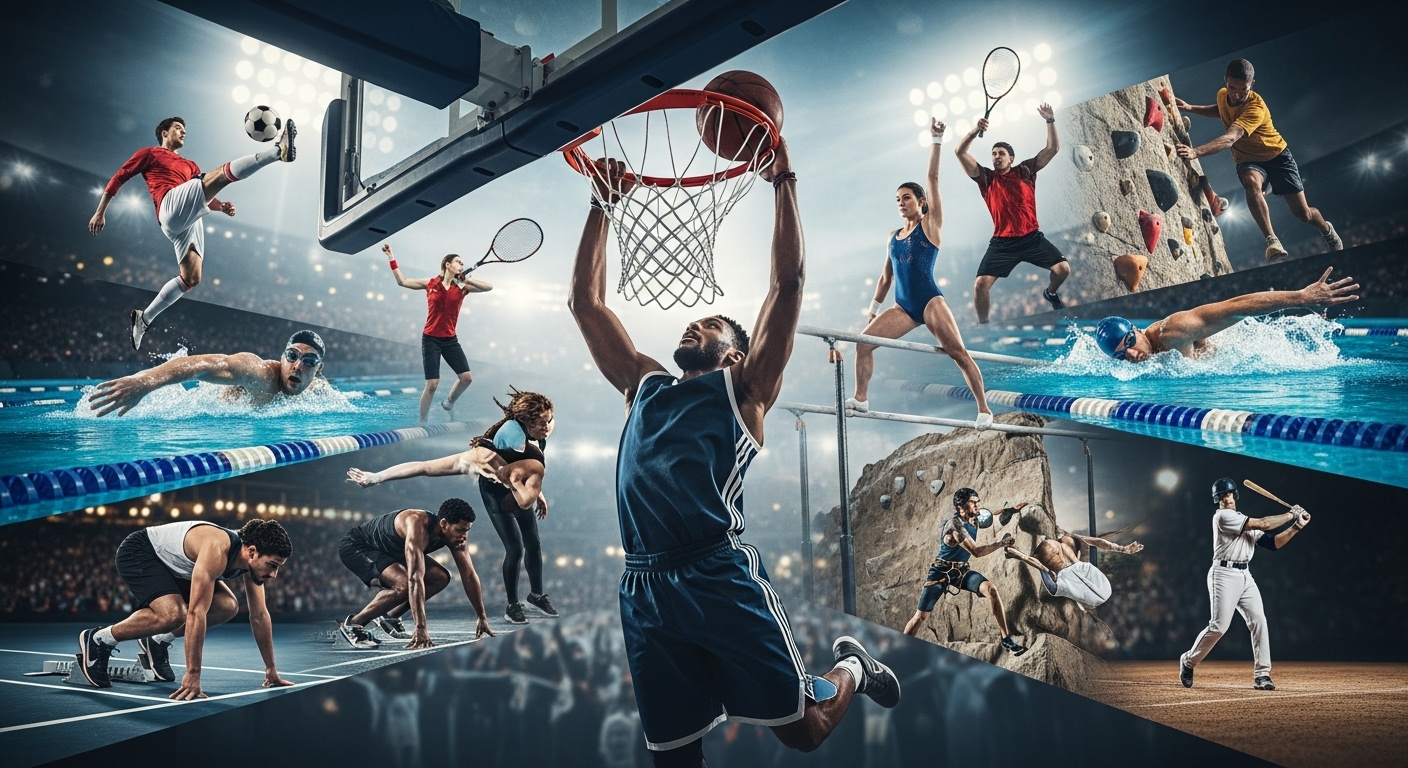
Sports have been an integral part of human civilization for thousands of years. From the early Olympic Games in ancient Greece to modern-day global tournaments, sports have shaped societies, inspired generations, and fostered a sense of unity among people worldwide. They are more than just physical activities—they are a reflection of culture, discipline, and human potential.
The Origins of Sports
The history of sports is as old as human civilization itself. Early humans engaged in physical activities for survival, such as hunting, running, and combat training. These activities gradually evolved into organized games and competitions, often tied to religious ceremonies or festivals. Ancient civilizations like Egypt, Greece, and Rome showcased sports as a form of public entertainment and social bonding. The Olympic Games, first held in 776 BCE in Greece, remain one of the most iconic examples of sports’ historical significance.
Over time, sports became more structured with standardized rules, teams, and leagues. Different regions developed unique forms of sports, which eventually influenced the global landscape we see today. Cricket in England, soccer in Europe, baseball in the United States, and martial arts in Asia are prime examples of sports deeply rooted in cultural identity.
Physical and Mental Benefits of Sports
Engaging in sports offers profound benefits for both the body and the mind. Physically, sports improve cardiovascular health, strengthen muscles, enhance flexibility, and boost endurance. Athletes often develop superior motor skills, coordination, and reflexes compared to non-athletes. Regular participation in sports also helps prevent chronic diseases like diabetes, hypertension, and obesity.
Mentally, sports play a crucial role in stress reduction and emotional stability. Physical activity stimulates the release of endorphins, often referred to as the body’s natural “feel-good” hormones. These chemicals promote happiness, reduce anxiety, and enhance overall mental well-being. Furthermore, sports cultivate discipline, focus, resilience, and strategic thinking—qualities essential for success both on and off the field.
Popular Sports Around the World
The world of sports is vast and diverse, encompassing thousands of games across different cultures. Among the most popular are soccer, basketball, cricket, tennis, and athletics.
Soccer: The Global Game
Soccer, or football as it is known outside the United States, is the most widely played and watched sport in the world. With simple rules and minimal equipment requirements, it is accessible to millions of people across continents. Major events like the FIFA World Cup capture the attention of billions, transcending national borders and cultural differences. Soccer is celebrated for its teamwork, skill, and strategic depth. Legendary players such as Pelé, Diego Maradona, Lionel Messi, and Cristiano Ronaldo have inspired countless aspiring athletes worldwide.
Basketball: A Game of Agility and Strategy
Basketball has grown into a global phenomenon, originating in the United States in the late 19th century. The game emphasizes agility, coordination, and strategic thinking. Players must master dribbling, shooting, passing, and defensive skills to succeed. The NBA, the premier basketball league, showcases some of the finest talents in the sport, including legends like Michael Jordan, LeBron James, and Kobe Bryant. Beyond professional leagues, basketball is widely played in schools and communities, promoting fitness and teamwork.
Cricket: A Test of Patience and Skill
Cricket, with its origins in England, is particularly popular in countries like India, Pakistan, Australia, and England. The sport combines physical endurance with tactical acumen, and matches can range from short Twenty20 games to five-day Test matches. Cricket players are celebrated not only for their technical skill but also for their ability to remain composed under pressure. Icons such as Sachin Tendulkar, Brian Lara, and Virat Kohli have left an indelible mark on the sport.
Tennis: Precision and Mental Fortitude
Tennis is a sport that blends precision, speed, and endurance. Played individually or in doubles, it challenges athletes both physically and mentally. The sport has produced legendary rivalries, including Roger Federer vs. Rafael Nadal and Serena Williams vs. Venus Williams, which have captivated audiences for decades. Tennis teaches focus, strategic thinking, and perseverance, qualities that transcend the court and influence personal growth.
Athletics: The Essence of Human Potential
Athletics, encompassing track and field events, represents the purest form of human competition. From sprints to marathons, long jumps to pole vaulting, athletics tests speed, strength, and stamina. The Olympic Games continue to celebrate these events, inspiring athletes to push the boundaries of human potential. Icons like Usain Bolt, Carl Lewis, and Florence Griffith-Joyner symbolize the extraordinary heights that dedication and talent can achieve.
The Role of Sports in Society
Sports serve as a unifying force in society. They bridge social, economic, and cultural divides, bringing people together regardless of background. Sporting events often become cultural phenomena, fostering national pride and community spirit. For instance, major tournaments like the FIFA World Cup or the Olympics not only showcase athletic excellence but also highlight shared human values such as teamwork, fair play, and perseverance.
Beyond entertainment, sports play a critical role in education and youth development. School sports programs instill discipline, teamwork, and leadership skills in children and adolescents. Participation in sports encourages healthy lifestyles and provides a constructive outlet for energy and creativity. For many young people, sports serve as a pathway to higher education, scholarships, and even professional careers.
Technology and Innovation in Sports
The landscape of sports has been dramatically transformed by technology and innovation. Video analysis, wearable fitness trackers, and data analytics have revolutionized training, strategy, and injury prevention. Coaches and athletes now have access to precise performance metrics, enabling them to optimize techniques and improve outcomes.
Virtual reality and augmented reality are also beginning to influence sports experiences. Fans can now engage with games through immersive technologies, while athletes can simulate real-game scenarios during training. Moreover, the rise of e-sports—competitive video gaming—has expanded the definition of sports in the 21st century, attracting millions of fans and offering new professional opportunities.
Challenges in Modern Sports
Despite the numerous benefits and excitement sports provide, there are challenges that the industry faces today. One significant issue is the prevalence of doping and performance-enhancing drugs. These substances compromise fairness, undermine integrity, and pose serious health risks to athletes. Sports governing bodies continue to implement strict anti-doping regulations, but the battle remains ongoing.
Financial inequality is another challenge. Professional sports leagues often generate enormous revenues, but many grassroots programs struggle to access funding, limiting opportunities for aspiring athletes. Additionally, commercialization and media influence sometimes prioritize profit over sportsmanship, leading to ethical concerns and pressure on players.
Injuries are an inherent risk in sports, ranging from minor strains to career-threatening conditions. While advancements in sports medicine have improved treatment and recovery, the physical toll on athletes remains significant. Maintaining a balance between performance, safety, and long-term health is an ongoing concern for athletes and organizations alike.
Women in Sports
Women’s participation in sports has grown tremendously over the past century. Once restricted by societal norms and gender biases, women now compete at the highest levels in nearly every sport. Trailblazers like Billie Jean King, Serena Williams, Mia Hamm, and Simone Biles have shattered barriers and inspired future generations.
Despite progress, women athletes often face disparities in pay, media coverage, and sponsorship opportunities compared to their male counterparts. Efforts to promote equality, visibility, and representation in sports continue to gain momentum worldwide. Recognizing the achievements of women athletes is crucial to fostering an inclusive and diverse sporting culture.
Sports and Mental Health
While sports enhance mental health for many, they can also present challenges for athletes. High expectations, competitive pressure, and public scrutiny can lead to anxiety, depression, and burnout. Mental health awareness in sports has become increasingly important, with organizations and professionals emphasizing psychological support, counseling, and holistic wellness for athletes.
Sports psychologists, mindfulness techniques, and stress management strategies have become integral to training programs. By prioritizing mental health alongside physical fitness, athletes can maintain balance, resilience, and peak performance throughout their careers.
Community and Grassroots Sports
Grassroots sports are the foundation of athletic development and community engagement. Local clubs, recreational leagues, and school programs provide opportunities for individuals of all ages to participate in physical activity. These initiatives foster social cohesion, promote healthy lifestyles, and nurture future professional athletes.
Community sports programs often serve as safe spaces for youth, encouraging positive behavior and personal growth. They teach teamwork, leadership, and perseverance while instilling a sense of belonging and identity. Supporting grassroots sports is essential to sustaining a vibrant and inclusive sporting culture.
The Future of Sports
The future of sports promises to be dynamic, inclusive, and innovative. Advances in technology, science, and training methods will continue to push the boundaries of human performance. Sports are likely to become more globalized, with emerging nations contributing to international competitions and diversifying the talent pool.
Inclusivity will play a pivotal role, with adaptive sports for differently-abled athletes gaining prominence and equal opportunities for women athletes becoming standard. Moreover, sustainability in sports—such as eco-friendly stadiums and environmentally conscious events—will shape the industry in the coming decades.
E-sports and virtual competitions are set to redefine how people engage with sports, creating new fan communities and career paths. The blending of physical and digital experiences will offer innovative ways to experience athletic excellence while preserving the traditional values of sportsmanship and competition.
Conclusion
Sports are more than a pastime—they are a reflection of human passion, perseverance, and potential. They transcend borders, inspire generations, and enrich communities worldwide. From the adrenaline of a last-minute goal to the grace of a perfectly executed gymnastics routine, sports capture the essence of effort, dedication, and achievement.
Whether at a professional level, in schools, or at the community level, sports play a vital role in shaping society, promoting health, and fostering unity. As technology, inclusivity, and global connectivity continue to evolve, the world of sports will undoubtedly grow richer, more exciting, and more impactful than ever before.
Through participation, viewership, and support, every individual can contribute to the enduring legacy of sports—a legacy that celebrates not just victory, but the spirit of human endeavor itself.