
Introduction
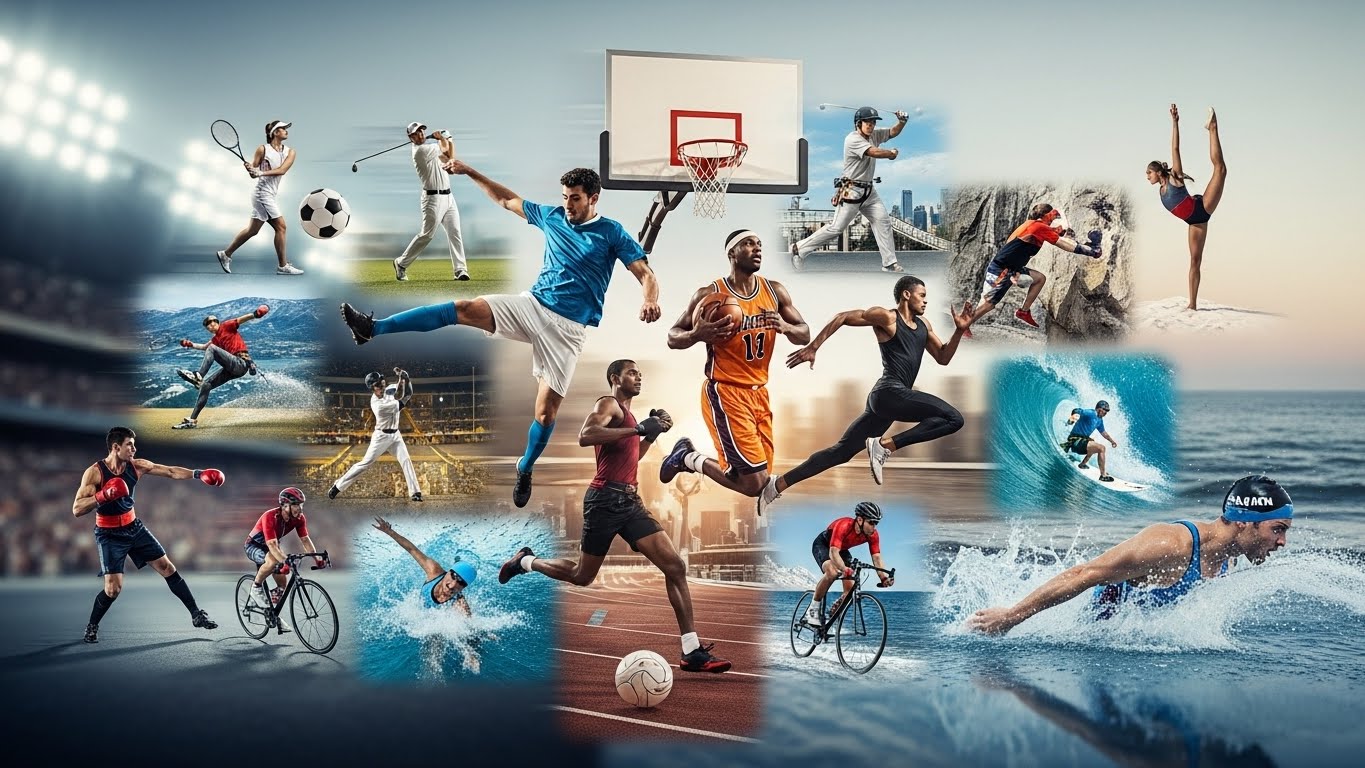
Sports are not merely a form of entertainment; they are a reflection of human passion, perseverance, and purpose. From the earliest foot races in ancient civilizations to today’s global tournaments broadcast to billions, sports have always captured the essence of human determination. They unite nations, shape cultures, and teach life lessons that extend far beyond the field or court. In every game, there is strategy, teamwork, and spirit—a microcosm of life itself. This blog explores how sports influence personal growth, build communities, and shape the world we live in today, while also examining their historical evolution, psychological impact, and technological transformation.
The Ancient Roots of Sports
The story of sports begins long before modern stadiums and sponsorships. Thousands of years ago, physical competition was part of survival. Early humans ran, hunted, and wrestled as a test of strength and endurance. Over time, these activities evolved into organized games that celebrated skill and courage.
The ancient Greeks formalized sports through the Olympic Games, first held in 776 BCE. These events were not only athletic contests but also cultural festivals celebrating unity and excellence. Similarly, ancient Egyptians played games like archery and swimming, while the Chinese developed martial arts that combined physical ability with mental discipline. Across the world, sports became a vital element of civilization—an expression of both physical prowess and spiritual harmony.
Sports as a Universal Language
Sports have an extraordinary power to transcend language, culture, and nationality. A soccer ball kicked in a Brazilian favela carries the same joy as one kicked in an African village or a European city. No matter where we come from, the emotions of victory and defeat, teamwork and rivalry, are universally understood.
This unifying nature makes sports a powerful global connector. Events like the Olympics and the FIFA World Cup bring together people from every continent, celebrating diversity through healthy competition. During these moments, borders fade and humanity becomes one audience. Sports demonstrate that, despite our differences, we share a collective spirit of ambition, respect, and hope.
The Role of Sports in Personal Development
Sports are among the most effective teachers of life skills. They cultivate discipline, patience, teamwork, and perseverance—traits essential for success in any field. On the playing field, athletes learn that success is earned through hard work and consistency. They face challenges, adapt strategies, and grow stronger through both victories and defeats.
For children, sports are a foundation for physical fitness and character development. They teach the value of fair play, respect for others, and the importance of self-control. Young athletes learn how to lead and follow, understanding the power of collaboration.
For adults, sports serve as an outlet for stress and a means to maintain mental and physical health. Whether running in the park or playing weekend cricket, sports remind us that the body and mind function best when challenged.
Teamwork: The Heartbeat of Every Game
No matter how skilled an individual may be, teamwork lies at the core of every successful sport. In football, a single pass can decide a game; in basketball, a well-timed assist can change the outcome. Sports teach that unity and cooperation create strength far greater than individual talent.
Athletes learn to trust one another, communicate effectively, and set aside personal ambitions for the collective goal. These lessons extend into the workplace and community, where collaboration and empathy are equally valuable. The concept of “team spirit” learned in sports becomes a lifelong asset, applicable in every human endeavor.
Women in Sports: Breaking Barriers and Redefining Strength
For centuries, women faced societal barriers that limited their participation in competitive sports. However, history is filled with women who defied these restrictions and paved the way for equality. Icons such as Billie Jean King, Serena Williams, and Simone Biles have redefined athleticism and inspired millions across the globe.
Today, women’s sports are gaining recognition and respect. Female athletes are proving that strength, skill, and resilience know no gender. They are role models for young girls, showing that determination and passion can overcome any obstacle. The growing visibility of women in sports is not only transforming athletic culture but also empowering women in all walks of life.
The Psychological Power of Sports
Sports are as much a mental battle as they are a physical one. Every athlete must master focus, confidence, and emotional control to succeed. The pressure to perform, the fear of failure, and the need to remain composed under stress build incredible psychological resilience.
Participating in sports also benefits mental health. Physical activity releases endorphins that improve mood, reduce anxiety, and combat depression. The sense of accomplishment and belonging gained from sports boosts self-esteem and confidence. Even as spectators, people experience emotional highs and connections that enhance their sense of community and joy.
Sports psychology has become a crucial part of athletic training. Coaches now understand that success depends not only on physical ability but also on mental strength. Techniques such as visualization, meditation, and positive thinking are helping athletes unlock their full potential.
Technology and the Modern Sports Revolution
The integration of technology has reshaped the world of sports in remarkable ways. From smart training equipment to instant replay systems, innovation has enhanced both performance and fairness. Data analytics now play a major role in tracking an athlete’s progress, measuring speed, strength, and accuracy.
Wearable devices monitor heart rates and recovery times, allowing coaches to design personalized training programs. Video analysis tools help identify flaws and improve techniques, while virtual reality simulations enable athletes to practice in lifelike environments.
Technology has also changed how fans experience sports. High-definition broadcasting, virtual reality viewing, and digital commentary bring audiences closer to the action than ever before. Despite these advancements, the heart of sports remains unchanged—the human passion for competition and improvement.
Sports and Social Change
Sports have long served as a platform for social and political change. Athletes have used their voices to promote equality, justice, and unity. From Muhammad Ali’s stand against racial discrimination to athletes raising awareness about mental health and gender equality, sports have become a stage for activism.
Community-based sports programs also play a vital role in shaping societies. They provide underprivileged youth with opportunities for growth, education, and empowerment. Through sports, individuals learn discipline and teamwork—qualities that help them overcome social and economic barriers.
Moreover, sports often bring hope to communities in conflict. Peacebuilding initiatives that use sports as a bridge between divided groups have shown that competition can foster understanding and cooperation.
The Economic and Cultural Impact of Sports
Sports are not just emotional and physical experiences; they are major economic drivers. From local clubs to global leagues, sports generate billions in revenue through sponsorships, broadcasting, and merchandise. Sporting events boost tourism, create jobs, and stimulate economies.
At a cultural level, sports create shared identity and pride. Cities and nations rally behind their teams, forging unity and belonging. Local sports traditions—like cricket in South Asia, football in Europe, or baseball in America—become a part of national heritage. They connect generations and preserve collective memories.
Challenges in Modern Sports
Despite its many positives, the world of sports faces challenges. Issues such as doping, corruption, and commercialization threaten its integrity. The pressure to win at all costs can lead to unethical behavior and mental strain among athletes. Balancing competition with ethics is crucial for preserving the spirit of sports.
Another challenge lies in accessibility. Millions of talented youth lack the resources or infrastructure to pursue sports professionally. Governments and organizations must invest in community programs, training facilities, and scholarships to make sports opportunities available for all.
Climate change also poses a threat to outdoor sports, affecting training conditions and event scheduling. Sustainability must become a priority for the sporting world, ensuring that progress does not come at the planet’s expense.
The Future of Sports
The future of sports promises to be a fusion of innovation, inclusion, and inspiration. Artificial intelligence, robotics, and virtual reality will continue to transform how sports are played and watched. Athletes will push the limits of performance, supported by advanced medical science and analytics.
Esports, or competitive gaming, is also redefining the concept of sports, attracting millions of players and spectators worldwide. Its rise highlights that sports are not limited to physical prowess but also mental skill and strategy.
Inclusivity will play a central role in the future of sports. Adaptive sports for people with disabilities are gaining recognition, proving that athletic excellence belongs to everyone. The focus will shift toward equal opportunity, ethical governance, and sustainability, making sports a truly global and accessible movement.
Conclusion
Sports are one of humanity’s greatest creations—a perfect blend of passion, discipline, and unity. They teach us that success is not measured by trophies or records, but by growth, resilience, and the spirit of fair play. From a child’s first race to an athlete’s Olympic triumph, sports capture the pure essence of human potential.
They unite people in joy and sorrow, triumph and defeat, transcending all boundaries. Every game played, every goal scored, and every record broken is a celebration of what humanity can achieve through effort, courage, and collaboration.
In a world often divided by politics and prejudice, sports remind us of our shared humanity. They are more than competition—they are a symbol of hope, equality, and progress. The power of play continues to inspire generations, shaping a future where determination and unity will always triumph.