Introduction: The Universal Language of Sports
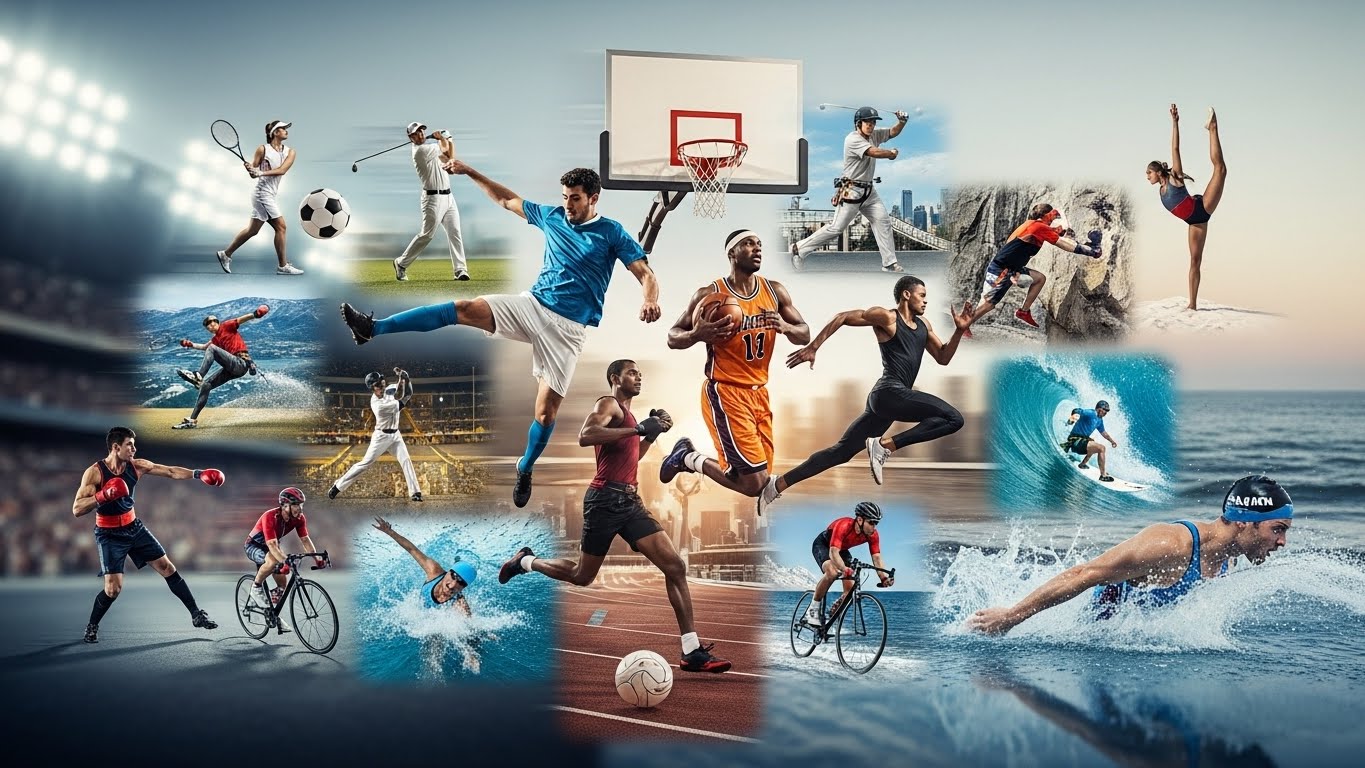
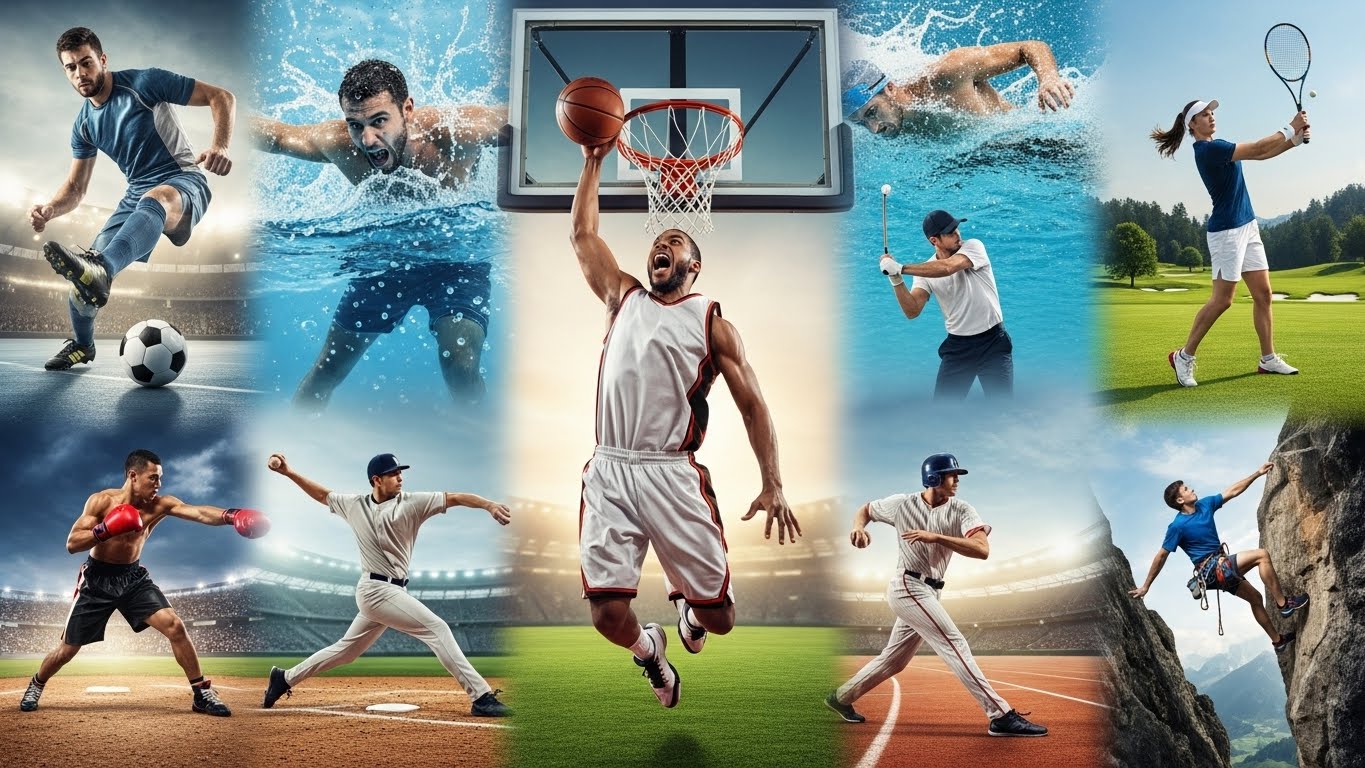
Sports have always been more than just physical contests. They are universal, transcending borders, languages, and cultures, bringing people together like few other activities can. From the local neighborhood game to global spectacles like the Olympics or the FIFA World Cup, sports have a profound impact on society. They shape identities, foster community spirit, and provide opportunities for personal growth. But the significance of sports goes beyond winning or losing. In this blog, we’ll explore how sports influence not just individuals, but entire communities and nations.
The Role of Sports in Building Character
Participating in sports offers an incredible opportunity for personal development. Whether you’re playing on a team or competing individually, sports challenge you to push your physical and mental limits. They teach valuable life lessons such as perseverance, discipline, and resilience.
The most obvious lesson is learning to deal with victory and defeat. Winning may come with a rush of pride, but losing teaches you humility, the importance of hard work, and the drive to improve. These lessons apply not only in sports but in life itself. A person who has been through the emotional rollercoaster of a sports season—dealing with injuries, losses, and comebacks—learns how to handle setbacks in all aspects of life.
The Social Impact of Sports
Sports have an extraordinary ability to bring people together. They create a sense of belonging and unity, often uniting people from vastly different backgrounds. Whether it’s supporting a local team or celebrating national success on the global stage, sports generate shared experiences that create lasting bonds among fans.
At the community level, youth sports leagues, school teams, and recreational leagues help foster relationships between individuals who may not have otherwise met. They promote teamwork, cooperation, and social skills, offering opportunities to develop friendships that extend beyond the field. In a world where communities are becoming increasingly disconnected due to technology, sports can be the glue that keeps people connected.
On a national level, sports often become a source of pride and unity, especially during international competitions. When a nation’s athletes compete on the world stage, they represent not just themselves, but their entire country. The collective joy of winning a gold medal or the shared heartbreak of a narrow defeat can bring citizens together, regardless of their differences. For example, the 1995 Rugby World Cup in South Africa not only provided a platform for sporting excellence but also helped heal a nation divided by apartheid.
Health and Well-Being: The Physical Benefits of Sports
One of the most obvious benefits of participating in sports is the improvement of physical health. Regular physical activity is crucial in maintaining cardiovascular health, building muscle strength, improving flexibility, and promoting mental well-being. The benefits of exercise go far beyond aesthetics—sports can significantly reduce the risk of chronic diseases such as heart disease, diabetes, and hypertension.
For young people, sports are a great way to build a foundation for a healthy lifestyle. They promote good habits early on, encouraging regular exercise and a positive relationship with physical activity. The development of motor skills and coordination during childhood also has long-term benefits. Beyond physical fitness, sports can boost mental health by reducing stress, alleviating anxiety, and improving overall mood.
For adults, engaging in recreational or competitive sports can help combat the sedentary lifestyle that many people fall into as they get older. Whether it’s running, swimming, playing tennis, or joining a recreational soccer league, sports provide an excellent opportunity to stay fit and healthy, even in adulthood.
The Economic Influence of Sports
Sports are not just beneficial for individuals and communities; they are also a major driver of the global economy. From local sports leagues to massive international competitions, sports generate billions of dollars in revenue each year. This money flows into various sectors, including sponsorships, media rights, merchandising, and tourism.
Major sporting events such as the Olympics, the World Cup, and the Super Bowl bring significant economic benefits to host cities. These events attract tourists, boost hospitality industries, and create temporary jobs in construction, event management, and logistics. For example, the economic impact of the 2022 FIFA World Cup in Qatar is expected to exceed $17 billion. This spending ripples out to local businesses, from restaurants to retail stores, creating a positive economic cycle.
In addition to large-scale events, professional sports leagues like the NFL, NBA, MLB, and European football leagues also generate substantial revenue. They create employment opportunities for thousands of people, not just athletes, but coaches, medical staff, broadcasters, journalists, and marketers. These industries form a complex ecosystem that contributes to global and local economies.
The Educational Value of Sports
Sports offer unique educational opportunities that go beyond the classroom. They teach practical lessons about goal setting, leadership, time management, and teamwork. For students, being involved in sports can enhance academic performance by improving focus and discipline. It has been shown that student-athletes tend to have higher GPAs, better attendance, and stronger time-management skills than their non-athlete peers.
Moreover, sports provide an environment for leadership to develop. Whether you’re captain of a team or a role player, every position teaches you the importance of teamwork and communication. Leadership isn’t just about being vocal; it’s about leading by example and supporting your teammates, no matter their role on the field.
For young athletes, being part of a team or representing a school in competition also offers a sense of pride and accomplishment. It teaches them to balance the demands of training, competitions, and academic work, which helps them develop strong organizational skills that will benefit them later in life.
Overcoming Adversity: Stories of Triumph and Perseverance
Sports are full of stories of overcoming adversity, both on and off the field. Some athletes rise from humble beginnings, facing poverty, discrimination, and numerous setbacks, yet they find a way to succeed. These stories inspire people, showing that with hard work, determination, and a positive mindset, obstacles can be overcome.
Consider the story of Serena Williams, who grew up in a tough neighborhood in Compton, California, and went on to become one of the greatest tennis players in history. Her journey wasn’t easy, and she faced numerous challenges, including gender and racial discrimination. Yet, she persisted and became a global icon, inspiring millions of young girls to pursue their dreams, no matter the obstacles.
Similarly, many athletes have overcome personal struggles such as injuries, mental health issues, and societal pressures. These stories highlight the strength of the human spirit and the power of sports to help individuals rise above their challenges. They show that sports aren’t just about physical strength, but about mental fortitude, resilience, and an unwavering belief in oneself.
The Globalization of Sports
In the past few decades, sports have become a truly global phenomenon. What was once localized to specific regions or countries has expanded across continents, creating an interconnected network of athletes, fans, and media. The internet and social media have played a crucial role in this globalization, allowing fans to follow their favorite teams and players from anywhere in the world.
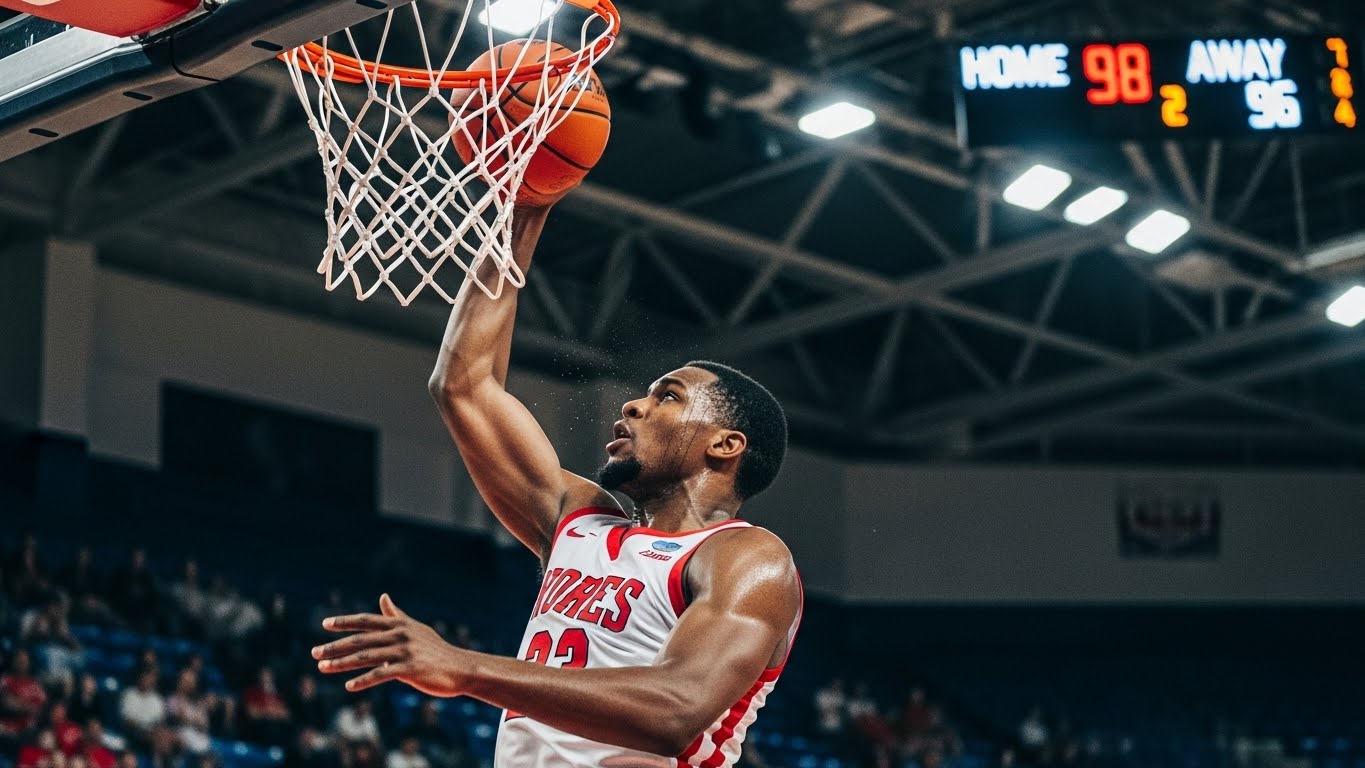
The rise of global sports leagues such as the NBA, Premier League, and Formula 1 has turned athletes into international superstars. The NBA, for example, has seen a surge of international players, and it’s not uncommon for fans in China, Africa, or Europe to be as passionate about the league as Americans. Similarly, football (soccer) has a massive global following, with the UEFA Champions League and World Cup drawing millions of viewers worldwide.
The global reach of sports also creates cross-cultural exchanges. Athletes from different countries compete against each other, learn from different traditions, and share experiences that foster mutual respect. Sports create an environment for global unity, where people from different cultures can come together and celebrate their shared love for competition.
Conclusion: The Timeless Power of Sports
Sports, in all their forms, are much more than games. They are avenues for personal growth, catalysts for social change, and drivers of global economies. They have the ability to unite people, create lasting memories, and provide a sense of purpose. In a world that can often feel divided, sports serve as a reminder that we are all connected by a common love for competition and achievement.
Whether you’re an athlete, a fan, or simply someone who enjoys the occasional game, the world of sports offers something for everyone. The lessons learned, the bonds formed, and the joy experienced through sports are priceless. They remind us that at the heart of every game, there is a shared humanity—a universal language that transcends boundaries and connects us all.