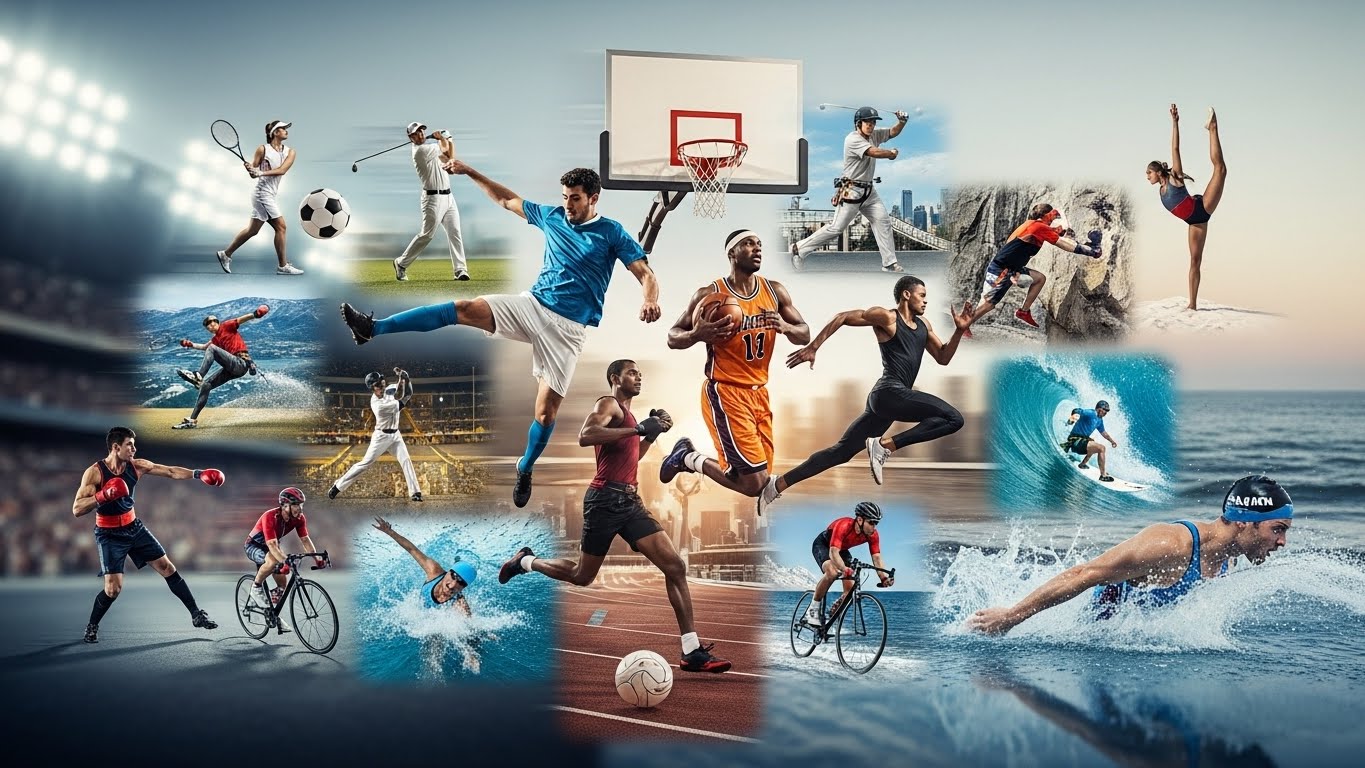

Sports are more than just games played on fields, courts, or tracks. They are a reflection of human resilience, determination, and teamwork. From the roar of the crowd in a stadium to the quiet satisfaction of a personal best, sports touch every aspect of life. In this blog, we will explore how sports impact physical health, mental well-being, social connections, and even cultural identity.
The Physical Power of Sports
Engaging in sports is one of the most effective ways to maintain and improve physical health. Activities like football, basketball, swimming, and running strengthen the heart, build muscle, improve flexibility, and enhance endurance. Regular participation in sports reduces the risk of chronic illnesses such as obesity, diabetes, and cardiovascular disease.
Sports also teach discipline in maintaining a healthy lifestyle. Athletes learn the importance of nutrition, rest, and exercise consistency. Even casual sports enthusiasts benefit from increased energy levels, better posture, and improved coordination. Beyond the individual, active communities also experience lower healthcare costs and higher overall wellness.
Mental Health and Emotional Resilience
While the physical benefits of sports are widely recognized, the mental and emotional advantages are equally significant. Sports help reduce stress, anxiety, and depression by releasing endorphins, the body’s natural mood boosters. Participating in sports provides an outlet for emotions, enabling individuals to channel energy constructively.
Moreover, sports build resilience. Facing challenges such as tough opponents or demanding training routines teaches individuals to handle setbacks and keep pushing forward. The mental toughness developed in sports often translates into everyday life, helping people tackle personal and professional obstacles with confidence.
Teamwork: Lessons Beyond the Field
One of the most valuable lessons sports teach is the power of teamwork. In team sports like soccer, volleyball, or rugby, success depends on effective collaboration, communication, and trust among team members. Players learn to appreciate each other’s strengths, compensate for weaknesses, and work toward a shared goal.
Even in individual sports like tennis or athletics, athletes often rely on coaches, trainers, and support teams. These interactions foster a sense of community and emphasize the importance of collaboration in achieving success. The ability to work harmoniously with others is a skill that transcends sports and becomes vital in both personal and professional spheres.
Building Character and Discipline
Sports are a proving ground for character development. Athletes face challenges that test patience, perseverance, and ethical values. Learning to win gracefully and accept defeat humbly cultivates humility and respect.
Discipline is another critical aspect of sports. Maintaining regular practice schedules, following strategic game plans, and adhering to rules instill a sense of responsibility. These qualities often shape individuals into determined, reliable, and principled members of society. Many of today’s leaders credit sports with instilling a foundation of discipline and integrity.
Social Bonds and Community Engagement
Sports also play a pivotal role in creating social bonds. Whether through local leagues, school competitions, or neighborhood pick-up games, sports bring people together. Fans and players alike share a sense of belonging and camaraderie.
Communities united by sports often witness reduced social isolation and increased mutual support. Sporting events, from small local matches to major tournaments, foster shared experiences and collective pride. This social cohesion is especially important in multicultural societies, where sports can serve as a bridge between diverse backgrounds.
Sports as a Cultural Phenomenon
Sports are more than activities—they are cultural phenomena that shape national identity and global perception. Iconic athletes become symbols of aspiration, determination, and unity. Events like the Olympics or World Cups transcend geographical boundaries and bring together people from all walks of life.
In many countries, traditional sports carry historical significance. They preserve cultural heritage while adapting to modern times. The rituals, uniforms, and celebrations associated with sports create a unique cultural tapestry, offering insight into a society’s values and traditions.
Technology and Sports Evolution
Modern technology has transformed the way sports are played, watched, and analyzed. High-definition broadcasting, wearable fitness trackers, and virtual reality training tools have enhanced performance and fan engagement. Data analytics allows coaches to develop precise strategies, while athletes monitor progress with unprecedented accuracy.
Despite these technological advancements, the essence of sports remains unchanged: the pursuit of excellence, the thrill of competition, and the joy of participation. Technology serves as a tool, but passion and dedication continue to drive success.
Women in Sports: Breaking Barriers
The role of women in sports has evolved remarkably over the past century. Female athletes have shattered stereotypes and demonstrated that excellence knows no gender. Women’s participation in sports promotes equality, empowerment, and inspiration for future generations.
Major female sports icons serve as role models, proving that dedication and talent can overcome societal barriers. Increased visibility of women in sports also encourages young girls to pursue athletic careers, promoting inclusivity and challenging outdated norms.
Youth and Sports: Laying the Foundation
Introducing sports to children and teenagers has lifelong benefits. Young athletes develop physical fitness, cognitive skills, and emotional intelligence. They learn time management, goal setting, and perseverance—skills that extend far beyond the playing field.
Youth sports programs also help identify and nurture talent. They provide structured environments for learning, mentorship, and positive competition. By encouraging young people to participate, communities invest in a healthier, more resilient, and socially responsible generation.
Overcoming Adversity Through Sports
Sports have a unique way of teaching people to overcome adversity. Injuries, losses, and setbacks are inevitable, but athletes learn to persevere through challenges. These experiences cultivate resilience, patience, and problem-solving skills.
Many athletes use their platforms to inspire others, sharing personal stories of struggle and triumph. Their journeys remind us that success is not only measured by trophies but also by the ability to rise after every fall.
Sports and Lifelong Learning
The lessons learned from sports extend far into adulthood. Continuous improvement, adaptability, and strategic thinking are values reinforced on the playing field and applicable in personal and professional life. Lifelong engagement in sports promotes health, mental acuity, and social connection.
Even recreational sports like hiking, cycling, or yoga offer opportunities for growth. They encourage goal setting, mindfulness, and reflection, demonstrating that the benefits of sports are not confined to competitive arenas.
Conclusion: More Than Just a Game
Sports are an integral part of human life, shaping physical health, mental well-being, social bonds, and cultural identity. They teach discipline, teamwork, resilience, and humility, offering lessons that extend far beyond the field. Whether through professional competition, community engagement, or personal fitness, sports have the power to transform lives.
In a world increasingly defined by technology and fast-paced lifestyles, sports remain a timeless reminder of our human potential. They connect us to our bodies, our communities, and our values. Above all, sports inspire us to strive, endure, and celebrate the extraordinary capacity within ourselves.
Engaging in sports is not just about winning; it is about growth, connection, and joy. It is about learning to face challenges, embrace teamwork, and push boundaries. In every sprint, every goal, and every victory, sports remind us that life, much like the game, is about passion, perseverance, and the thrill of playing to the fullest.