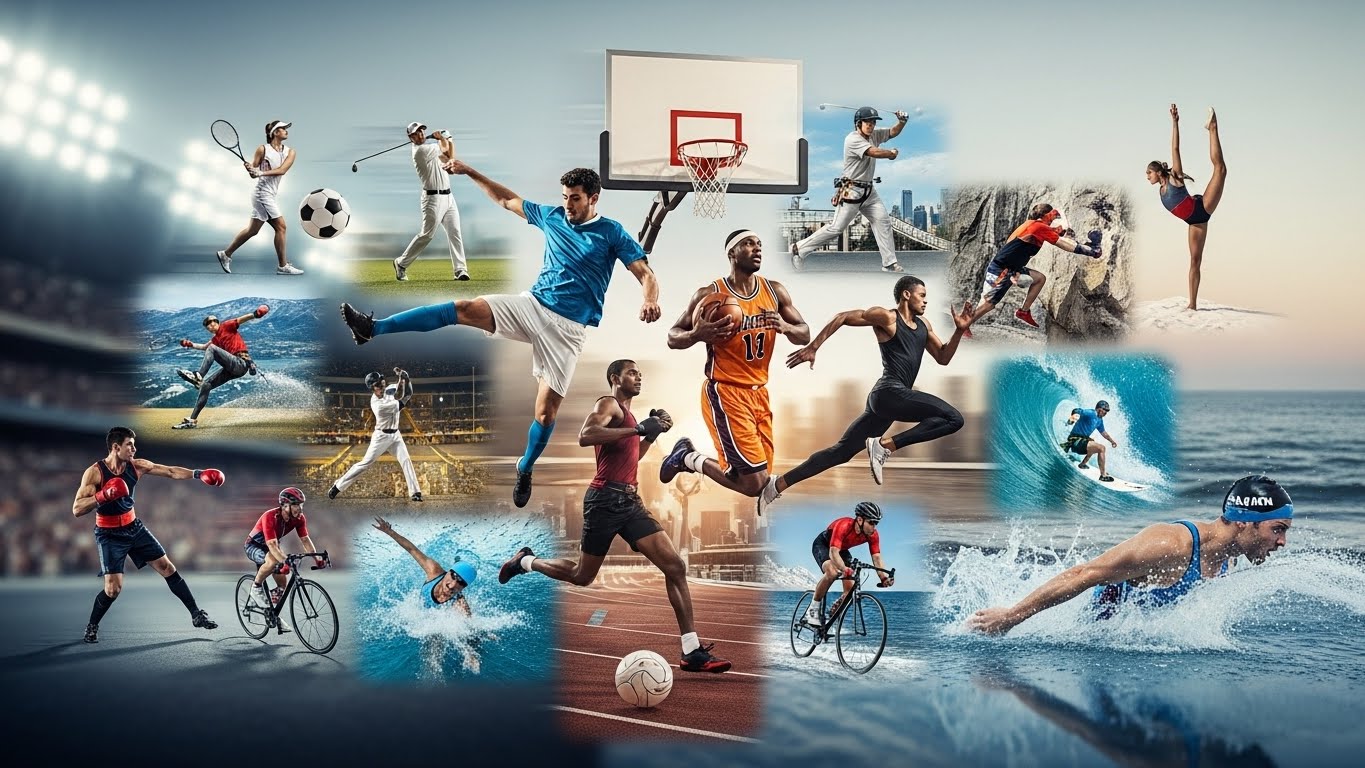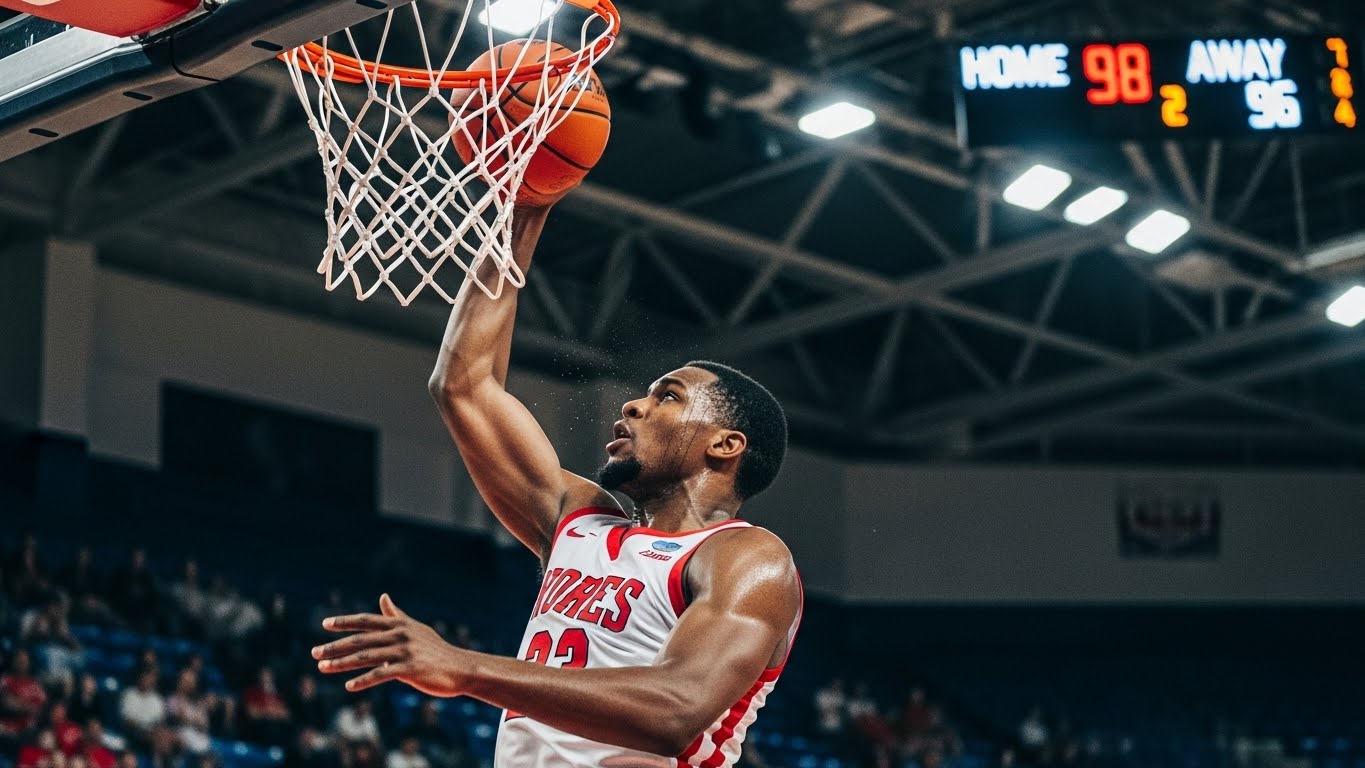
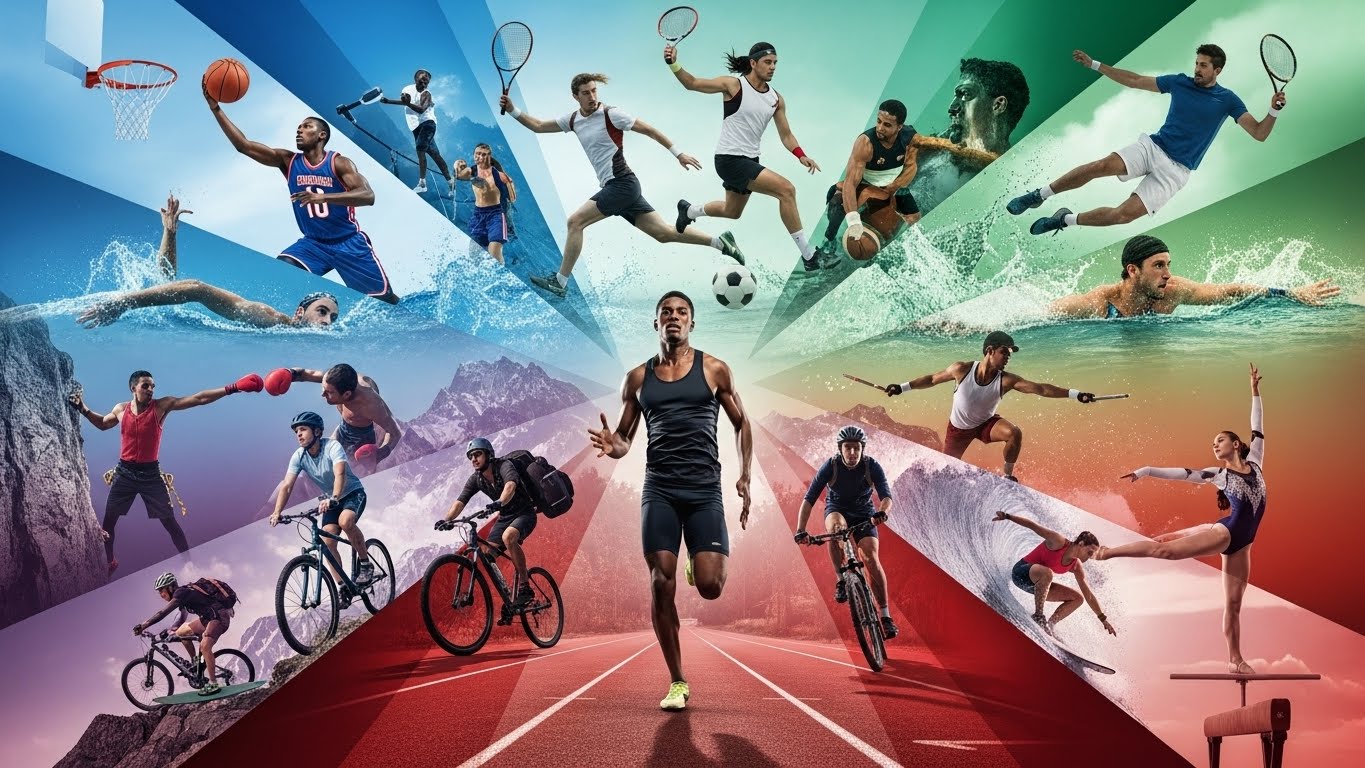
Sports have been a defining element of human culture since ancient times, offering a universal language of competition, teamwork, and passion. Whether played on grassy fields, inside vast stadiums, or on makeshift courts in small neighborhoods, sports connect people in ways few other activities can. They entertain, inspire, challenge, and unite individuals across every generation. Over time, sports have evolved from simple recreational activities into a global industry influencing health, education, economy, culture, and media. This blog explores the impact of sports on society, the psychology behind athletic performance, the rise of professional leagues, technological advancements, and the future of global sporting culture.
The Evolution of Sports Through History
The history of sports stretches back thousands of years. Ancient civilizations used sports as a form of celebration, training, and even spiritual practice. From the early Olympic Games in Greece to traditional games across Asia, Africa, and the Americas, sports have always been a reflection of cultural identity. In the modern era, organized sports began taking shape with the development of rules, clubs, and international competitions. The twentieth century saw the birth of global events and professional leagues, transforming sports into a major entertainment industry. Today, sports are broadcast to millions, creating global fanbases and cultural icons who inspire new generations of athletes.
Sports as a Cultural Force
Sports have a profound influence on culture. They shape traditions, create shared memories, and build a sense of community. Iconic moments in sports often become defining cultural events that transcend borders and languages. From historic championship wins to inspirational athlete stories, sports help shape national pride and global identity. Sporting events bring people together, regardless of age, gender, or nationality, reinforcing the idea that competition and unity can coexist. In many countries, sports are intertwined with schools, families, and communities, becoming part of everyday life and cultural heritage.
The Psychological Power of Sports
Sports hold immense psychological benefits, influencing both players and spectators. For athletes, sports teach essential life skills such as discipline, focus, resilience, and teamwork. Overcoming challenges, learning from losses, and striving for improvement shape mental strength and personal growth. For spectators, sports provide emotional release, excitement, and inspiration. Supporting a team or athlete creates a sense of belonging, while engaging in physical activity promotes mental well-being. The psychological impact of sports extends into motivation, self-confidence, and the pursuit of goals in all areas of life.
The Rise of Professional Sports
Professional sports have become a global powerhouse, creating careers, industries, and entertainment empires. Athletes today train with scientific precision, access advanced technology, and compete at levels never seen before. Major leagues in football, basketball, cricket, rugby, and other sports attract billions of viewers and generate enormous economic activity through broadcasting, merchandise, endorsements, and tourism. Professional athletes are not only competitors but also public figures, influencers, and role models who impact fashion, music, and lifestyle trends. The rise of professional sports highlights the evolution of competition from local fields to world stages.
Sports and Global Unity
Few things bring the world together like sports. International events create inspiring moments where nations celebrate excellence, competition, and unity. These events showcase cultural diversity, sportsmanship, and mutual respect among athletes and fans from across the globe. Sports diplomacy has even played a role in fostering peace and communication between countries. Through shared enthusiasm, sports transcend political and cultural barriers, highlighting the shared humanity of competition and cooperation.
Sports and Education
Sports play a crucial role in education, shaping students’ physical, social, and emotional development. Schools and universities incorporate sports not only to promote physical fitness but also to encourage teamwork, leadership, and discipline. Student-athletes learn to balance academics and athletics, preparing them for future challenges. Educational sports programs also foster social inclusion, providing opportunities for students from diverse backgrounds to connect and collaborate. Scholarships and collegiate competitions create pathways for talented athletes to pursue professional careers or continue their education.
Technology Transforming Sports
Technology has dramatically changed the way sports are played, watched, and understood. Advanced tools such as wearable trackers, performance analytics, virtual training systems, and real-time data insights have revolutionized athletic preparation. These innovations help athletes improve speed, strength, precision, and endurance. In officiating, technology assists referees with instant replays and accurate decision-making, ensuring fair competition. Fans also experience sports differently thanks to high-definition broadcasts, interactive viewing, and digital fan engagement. As technology continues to evolve, sports will become more immersive, precise, and accessible to audiences worldwide.
Women in Sports: Breaking Barriers
Women in sports have made remarkable strides, breaking traditional barriers and challenging outdated stereotypes. Female athletes today compete at the highest levels, inspiring millions and reshaping perceptions about gender and athleticism. The inclusion of women in professional leagues, global competitions, and media representation has amplified visibility and support for women’s sports. Grassroots initiatives encourage young girls to pursue athletics, fostering confidence, empowerment, and ambition. The progress of women in sports continues to build momentum, setting new standards for equality and representation.
The Role of Coaches and Mentors
Behind every successful athlete is a coach who guides, motivates, and shapes their journey. Coaches play an essential role in developing not only physical skills but also mental strength, discipline, and sportsmanship. Their mentorship influences athletes’ personal growth, confidence, and long-term success. Coaches foster teamwork, resolve conflicts, and inspire dedication, making them key figures in sports development. Whether working with beginners or elite professionals, coaches create environments where athletes can thrive and achieve their full potential.
Sports and Health: A Powerful Combination
Sports promote physical health by improving cardiovascular fitness, strength, flexibility, and overall well-being. Regular participation reduces the risk of chronic illnesses, enhances immune function, and boosts energy levels. Mental health also benefits from sports, as physical activity releases endorphins, reduces stress, and improves focus. Team sports foster social connections and support networks that contribute to emotional stability. For people of all ages, sports offer an enjoyable way to maintain a healthy lifestyle, making them essential for long-term wellness.
The Business of Sports
Sports have become a major economic force. Industries connected to sports include advertising, broadcasting, fashion, tourism, technology, and manufacturing. Major sporting events generate significant revenue for host cities through tourism, infrastructure development, and global exposure. Brands use sports marketing to reach diverse audiences, partnering with athletes and teams to promote their products. The business of sports also extends to merchandise, memorabilia, and digital content, creating countless opportunities for entrepreneurship and innovation.
Challenges Facing the Sports Industry
While sports continue to grow, the industry faces several challenges. Issues such as athlete burnout, doping, unequal access, and financial pressures can impact integrity and well-being. Youth athletes may face intense pressure, while amateur programs struggle with funding. In professional sports, the commercialization of competition sometimes raises concerns about fairness and ethics. Addressing these challenges requires collaboration among organizations, athletes, coaches, and communities to promote inclusivity, transparency, safety, and respect.
The Future of Sports
The future of sports promises to be more innovative, inclusive, and globally connected. Advances in technology will create enhanced training methods, immersive viewing experiences, and improved athlete performance. Growth in women’s sports, adaptive sports, and community programs will create more opportunities for diverse participants. Global digital platforms will continue expanding fan engagement, allowing audiences to connect more deeply with athletes and teams. As sports evolve, they will remain a powerful source of entertainment, inspiration, and unity.
Conclusion
Sports are far more than games; they are a reflection of human spirit, ambition, and unity. They shape culture, build character, and inspire millions to pursue excellence. From community fields to global arenas, sports create experiences that bring joy, excitement, and connection. Their impact on society, education, health, and culture is undeniable, and their future is full of limitless potential. As long as people continue to strive, compete, and dream, sports will remain a vibrant and essential part of human life.