Introduction: Sports as a Universal Language
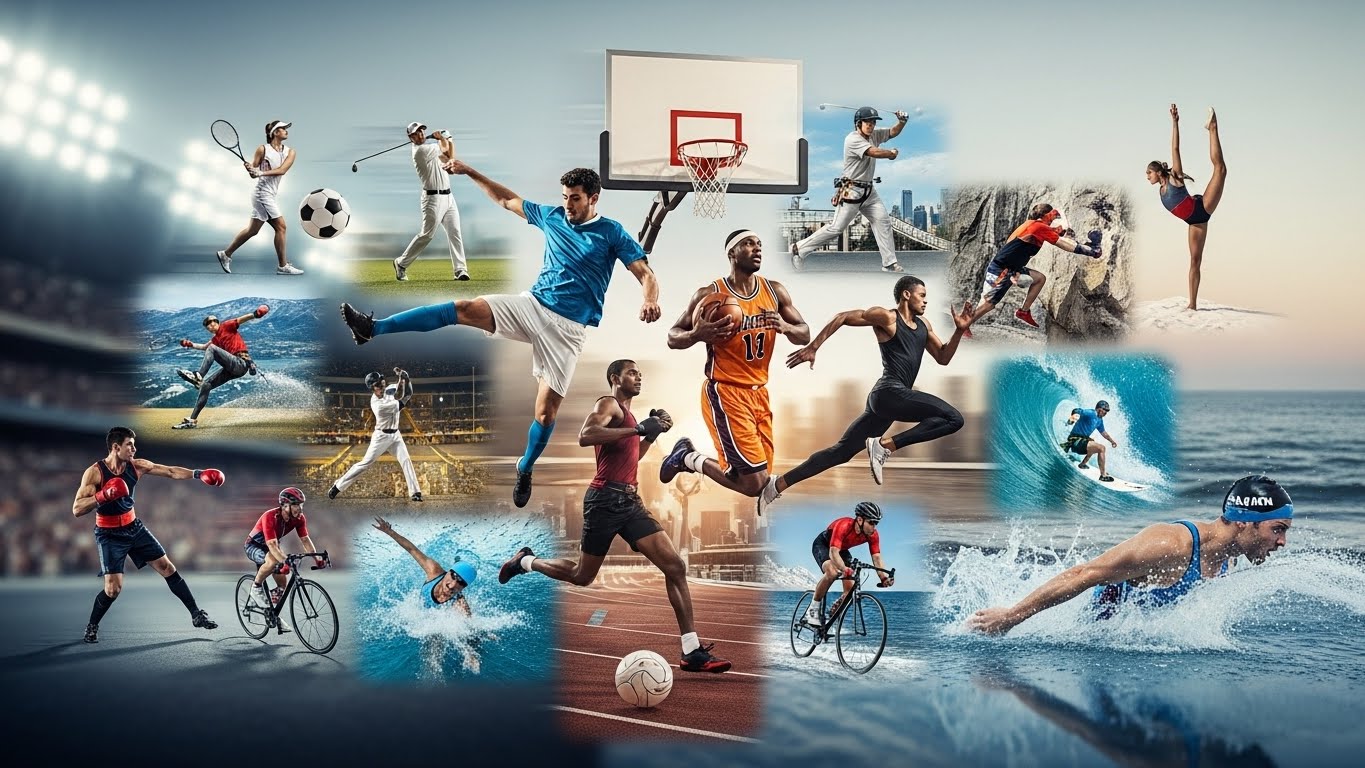
Sports have always been more than just games. Across centuries and cultures, sports have brought people together, tested human limits, and inspired collective pride. From the ancient Olympic Games in Greece to modern global competitions, sports have evolved alongside society. They reflect cultural values, technological advancements, and the human desire to achieve excellence. Today, sports are no longer just physical contests; they are spectacles, industries, and platforms for social change. This blog explores how sports have transformed over time, the modern trends shaping them, and what the future may hold for athletes and fans alike.
The Origins of Competitive Sports
The history of sports dates back thousands of years. Ancient civilizations developed games and contests that combined physical skill, strategy, and entertainment. In ancient Greece, the Olympics celebrated athletic prowess and honored the gods. Events such as running, wrestling, and discus throwing were not just competitions but expressions of discipline and excellence. Similarly, ancient China, Egypt, and Mesoamerica had their own forms of athletic competitions, often intertwined with religious and cultural practices.
These early sports were more than recreation—they were a means to train warriors, strengthen communities, and demonstrate human skill. Over time, these activities evolved into organized competitions with codified rules, laying the foundation for modern sports.
The Professionalization of Sports
While sports began as communal or ritualistic events, the modern era saw their professionalization. The 19th and 20th centuries marked the rise of organized leagues, standard rules, and international competitions. Football, cricket, basketball, and baseball emerged as professional sports with structured tournaments and leagues. Athletes began to train full-time, supported by coaches, sponsors, and dedicated facilities.
Professional sports transformed athletic endeavors from casual pastimes to careers. Players could now earn recognition and income, and fans developed deep loyalties to teams and athletes. The professionalization of sports also created industries around merchandising, broadcasting, and event management, turning competitions into global spectacles.
Technological Advancements in Sports
Technology has played a pivotal role in shaping modern sports. Innovations in equipment, training methods, and analytics have changed how athletes perform and how fans experience games. High-tech materials have made gear lighter, safer, and more efficient, whether in running shoes, tennis rackets, or football helmets.
Data analytics and wearable devices now monitor every aspect of performance. Heart rate, speed, stamina, and biomechanics are tracked to optimize training and prevent injuries. Video analysis allows coaches to refine strategies and correct mistakes in real time. Even the fan experience has transformed with high-definition broadcasts, instant replays, and virtual reality simulations that bring audiences closer to the action.
Sports as a Platform for Social Change
Sports have always reflected broader societal trends, and they often serve as powerful platforms for social change. Athletes have used their visibility to advocate for equality, justice, and awareness. From historic moments like Jesse Owens’ triumph in the 1936 Olympics to modern campaigns against discrimination, sports can influence public discourse and inspire movements.
Events like the FIFA World Cup and the Olympics bring together nations, fostering unity and understanding. Moreover, initiatives promoting youth participation, gender equality, and accessibility highlight the role of sports in building inclusive communities. Beyond competition, sports inspire values of teamwork, perseverance, and fair play that resonate far beyond the playing field.
The Mental Game: Psychology in Sports
Physical ability is only part of what makes a great athlete. Mental strength, focus, and resilience are equally critical. Sports psychology has emerged as a field dedicated to understanding and enhancing mental performance. Techniques such as visualization, mindfulness, and goal-setting help athletes manage stress, recover from setbacks, and maintain peak performance under pressure.
Even fans are influenced by psychological aspects. Team loyalty, rivalry, and the thrill of competition evoke strong emotions, illustrating that sports impact both body and mind. Modern training programs integrate mental conditioning alongside physical preparation, recognizing that success in sports is as much about mindset as skill.
The Globalization of Sports
Sports have transcended national borders, becoming a global phenomenon. Competitions now attract international athletes and audiences, creating shared cultural experiences. Events like the Olympics, FIFA World Cup, and international cricket tournaments unite fans worldwide, celebrating diversity and sportsmanship.
Globalization has also brought challenges, including balancing commercial interests with the integrity of competition. Broadcasting rights, sponsorship deals, and merchandising revenue have created a complex ecosystem around sports. Despite this, the shared excitement of competition continues to connect people across cultures, highlighting sports as a universal language.
Women in Sports: Breaking Barriers
The participation of women in sports has grown exponentially over the last century. Historically, women faced limited opportunities and societal restrictions, but progress has been significant. Female athletes now compete in almost every sport at elite levels, inspiring new generations to pursue athletics.
Major milestones, such as the rise of professional leagues, international competitions, and increased media coverage, have elevated the visibility of women in sports. Initiatives promoting equality in pay, representation, and access continue to challenge traditional norms, demonstrating that sports can be a powerful vehicle for empowerment and social change.
The Rise of Esports
While traditional sports dominate physical arenas, esports have emerged as a major competitive field. Video gaming competitions now attract millions of players and spectators globally. Esports require strategy, coordination, and split-second decision-making, offering a different but equally intense form of competition.
Professional esports teams, tournaments, and sponsorships rival traditional sports industries. Fans follow players and teams with the same passion seen in football or basketball communities. Esports also highlight the evolving definition of athleticism, emphasizing cognitive skills, reaction time, and digital dexterity as vital components of competition.
Sports and Health: Beyond Competition
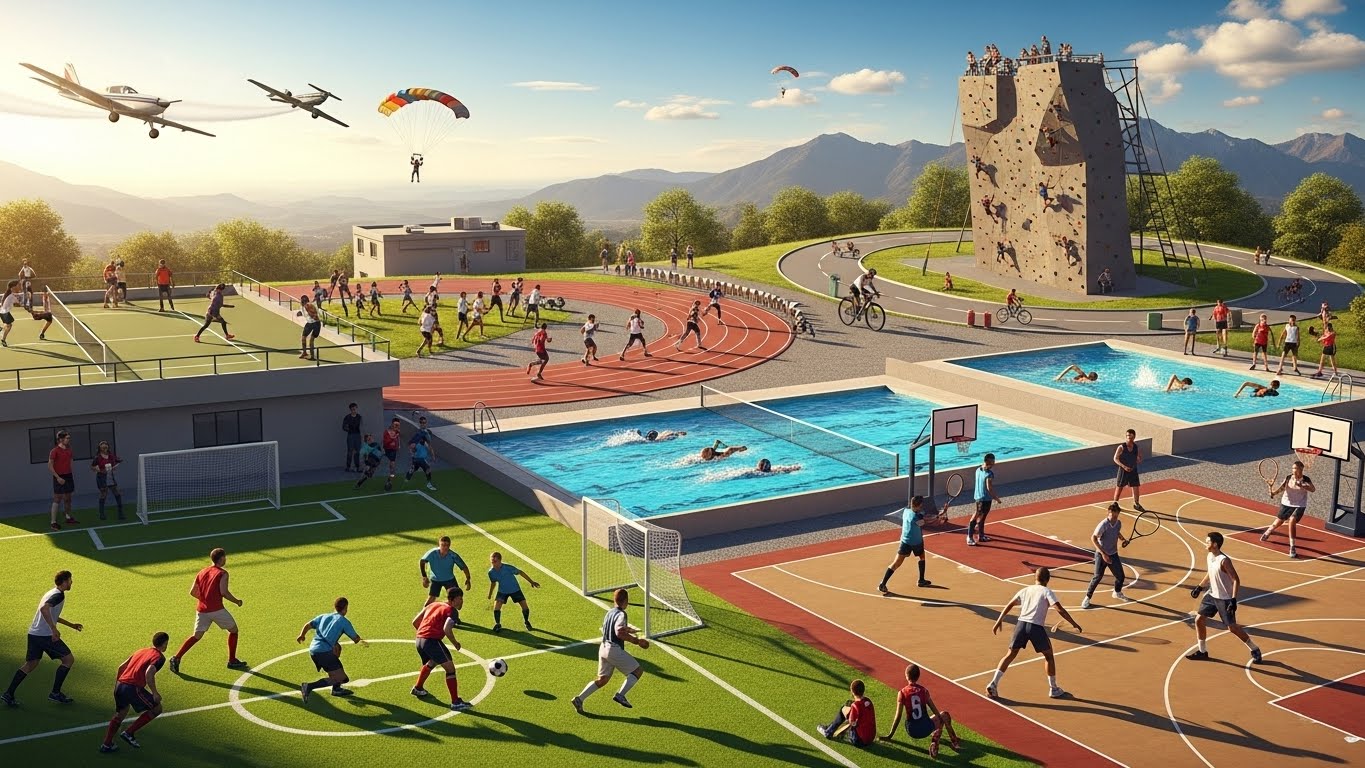
Participation in sports extends far beyond professional arenas. Recreational sports provide physical exercise, reduce stress, and promote mental well-being. Communities often rally around local leagues, youth programs, and outdoor activities, creating spaces for social interaction and healthy lifestyles.
Public health campaigns increasingly encourage sports participation as a preventive measure against obesity, heart disease, and mental health issues. Schools and universities integrate sports into curricula, recognizing their role in developing discipline, leadership, and teamwork. In this sense, sports serve as both a personal and societal investment in health.
Future Trends in Sports
The future of sports promises exciting innovations and transformations. Technology will continue to enhance training, strategy, and fan engagement. Virtual reality could allow fans to experience games as if they were on the field. Artificial intelligence may revolutionize performance analysis and injury prevention. Sustainability will become a focus, with eco-friendly stadiums, transportation, and event management reducing environmental impact.
Cultural shifts will also shape sports, from increasing inclusivity and diversity to integrating new forms of competition like esports. Athletes will likely become more than performers—they will be influencers, advocates, and role models in broader social and cultural contexts. The sports landscape of the future will combine tradition, technology, and global connectivity in unprecedented ways.
Conclusion: Sports as a Reflection of Humanity
Sports are more than contests of strength, speed, and skill. They reflect cultural values, inspire societal progress, and create shared human experiences. From ancient games to modern arenas, sports have evolved alongside human civilization, shaping how we connect, compete, and celebrate achievement.
In the modern world, sports combine physical prowess, mental fortitude, technological innovation, and social influence. They entertain, educate, and empower, reminding us that competition is not just about victory—it is about pushing limits, building communities, and expressing the best of human potential. As sports continue to evolve, they will remain a timeless thread in the story of humanity, uniting people across borders, generations, and cultures.