
Introduction: The Universal Language of Sports
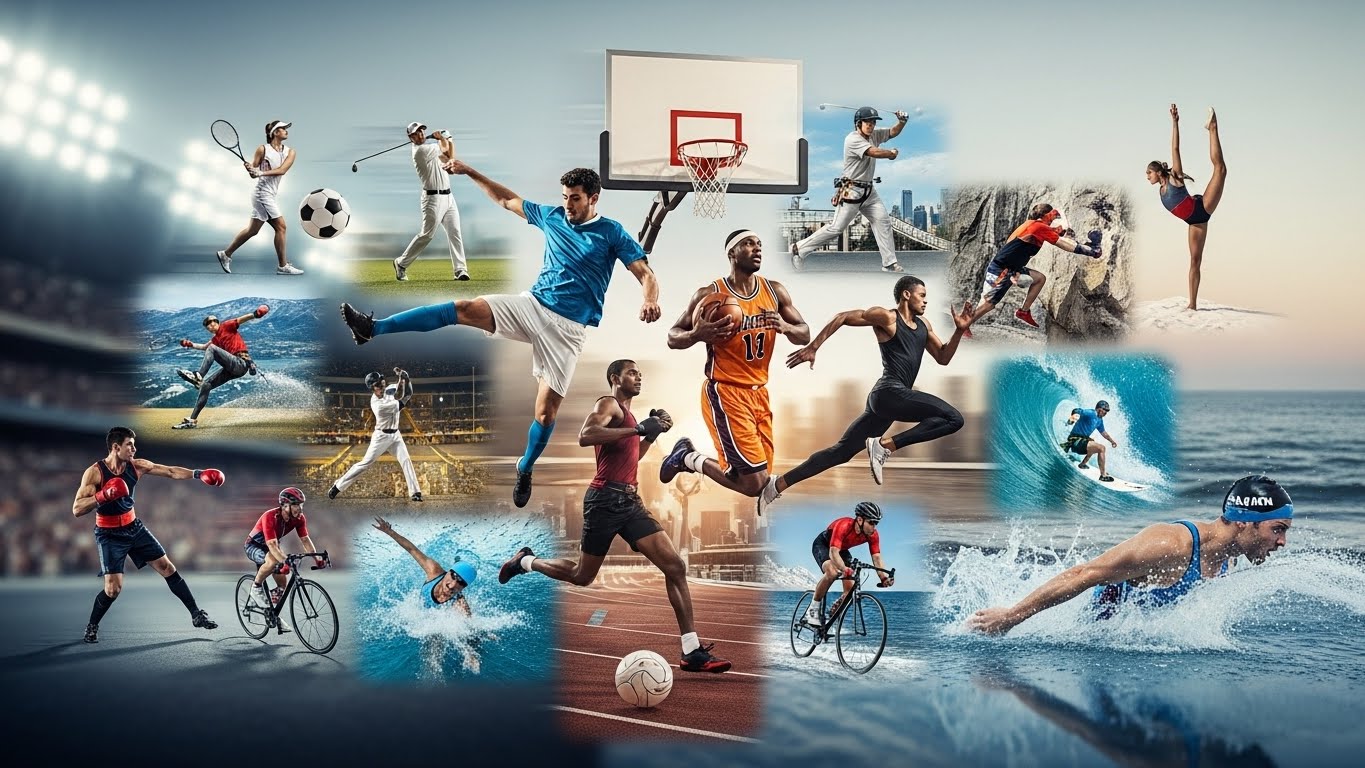
Sports are more than just games or competitions; they are a universal language that transcends borders, cultures, and generations. From the adrenaline-filled football stadiums to the quiet focus of a chess tournament, sports capture human passion, determination, and creativity. They challenge the mind, test the body, and ignite emotions in ways few other activities can. For centuries, sports have played a central role in society, fostering unity, teaching discipline, and inspiring individuals to strive for excellence. In this blog, we explore how sports influence personal growth, social cohesion, and global culture, demonstrating that the impact of sports goes far beyond the scoreboard.
The Physical Benefits of Sports
At its core, sports promote physical health and fitness. Regular participation strengthens muscles, enhances flexibility, improves cardiovascular health, and helps maintain a healthy body weight. Activities like running, swimming, basketball, and football engage multiple muscle groups while boosting stamina and endurance.
Beyond physical fitness, sports instill habits that encourage a healthy lifestyle. Athletes develop routines for practice, nutrition, and rest, which often carry over into other areas of life. Even recreational participation, such as weekend soccer matches or morning jogs, contributes to overall physical well-being. In a world increasingly dominated by sedentary lifestyles, sports provide a crucial outlet for maintaining health and vitality.
Mental Benefits: Sharpening the Mind
Sports are not just about physical prowess; they are exercises for the mind as well. Playing sports enhances concentration, strategic thinking, and problem-solving skills. Athletes must make quick decisions under pressure, anticipate opponents’ moves, and adapt strategies in real time. This mental agility carries over into daily life, improving cognitive abilities and decision-making skills.
Additionally, sports provide a natural stress relief. Physical exertion releases endorphins, which boost mood and alleviate anxiety. For many individuals, participating in sports becomes a form of therapy, offering an escape from the pressures of work, school, or personal challenges. The combination of mental and physical benefits makes sports a holistic practice that nurtures both body and mind.
Discipline and Perseverance: Life Lessons from Sports
Success in sports is rarely achieved overnight. Athletes dedicate countless hours to training, practice, and refining their skills. This process teaches discipline, perseverance, and resilience. Learning to cope with losses, injuries, and setbacks builds character and reinforces the importance of determination.
These lessons are transferable to everyday life. Just as athletes set goals and work diligently to achieve them, individuals can apply the same principles in academics, careers, and personal endeavors. Sports provide a practical framework for understanding that effort, persistence, and patience are essential ingredients for success.
Teamwork and Social Skills
One of the most valuable lessons sports teach is teamwork. Participating in team sports requires communication, collaboration, and trust. Players learn to support one another, share responsibilities, and celebrate collective achievements. These experiences cultivate leadership skills, empathy, and conflict resolution abilities.
Even individual sports offer social benefits. Tennis, swimming, and athletics encourage interaction with coaches, peers, and competitors, fostering respect, camaraderie, and healthy competition. Through these interactions, athletes develop interpersonal skills that strengthen relationships both on and off the field.
Youth Development Through Sports
Sports play a vital role in the development of young people. Participation in sports teaches children discipline, time management, and goal-setting. It encourages self-confidence as they achieve milestones and overcome challenges. Team sports, in particular, instill collaboration, problem-solving, and communication skills from an early age.
Moreover, sports provide a constructive outlet for energy and creativity. Children engaged in sports are more likely to stay focused, develop healthy habits, and avoid negative influences. Schools and community programs that promote sports participation help nurture well-rounded individuals, laying the foundation for personal and professional success later in life.
Women in Sports: Breaking Barriers
The landscape of sports has evolved significantly for women. Female athletes have shattered long-standing stereotypes and demonstrated that talent and dedication transcend gender. Women’s participation in sports not only promotes equality but also inspires future generations to pursue their dreams without limitations.
Achievements by women in athletics, football, basketball, and tennis have elevated their visibility, proving that women’s sports can captivate audiences and drive cultural change. Female athletes often become role models, emphasizing perseverance, resilience, and ambition. Their success highlights the transformative power of sports in challenging societal norms and promoting inclusivity.
The Global Impact of Professional Sports
Professional sports have become a global phenomenon, uniting fans across countries and cultures. Major leagues, tournaments, and international competitions generate excitement, loyalty, and a sense of belonging among spectators. Football, cricket, basketball, and athletics, among other sports, draw millions of fans who share in the emotional highs and lows of competition.
The appeal of professional sports extends beyond performance. Spectacular moments, dramatic rivalries, and compelling personal stories captivate audiences, creating a cultural spectacle. Athletes become icons, inspiring young fans to dream big and work hard. Professional sports also fuel economic activity, creating jobs, tourism opportunities, and entertainment industries that impact communities worldwide.
Technology and Innovation in Sports
Technology has transformed how sports are played, coached, and consumed. Performance tracking devices, video analysis, and data-driven strategies allow athletes and coaches to optimize training and improve results. Virtual simulations and interactive platforms offer new ways for fans to engage with sports, from immersive viewing experiences to fantasy leagues.
Technology also enhances safety and fairness in sports. Instant replays, goal-line technology, and wearable monitors ensure accurate decisions and reduce the risk of injuries. By integrating innovation, sports continue to evolve, offering improved experiences for athletes and fans alike.
Sports as a Force for Social Change
Sports have historically been a powerful platform for social change. Athletes often use their visibility to advocate for equality, justice, and human rights. Their actions and voices influence public opinion and inspire movements that extend beyond the field.
Local sports programs foster inclusivity and community development. They provide opportunities for individuals from diverse backgrounds to participate, promoting understanding, respect, and unity. By bridging social and cultural divides, sports strengthen communities and encourage a sense of shared purpose.
The Cultural Significance of Sports
Sports are deeply embedded in cultural identity. National teams, local leagues, and traditional games symbolize pride, heritage, and community spirit. Sporting events often coincide with cultural celebrations, creating a shared experience that connects generations.
The narratives created through sports—underdog victories, record-breaking performances, and heroic comebacks—become part of collective memory. These stories inspire people, influence art, and shape societal values. Sports are, therefore, not just recreational activities but an integral part of cultural expression.
The Future of Sports
The future of sports promises continued growth, innovation, and inclusivity. Globalization and digital technology expand access to sporting experiences, while emerging fields like esports and virtual competitions redefine participation. Despite technological changes, the essence of sports remains: competition, personal growth, and human connection.
Future sports will continue to inspire individuals, unite communities, and push the limits of human potential. They will offer opportunities for everyone, regardless of age, gender, or location, to engage in activities that challenge, entertain, and empower.
Conclusion: Sports as a Lifelong Influence
Sports are more than games—they are a reflection of human ambition, resilience, and creativity. They challenge the body, sharpen the mind, and foster essential life skills. Sports inspire personal growth, build character, and unite communities across the globe.
Whether played professionally, casually, or recreationally, sports leave a lasting impact. They teach perseverance, teamwork, discipline, and the value of effort. Above all, sports remind us that life, much like a game, requires commitment, passion, and courage.
Through victories, defeats, and every moment in between, sports continue to shape individuals, societies, and cultures. They are a testament to the human spirit, a celebration of achievement, and a unifying force that transcends differences. In the end, sports are not just a pastime—they are a lifelong influence, inspiring generations to dream, strive, and connect.