Introduction: The Universal Impact of Sports
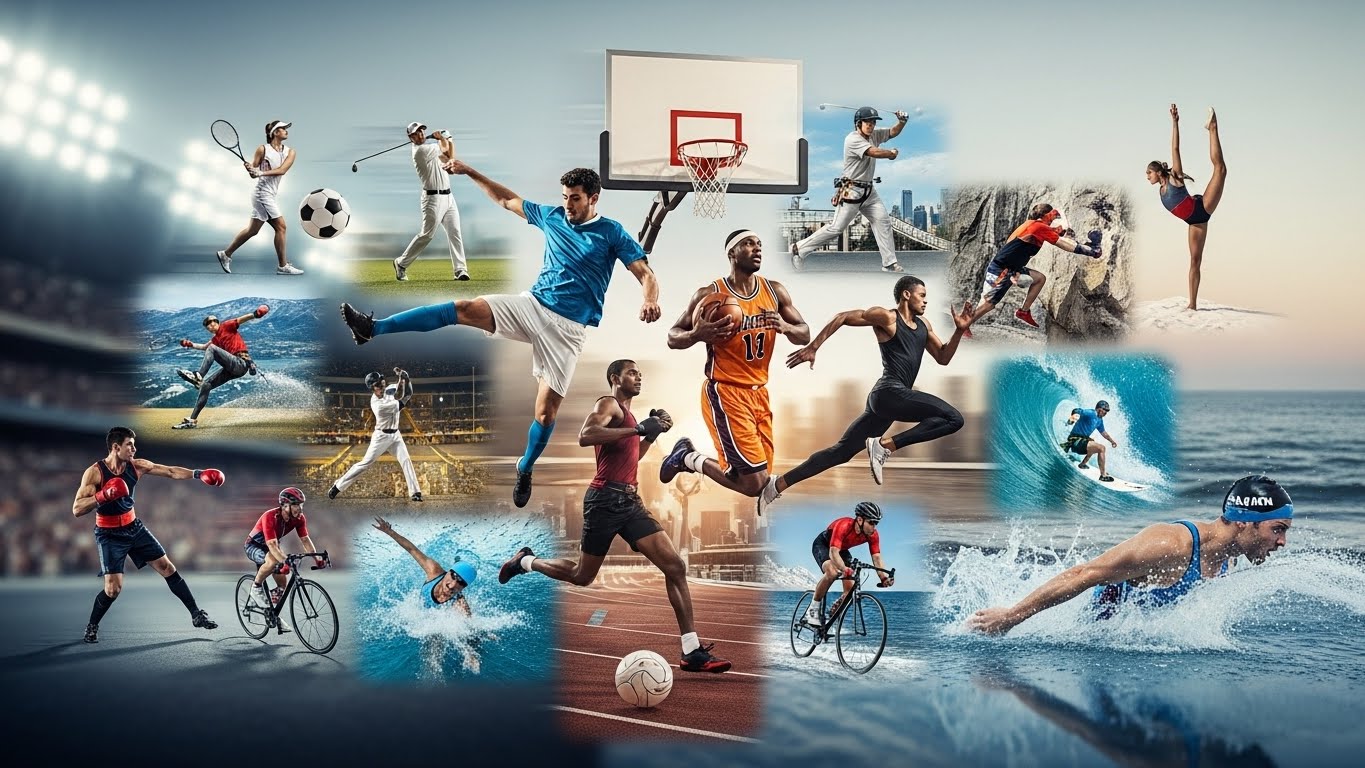
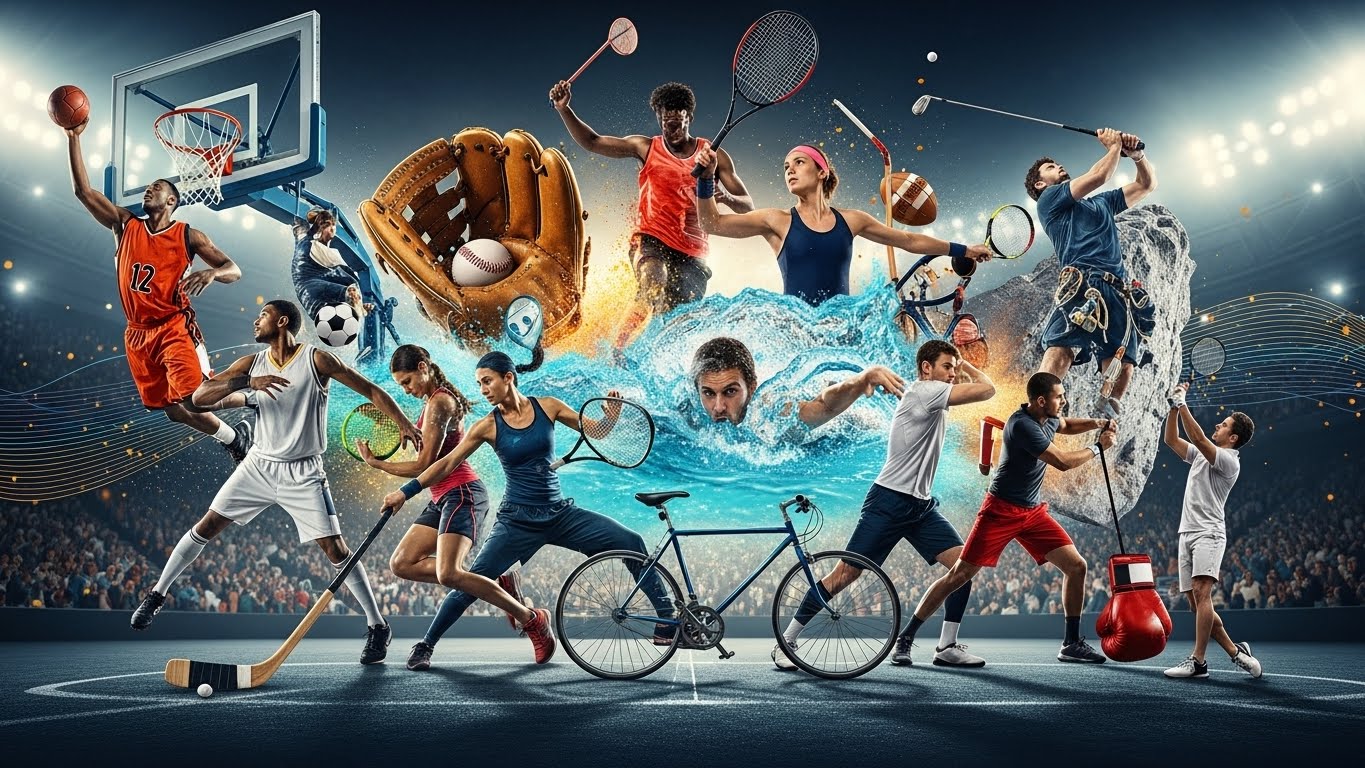
Sports have always held a unique place in human society. From ancient contests in Greece and China to modern-day international tournaments, sports transcend culture, language, and geography. They are more than just games; they are reflections of human ambition, perseverance, and creativity. For billions around the world, sports are a source of entertainment, a means of personal growth, and a platform for social change. They evoke joy, passion, and unity, making them an indispensable part of modern life.
The Evolution of Sports: From Recreation to Global Spectacle
The earliest forms of sports were simple recreational activities. People engaged in running, wrestling, archery, and other physical contests for fitness, skill development, and enjoyment. Over time, these informal activities transformed into structured sports with rules, leagues, and competitions.
The modern era has turned sports into a global phenomenon. Professional leagues, international tournaments, and mass media coverage have elevated athletic competitions into major events that capture worldwide attention. Sports now influence economies, politics, and cultural identity, demonstrating their profound significance beyond mere entertainment.
Physical and Mental Benefits of Playing Sports
Participation in sports provides significant physical benefits. Regular activity improves cardiovascular health, builds strength, and enhances coordination and flexibility. Young people develop essential motor skills, while adults can maintain fitness and prevent health issues.
Mentally, sports foster resilience, concentration, and stress management. Athletes learn to overcome challenges, adapt to unexpected situations, and celebrate achievements while accepting setbacks. The lessons learned on the field often translate into personal and professional growth, making sports an effective tool for holistic development.
Team Sports vs Individual Sports
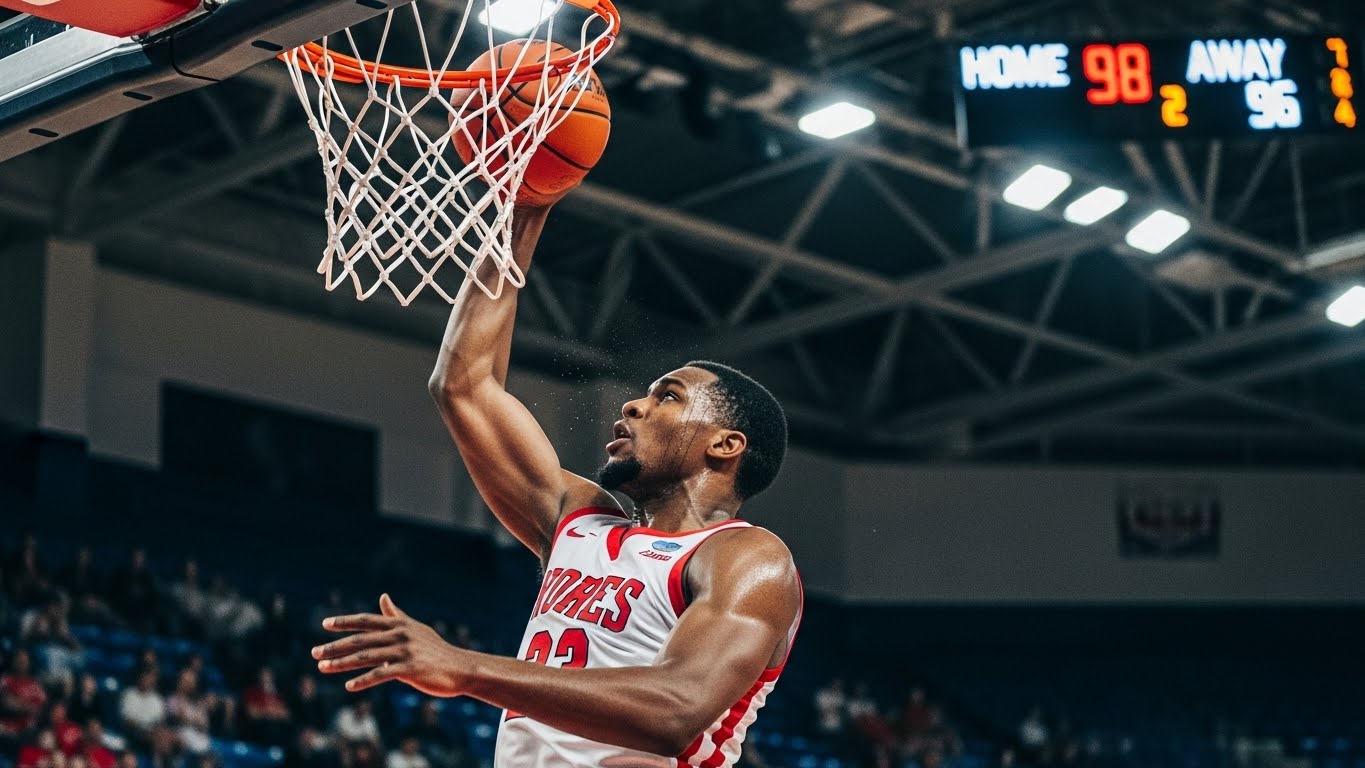
Sports can broadly be divided into team and individual disciplines, each offering unique experiences and lessons. Team sports, such as soccer, basketball, and volleyball, emphasize collaboration, communication, and strategy. Players learn to trust one another, coordinate actions, and work toward common goals, fostering social skills and camaraderie.
Individual sports like tennis, swimming, and gymnastics emphasize self-discipline, personal responsibility, and focus. Success relies heavily on one’s dedication, preparation, and mental strength. Both types of sports teach valuable life skills, from leadership to perseverance, highlighting the diverse ways athletic participation shapes character.
Iconic Moments in Sports History
Sports history is filled with unforgettable moments that transcend the games themselves. Historic victories, record-breaking performances, and extraordinary displays of skill inspire millions. The triumph of underdogs, legendary comebacks, and acts of sportsmanship leave lasting impressions that resonate across generations.
These moments serve as reminders that sports are more than competition—they are storytelling. They capture human emotion, struggle, and achievement in a way that inspires people to dream, strive, and believe in their potential.
Sports as a Platform for Social Change
Athletes and sports organizations have increasingly used their visibility to drive social change. Sporting platforms have addressed issues such as racial equality, gender rights, and environmental sustainability. Actions by athletes, whether through protests, advocacy, or community engagement, have sparked global conversations and influenced public opinion.
Additionally, grassroots sports initiatives provide opportunities for marginalized communities, offering mentorship, education, and safe spaces for youth. Sports thus play a critical role in promoting equality, empowerment, and social cohesion.
Globalization of Sports
Sports have become a universal language, connecting people across borders. International competitions feature players from multiple continents, and fans worldwide follow leagues and tournaments in real time. Technology allows global audiences to engage, discuss, and celebrate athletic achievements collectively.
This interconnectedness has transformed local sports into global spectacles. It encourages cultural exchange, fosters mutual respect, and brings diverse communities together through shared passion and admiration for athletic talent.
The Economic Influence of Sports
The sports industry is a major economic driver, generating revenue through ticket sales, merchandise, broadcasting rights, and sponsorships. Cities hosting major events experience boosts in tourism, infrastructure development, and job creation.
Athletes also play a role in the economy, often influencing fashion, technology, and lifestyle trends. However, the commercial aspect requires a balance between financial interests and the integrity of the sport, ensuring that competition and fair play remain central.
Technology and Innovation in Sports
Technological advancements have transformed both athletic performance and fan experience. Wearable devices monitor health and optimize training, while video replay and goal-line technologies ensure fair play. Data analytics guide strategy, scouting, and in-game decisions.
Fans also benefit from innovation, enjoying augmented reality experiences, interactive broadcasts, and virtual participation in tournaments. Technology continues to enhance accessibility, accuracy, and enjoyment in sports, making the games more engaging and inclusive.
The Emotional Connection Between Fans and Sports
Sports are as much about the fans as they are about the athletes. Spectators invest emotionally in teams, players, and competitions. This bond creates traditions, rituals, and community connections that transcend the games themselves.
Fans celebrate victories, endure losses, and form lasting friendships through shared experiences. The emotional attachment to sports fosters a sense of identity, belonging, and continuity, making it a deeply personal and social phenomenon.
Youth and Grassroots Sports: Building the Next Generation
Developing young talent is crucial for the future of sports. Grassroots programs and youth leagues nurture skills, instill discipline, and foster a love for physical activity. These programs provide opportunities for leadership, teamwork, and personal growth.
Investing in youth sports ensures a pipeline of talented athletes who can inspire future generations. It also promotes lifelong fitness habits, contributing to healthier, more engaged communities.
Cultural Significance of Sports
Sports often reflect and shape cultural identity. National teams, local clubs, and traditional games embody the values, history, and spirit of communities. Major events like the Olympics and World Cup celebrate cultural diversity and foster pride in shared heritage.
Athletes act as cultural ambassadors, representing their countries on a global stage. Sporting achievements can unite nations, promote diplomacy, and strengthen collective identity, emphasizing the deep cultural impact of athletic endeavors.
Challenges in Modern Sports
Despite its many benefits, modern sports face challenges. Issues such as doping, corruption, commercialization, and inequality threaten fairness and accessibility. Balancing competitiveness, entertainment, and ethical standards is essential to maintain the integrity of sports.
Additionally, pressure on athletes to perform can affect mental health. Ensuring adequate support systems, ethical governance, and community involvement is vital for sustainable sports development.
Conclusion: Sports as a Catalyst for Life and Society
Sports are more than a form of recreation; they are a catalyst for personal growth, social change, and global unity. They teach resilience, discipline, and teamwork, inspire awe and admiration, and provide shared experiences that strengthen communities.
As technology evolves and the world becomes more interconnected, sports will continue to expand, offering new opportunities for engagement, innovation, and inspiration. Yet, at its heart, sports remain timeless: a celebration of human spirit, determination, and the joy of striving for excellence.
The impact of sports reaches far beyond the stadiums and fields. It touches lives, shapes culture, and unites people across the globe, proving that the power of sports lies not just in winning, but in the connections, lessons, and inspiration they create.